
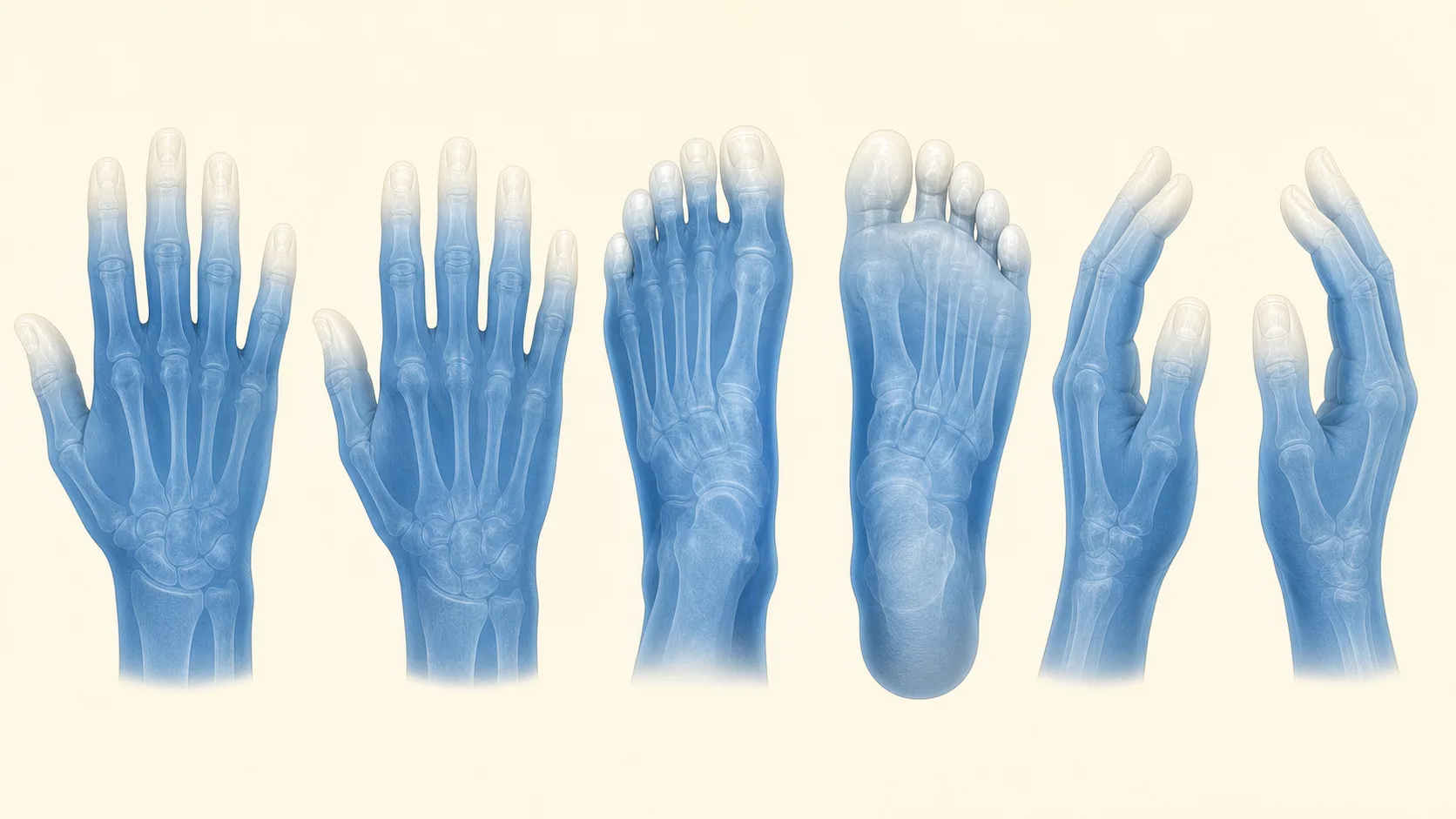
甲狀腺機能低下症 · Hypothyroidism
We provide guidance on the relationship between fatigue, edema, cold sensitivity, and hypothyroidism, the items checked in blood tests, and how we evaluate remaining discomfort during medical evaluation even while undergoing treatment.
What to check first
We identify when the symptoms began, situations that worsen them, and any accompanying discomfort.
What to distinguish together
We narrow down the possibilities by comparing similar-looking conditions with previous test results.
What to look for on this page
We provide guidance on major patterns, differential criteria, and the sequence of confirmation during the medical evaluation.
General tests look at blood thyroid hormone levels (TSH, Free T4). These symptoms may be due to Yang deficiency (Yang-heo), a problem with the metabolic environment itself in how cells utilize hormones, which we evaluate through pattern identification (Byeon-jeung).
Korean medicine diagnosis looks at a different layer than hospital tests: it is not superior, but a different perspective.
Key information at a glance
- Pattern identification is divided into four categories: Spleen-Kidney Yang Deficiency, Qi-Blood Yang Deficiency, Heart-Kidney Yang Deficiency, and Liver Qi Stagnation.
- We differentiate this from chronic fatigue syndrome, menopausal syndrome, depression, renal failure, and Hashimoto's thyroiditis.
- We confirm the feeling of heaviness and bloating through pulse diagnosis, abdominal diagnosis, and patient inquiry.
We look beyond the tests to identify the root cause of your specific case.
Overview
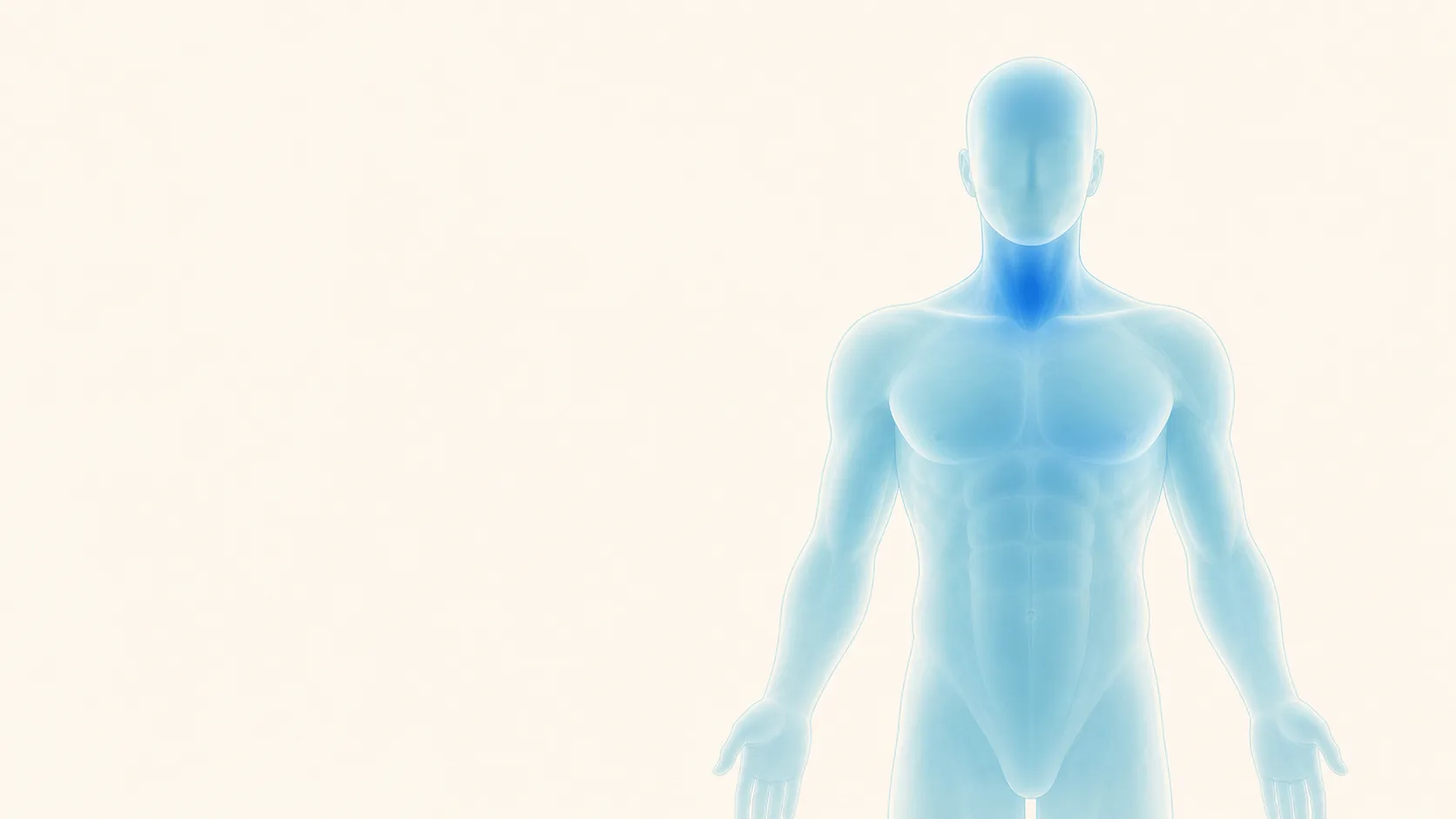
Hypothyroidismis a state where the thyroid does not produce enough hormones, slowing down the overall metabolism of the body. Typical symptoms include chronic fatigue, edema, cold sensitivity, and weight gain, and it may be accompanied by brain fog, irregular menstruation, hair loss, or feelings of depression. It can be compared to a boiler with weakened firepower, causing all functions to run a beat slower.
In Korean medicine, this is called Yang deficiency (Yang-heo)(陽虛) or Heo-ro (exhaustion (虛勞)) category. It is understood as a state where overall bodily functions are stagnant due to a deficiency of Yang energy (陽氣) that warms the body and leads circulation; we approach this not just as a problem in the neck area, but as a problem of overall systemic energy.
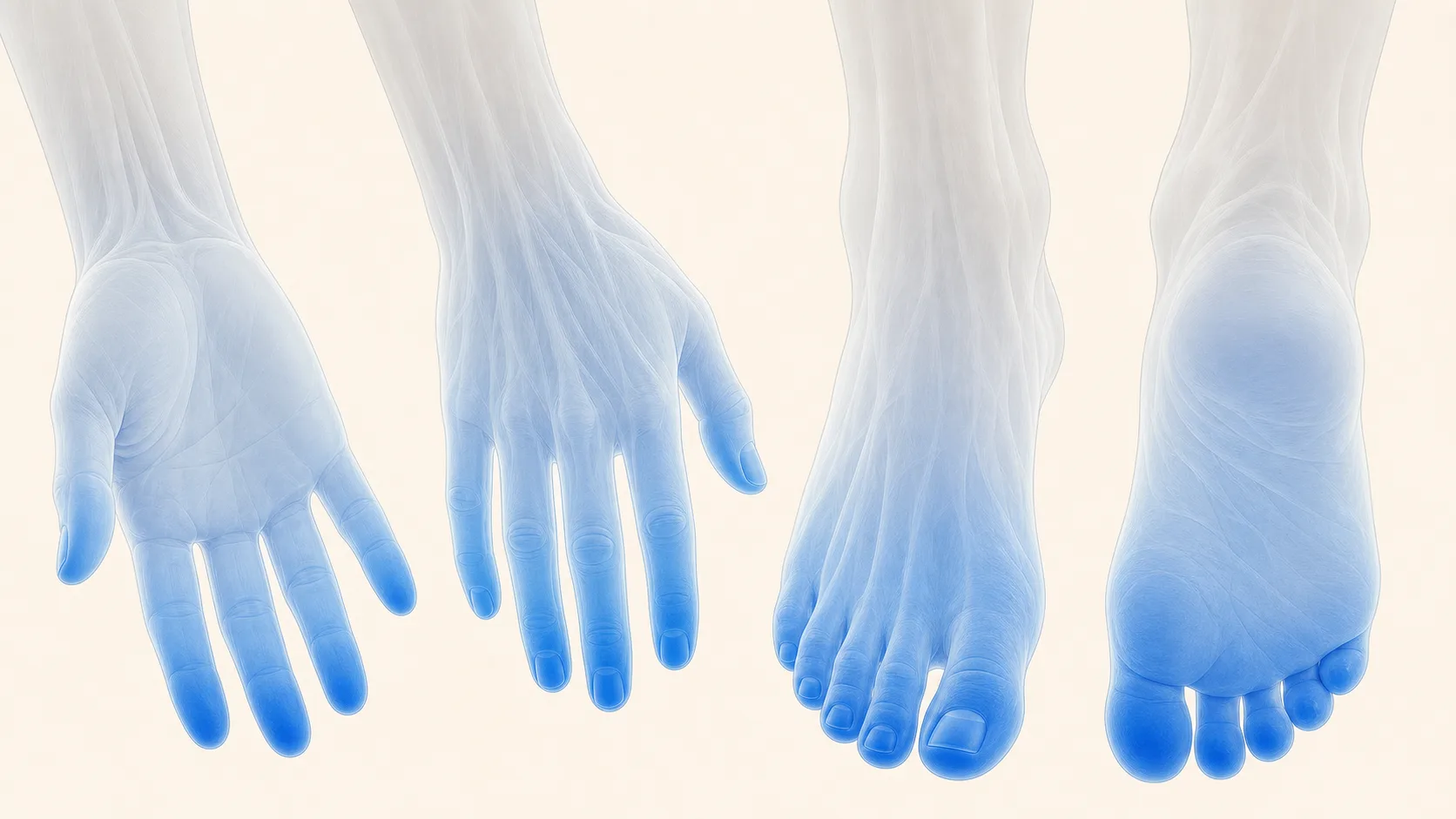
In terms of the internal organs (臟腑) viewed this way, Yang deficiency is primarily located in the Spleen (脾) and Kidney (腎). The Yang energy of the Kidney (腎) corresponds to the fundamental spark that warms the body; when this is weak, the lower back, knees, and lower abdomen feel cold, and one becomes highly sensitive to cold. The Spleen (脾) converts food into energy and governs the limbs (四肢), so if Spleen Yang (脾陽) is weak, digestion is slow, the body swells, and the hands and feet feel cold. When the Yang energy of both the Kidney and Spleen is weakened, it is called Spleen-Kidney Yang Deficiency(脾腎陽虛) Kidney Yang Deficiency, which is the most common pattern seen in hypothyroidism.
Hormone replacement therapy serves to fill the deficient levels, but a 'subclinical' state is often observed where fatigue and coldness remain even after levels return to the normal range. This is because blood tests only show the 'quantity' of hormones in the blood, not how well the cells utilize those hormones (the metabolic environment). Baekrokdam HanyeolClinic examines this metabolic environment itself through pattern identification (Byeonjeung).
Different types of the same symptom
The way energy is depleted in hypothyroidism also varies from person to person. Depending on which organ's Yang energy is deficient, there are four main types observed in clinical practice.
Spleen and Kidney Yang Deficiency Type (脾腎陽虛)
For those with a weak脾) and Kidney (腎) Yang energy are both weak. Due to weak Kidney Yang, the person is highly sensitive to cold and has coldness in the lower back, knees, hands, and feet; due to weak Spleen Yang, they suffer from indigestion and frequent swelling. This is the most common pattern in hypothyroidism, and the approach is to warm the fundamental Yang energy.
Qi and Blood Deficiency Type (氣血兩虛)
A type where both Qi and Blood are deficient. The complexion is pale, shortness of breath occurs even with slight movement, and lethargy is prominent. Hair loss or decreased menstrual flow may also accompany this.
The approach is to supplement Qi and Blood.
Heart and Kidney Yang Deficiency Type (心腎陽虛)
A type where the energy of the heart (心) and Kidney (腎) Yang energy are weak. Since the Heart governs the spirit, memory loss and brain fog occur, accompanied by heart palpitations and lethargy.
The approach is to warm the Yang energy of the Heart and Kidney to aid circulation.
Liver Qi Stagnation type (肝鬱)
Due to stress, Liver Qi (肝氣) is a type where metabolism is further stagnated due to blockage. There is significant emotional anxiety and frustration, and symptoms fluctuate according to emotional states.
The approach is to release the blocked Qi to help circulation.
The approach varies depending on the constitution and accompanying symptoms, and the detailed composition is adjusted while monitoring progress.
Then, in my case, where does this Yang deficiency come from? Even for the same deficiency syndrome, the pattern of lacking Yang energy to warm the body differs from person to person. Therefore, we divide it into four types to examine those differences.
Common Misconceptions
"If the levels are normal, it means I am fully recovered"
Blood tests only show the amount of hormones in the blood; it is difficult to know from the numbers alone how well the cells are utilizing them. A 'subclinical' state, where fatigue, edema, and sensitivity to cold remain even after levels return to the normal range, is common, and this can be examined together from the perspective of the metabolic environment.
"Hormone medication and Korean medicine management cannot be done together"
That is not the case. The role of hormone medication is to replenish deficient hormones, while Korean medicine pattern identification is a complementary approach that looks at the constitution and perceived symptoms, such as remaining fatigue, coldness, and edema, on top of that. It is dangerous to adjust medications on your own, so you must consult your attending physician.
"Weight gain is due to a lack of willpower"
In deficiency syndromes, metabolism slows down, making it easy to gain weight even with the same diet and activity. Rather than a matter of willpower, it is viewed as a state where the body's internal fire has decreased, so it is helpful to examine the metabolic environment together.
"Being sensitive to cold is just my constitution, so there is nothing I can do"
Being exceptionally sensitive to cold may be a signal that the Yang energy (陽氣) that warms the body is deficient. Rather than dismissing it as an innate trait and leaving it untreated, there is room to examine the causal type.
When categorized by these types, several things previously taken for granted may look different. Let's start by addressing some common misconceptions encountered in the clinic.
Points to verify even if symptoms seem similar
These are diseases with overlapping symptoms with hypothyroidism. Accurate differential diagnosis is the starting point for determining the management direction.
Chronic Fatigue Syndrome
Thyroid levels are normal, but extreme fatigue persists, and autonomic nerve imbalance is often the primary background rather than metabolism.
Menopausal Syndrome
Facial flushing and sweating are characteristic, but these can overlap with the fatigue and depression of hypothyroidism, so differentiation via hormone tests is necessary.
Depression
While lethargy and loss of motivation are the primary symptoms, it is necessary to examine whether this is secondary depression caused by hypothyroidism.
Renal failure and kidney disease
Edema is common to both, but they are differentiated by urine patterns and blood creatinine levels.
Hashimoto's thyroiditis
An autoimmune disease and the most common cause of hypothyroidism; management is conducted in parallel with monitoring immune balance.
It is also necessary to distinguish this from other conditions that are easy to confuse due to similar symptoms. Below are the clues used to differentiate them.
How this is evaluated during a medical consultation
Therefore, in actual clinical practice, we read the signals the body sends through abdominal palpation, pulse diagnosis, and medical inquiry, along with blood test levels.
Hypothyroidism is primarily confirmed through blood tests (TSH·Free T4), and in Korean medicine, abdominal examination (bokjin)腹診) and pulse diagnosis (脈診) · patient consultation (問診) to confirm the pattern identification.
- Abdominal Examination: We examine the state of Yang deficiency through abdominal coldness, elasticity, and tenderness points.
- Pulse Diagnosis: We determine the depth of the pattern identification through pulse patterns indicating decreased metabolism, such as thin or deep pulses.
- Medical Interview: We analyze the cause by checking sensitivity to cold, edema patterns, sleep patterns, and digestive status.
- Cases where test values are normal but symptoms persist are categorized and treated in clinical practice as 'subclinical hypothyroidism'.
Once the type and diagnosis are organized, we determine the next direction of care tailored to your constitution and the fatigue, cold sensitivity, and edema that were not captured by test values alone.
Frequently Asked Questions about Hypothyroidism
My blood test results are normal, so why do I continue to feel heavy and bloated?
Blood tests show the 'amount' of hormones in the blood, but it is difficult to know from the numbers alone how efficiently the cells are utilizing those hormones. In Korean medicine, this state is understood as Yang deficiency (Yang-heo), and we approach it by examining the metabolic environment itself.
I am taking thyroid hormone medication; can I take Korean herbal medicine at the same time?
Many patients seek consultation for concurrent treatment while taking hormone medication. We monitor changes in both the test values and your physical condition, and the subsequent direction of care is adjusted in consultation with your primary physician.
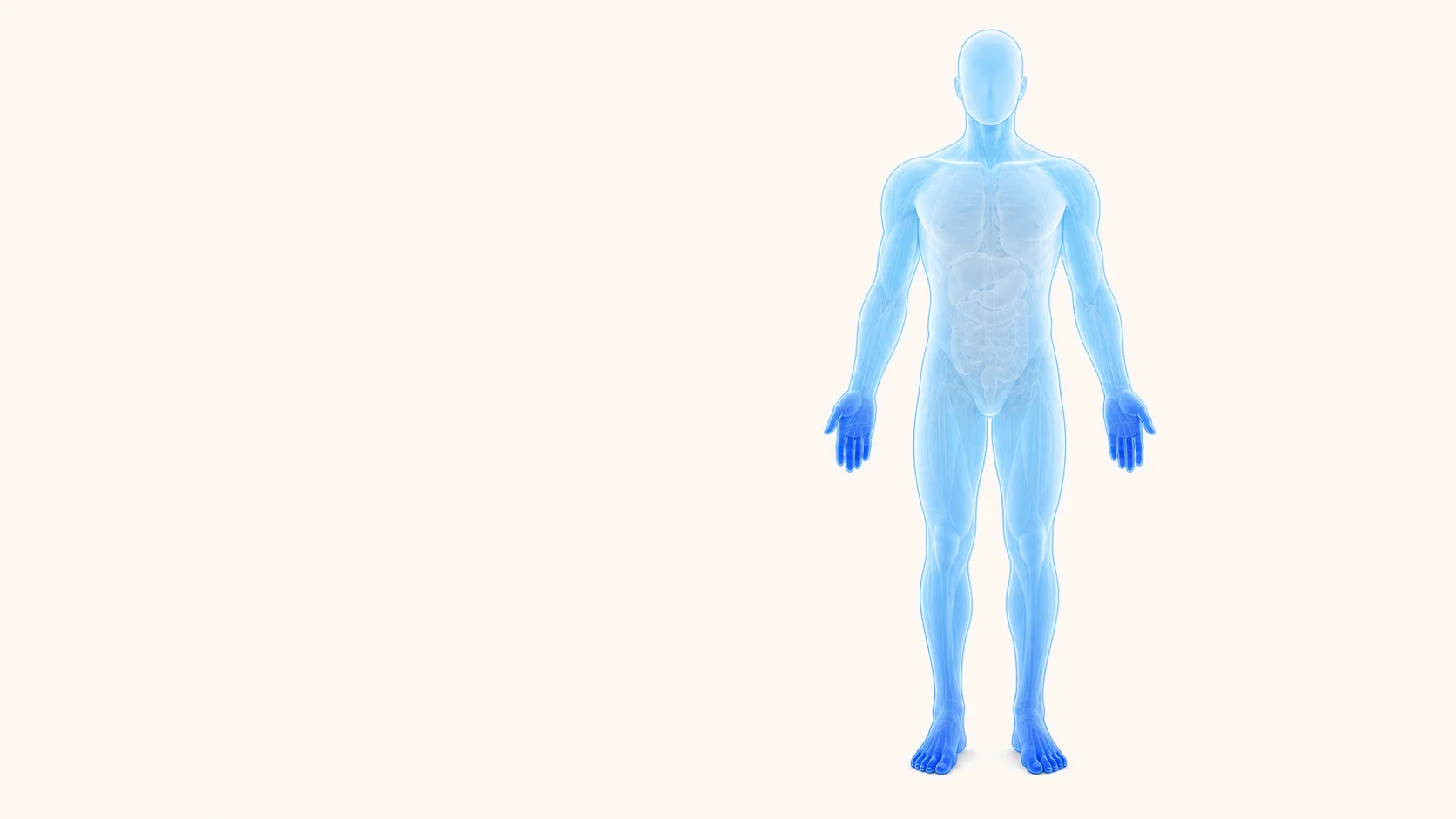
From the perspective of heat and cold, this is viewed as a process where a cold bias accumulates.
- Accumulation of causes for decreased circulation and Yang energy
- The body's regulatory functions cannot keep up
- This is seen as manifesting as symptoms of cold hypersensitivity and decreased circulation
The process of verification during medical evaluation
Now, we verify when and how your symptoms change
Since the way discomfort manifests can differ even within the same diagnosis, we review existing test results alongside the progression of symptoms.
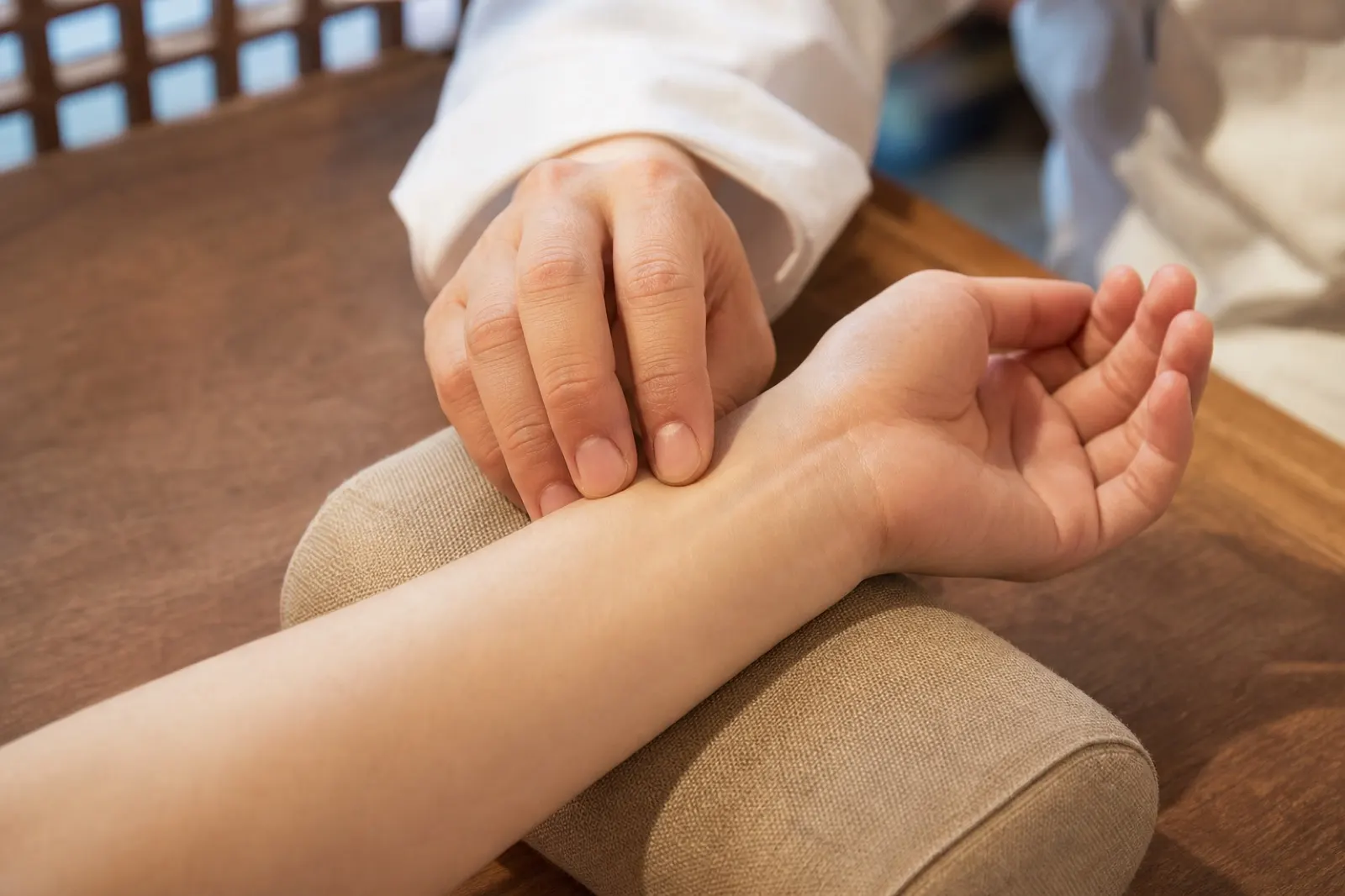
Pattern Identification (Byeon-jeung)
Symptoms are verified in detail through pulse diagnosis and medical interview
Through pulse diagnosis and medical interview, we identify tendencies toward cold hypersensitivity and accompanying patterns, and explain the approach suited to your current condition.
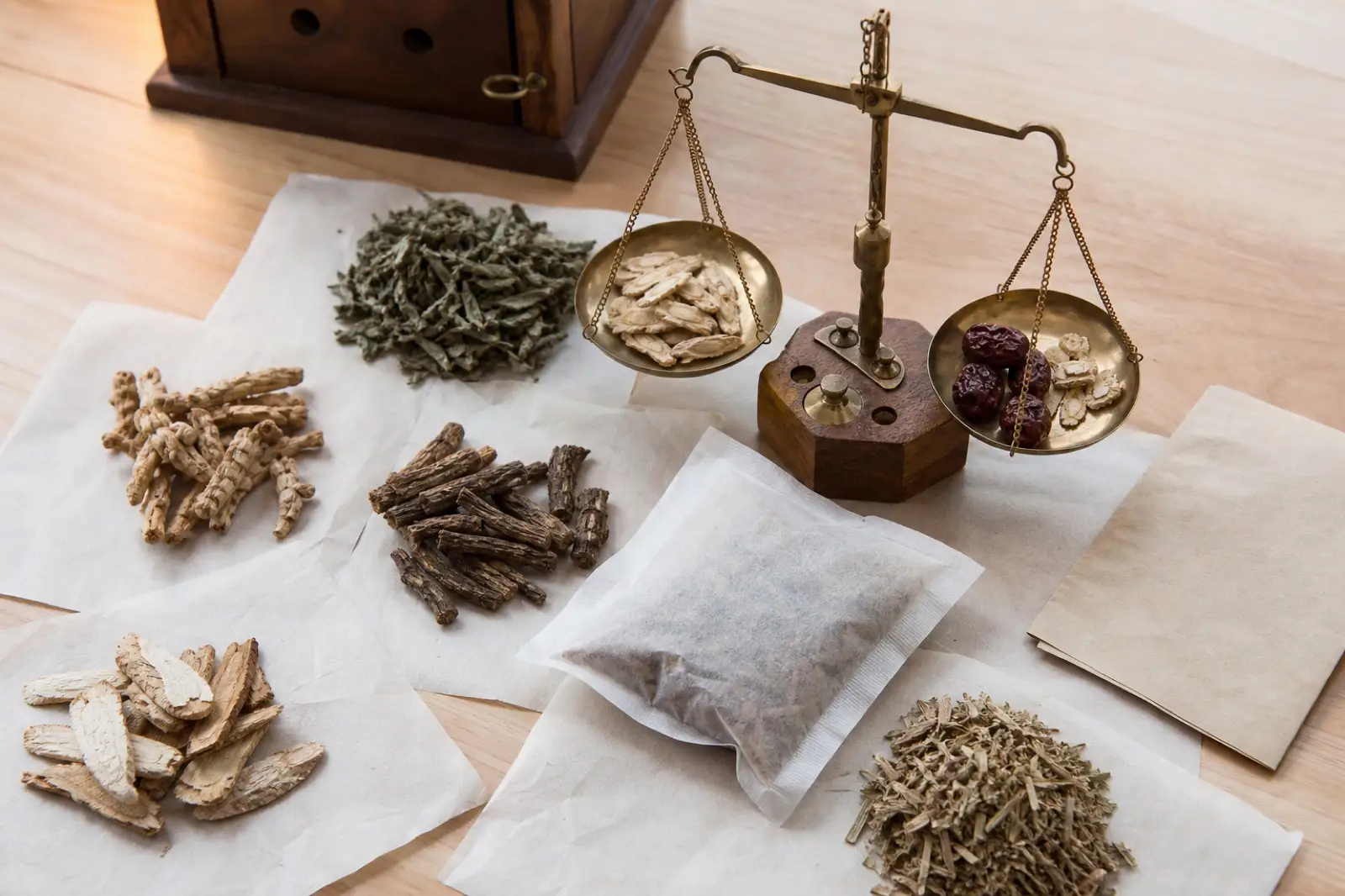
The prescription direction is determined, and changes after administration are verified
Based on the findings from the medical interview and examination, the prescription direction is explained, and the same director oversees everything from preparation to the changes after administration.
 Medical and Content Review
 Baekrokdam's medical standards
Hypothyroidism: Listening to the progress before the name
We check the areas where coldness lingers, the recovery speed, digestion, fatigue, sleep, and reactions to temperature changes. Because the way the body generates and distributes heat differs even for the same diagnosis, the patterns identified through pulse, tongue, and medical interviews are linked to the Korean herbal medicine prescription and follow-up.
"For discomfort that cannot be explained by test results alone, we trace back through the symptoms starting from when they first began."
- Graduated from Kyung Hee University College of Korean Medicine
- Chief Director of Baekrokdam Korean Medicine Clinic
Before Your Consultation
Please make a note of the times and areas where the cold sensation is most severe, how long the warmth lasts after applying heat, and any recent tests or medications you are taking.
During Your First Visit
Rather than concluding with a single symptom name, we categorize the onset, aggravating factors, and accompanying symptoms based on the patterns of cold and heat.
Once Treatment Begins
Prescriptions are adjusted based not only on the intensity of discomfort but also on the frequency, recovery time, and changes observed in your daily life.