惡寒 · Cold Intolerance
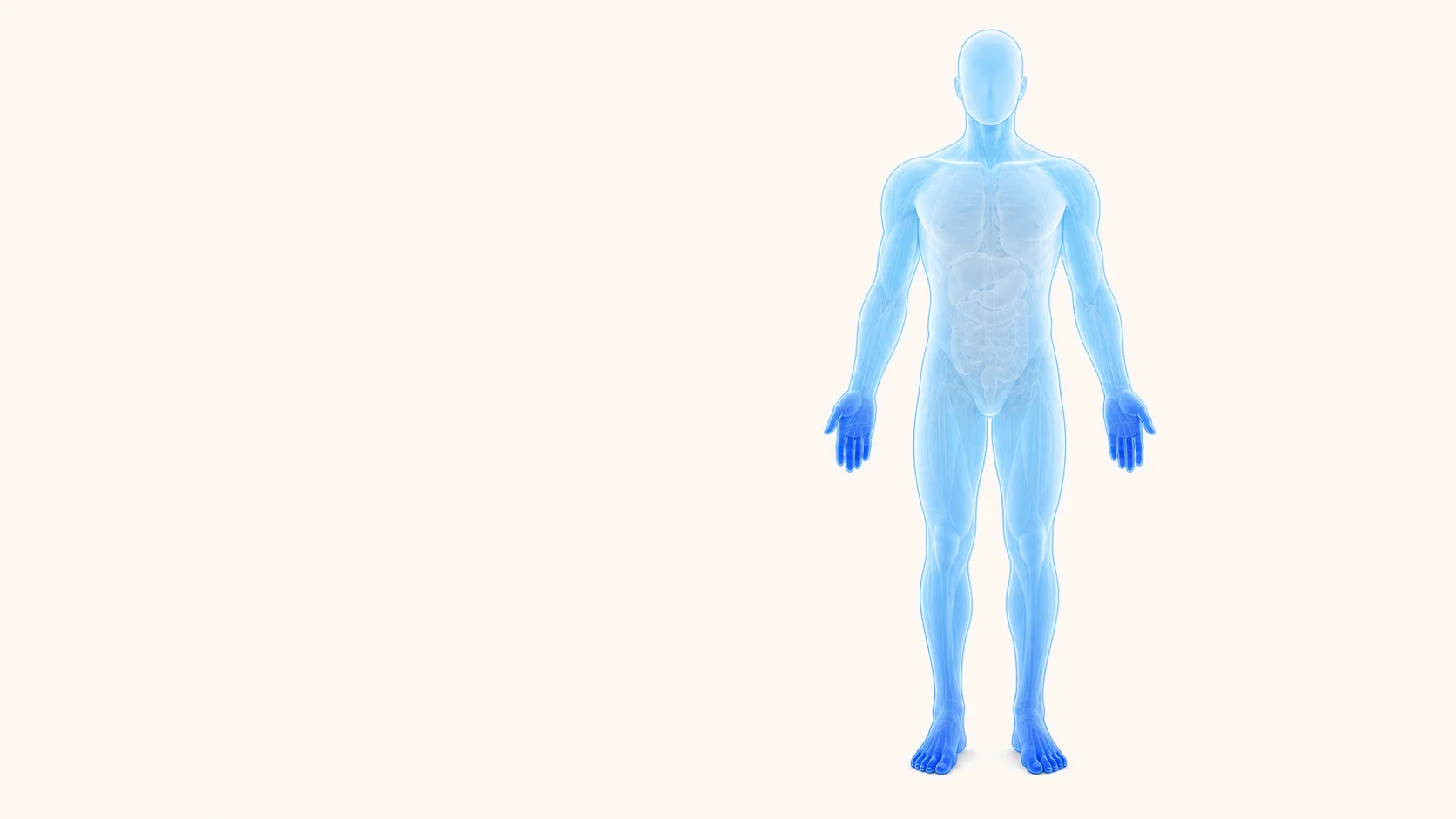
When chills or sensitivity to cold persist even without a fever, we provide guidance on the causes to check first, such as infection, thyroid issues, anemia, or vascular problems, and the items examined during a medical evaluation.
What to check first
We identify when the symptoms began, situations that worsen them, and any accompanying discomfort.
What to distinguish together
We narrow down the possibilities by comparing similar-looking conditions with previous test results.
What to look for on this page
We provide guidance on major patterns, differential criteria, and the sequence of confirmation during the medical evaluation.
General examinations look at blood test values for infection, thyroid function, anemia, etc. These symptoms may be due to a constitution where the power to warm the body is weakened due to a deficiency in Yang-gi (vital warming energy) or Wi-gi (defensive energy), which is evaluated through pattern identification (Byeon-jeung).
Korean medicine diagnosis looks at a different layer than hospital tests: it is not superior, but a different perspective.
Key information at a glance
- Pattern identification is divided into four categories: Kidney Yang deficiency, Spleen Yang deficiency, Qi deficiency, and disharmony between nutritive and defensive Qi.
- Differential diagnosis is performed to distinguish these from hypothyroidism, anemia, Raynaud's phenomenon, orthostatic hypotension, and menopausal syndrome.
- Background factors for cold hypersensitivity are confirmed through a medical interview.
We look beyond the tests to identify the root cause of your specific case.
Overview
chills·Cold hypersensitivity is a symptom where one feels significantly colder than others and experiences persistent shivering in front of air conditioners or in chilly weather. It is common to be the only one feeling cold at the same temperature or to get goosebumps from air conditioning that others find refreshing.
In Korean medicine, chills that show no specific abnormalities in tests are viewed as a deficiency of Yang-gi (陽氣) or Wi-gi (衛氣) or Qi deficiency(氣虛) resulting in exterior deficiency (表虛) is how we understand this. It is viewed as a state where the power to warm the body and maintain warmth has weakened. Here, Wei Qi (衛氣) is a defensive energy that circulates around the body surface to block external cold and preserve warmth; when this is weak, chills easily penetrate the body even with light clothing or a cold breeze.
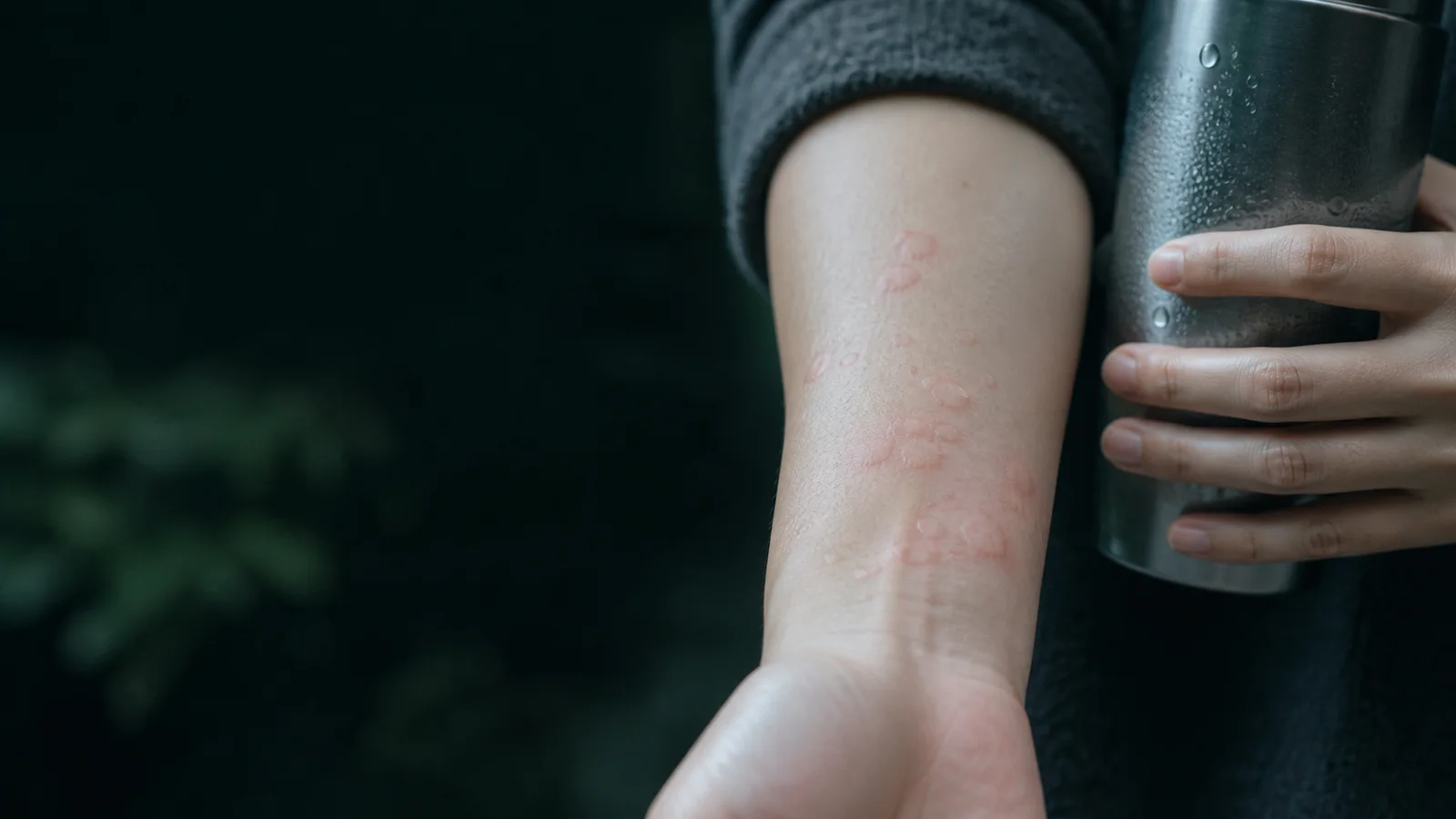
Even with the same chills, the root cause differs depending on which area is particularly cold and what accompanying symptoms occur. If the Yang energy of the Kidney (腎) is weak, coldness starts from the lower abdomen, waist, and hands and feet. If the Yang energy of the Spleen (脾) is weak, the abdomen feels cold along with digestive issues. If overall Qi (氣) is insufficient, one feels cold while tiring easily. Autonomic Nervous SystemThere are also cases where this fluctuates, causing cold sensitivity and Cold sweatsto occur alternately. Even if you have been told there is no specific disease, this lack of warmth can be examined through pattern identification (Byeonjeung).
Then, in my case, where do these chills come from? Even with the same sensitivity to cold, the organ lacking warmth differs from person to person. Therefore, we look into the four pattern identification types hidden behind the single symptom of 'chills'.
Different types of the same symptom
Being exceptionally sensitive to cold is divided into four types depending on which organ lacks warmth.
Kidney Yang Deficiency Type (腎陽虛)
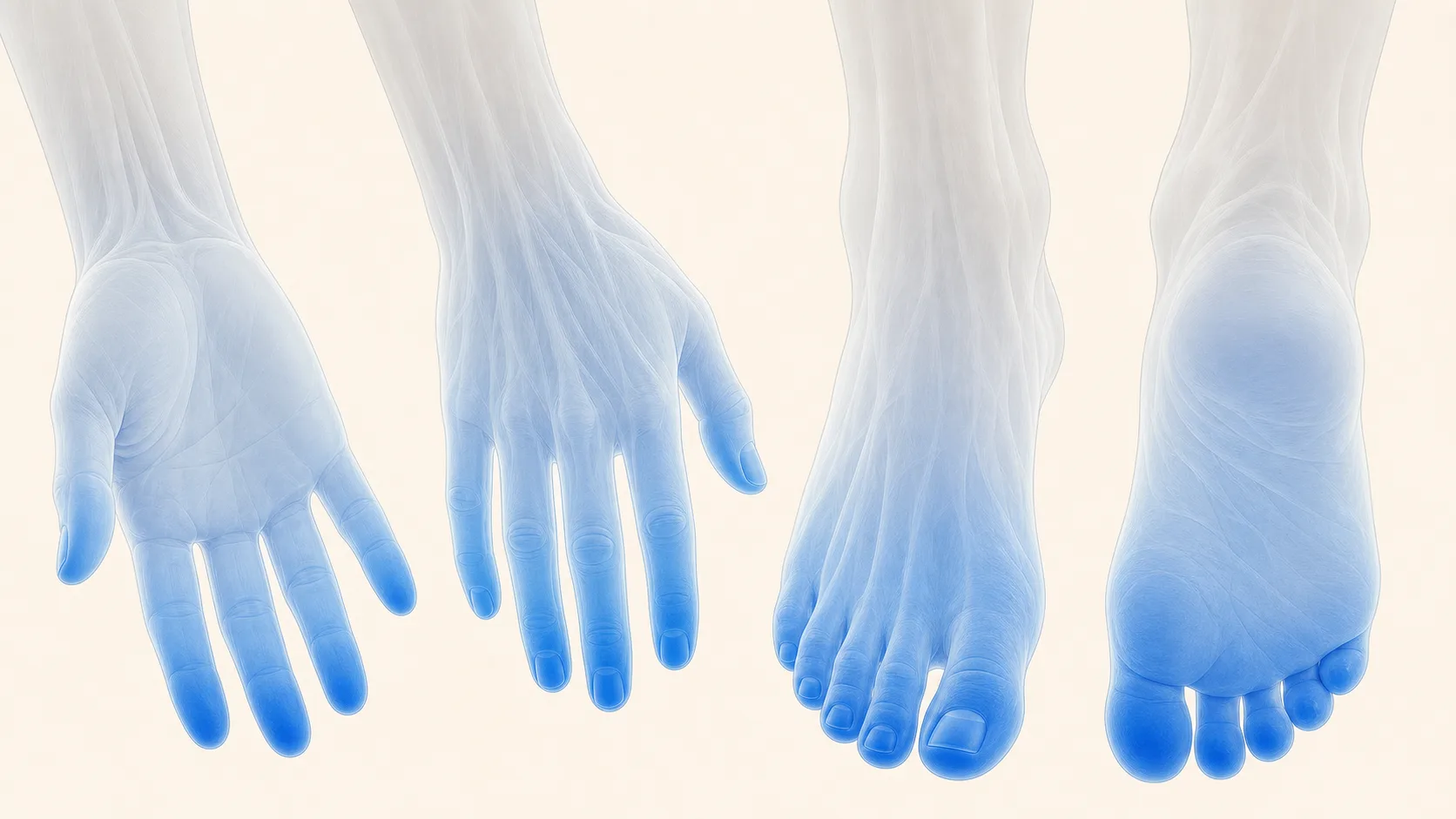
A type where the fundamental Yang energy that warms the body is insufficient. If the Yang energy of the Kidney (腎) is weak, the hands, feet, lower abdomen, and waist are particularly cold; this is often seen in cases where Kidney Yang is greatly depleted due to postpartum recovery or overwork.
The approach is to warm the fundamental yang energy.
Spleen Yang Deficiency Type (脾陽虛)
For those with a weak脾) is a type where Yang energy is insufficient. Digestive function declines, the abdomen feels cold, and stomach upsets occur easily after eating cold food.
The approach is to warm the spleen to revitalize the digestive fire.
Qi Deficiency Type (氣虛)
A type where energy is generally insufficient. One tires easily, feels cold, and exhibits noticeable underweight or low vitality.
The approach is to supplement the Qi.
Ying-Wei Disharmony Type (營衛不和)
A type where the harmony between Wei Qi (衛氣), which protects the body, and Ying Qi (營氣), which nourishes the interior, is broken. Due to autonomic nerve instability, chills and cold sweats occur simultaneously, and one is sensitive to environmental changes.
The approach is to balance the harmony between Ying and Wei.
Common Misconceptions
"There are no abnormalities in the tests, so you are just sensitive."
If you are exceptionally sensitive to cold even though infection, thyroid, and anemia tests are normal, it may be a sign that your Yang energy (陽氣) and Wei Qi (衛氣), which warm and protect the body, are weak. The absence of abnormal test results does not mean there is no cause.
"I feel cold because I don't have enough body fat."
While it is true that those with a lean build may feel cold more easily, the root cause is often a deficiency in the power to generate warmth (Yang energy and Qi). We view this not as a matter of weight alone, but as an issue of metabolism and vitality.
"I just need to wear thick clothes."
Keeping warm is important, but if the internal power to generate warmth is weak, the chill will easily penetrate no matter how much you wrap yourself. Fundamental management requires examining the internal 'fire' as well.
"It doesn't make sense to have both chills and cold sweats."
Experiencing cold sweats while feeling chilled is a typical pattern of Yeong-wi-bul-hwa (disharmony between nutrient and defensive Qi), where the harmony between the Wei Qi that protects the body and the Yeong Qi that fills the interior is broken. This is viewed not as a contradiction, but as a signal of imbalance.
When categorized this way, several things about cold sensitivity that were previously taken for granted look a bit different. Let's start by addressing common misconceptions encountered in the clinic.
Points to verify even if symptoms seem similar
Hypothyroidism
Both involve cold sensitivity and fatigue, but they are distinguished by TSH and Free T4 tests. If the thyroid is normal but cold sensitivity persists, it is viewed as autonomic cold sensitivity.
Anemia
Both cause cold sensitivity and fatigue, but they are distinguished by hemoglobin levels.
Raynaud's phenomenon
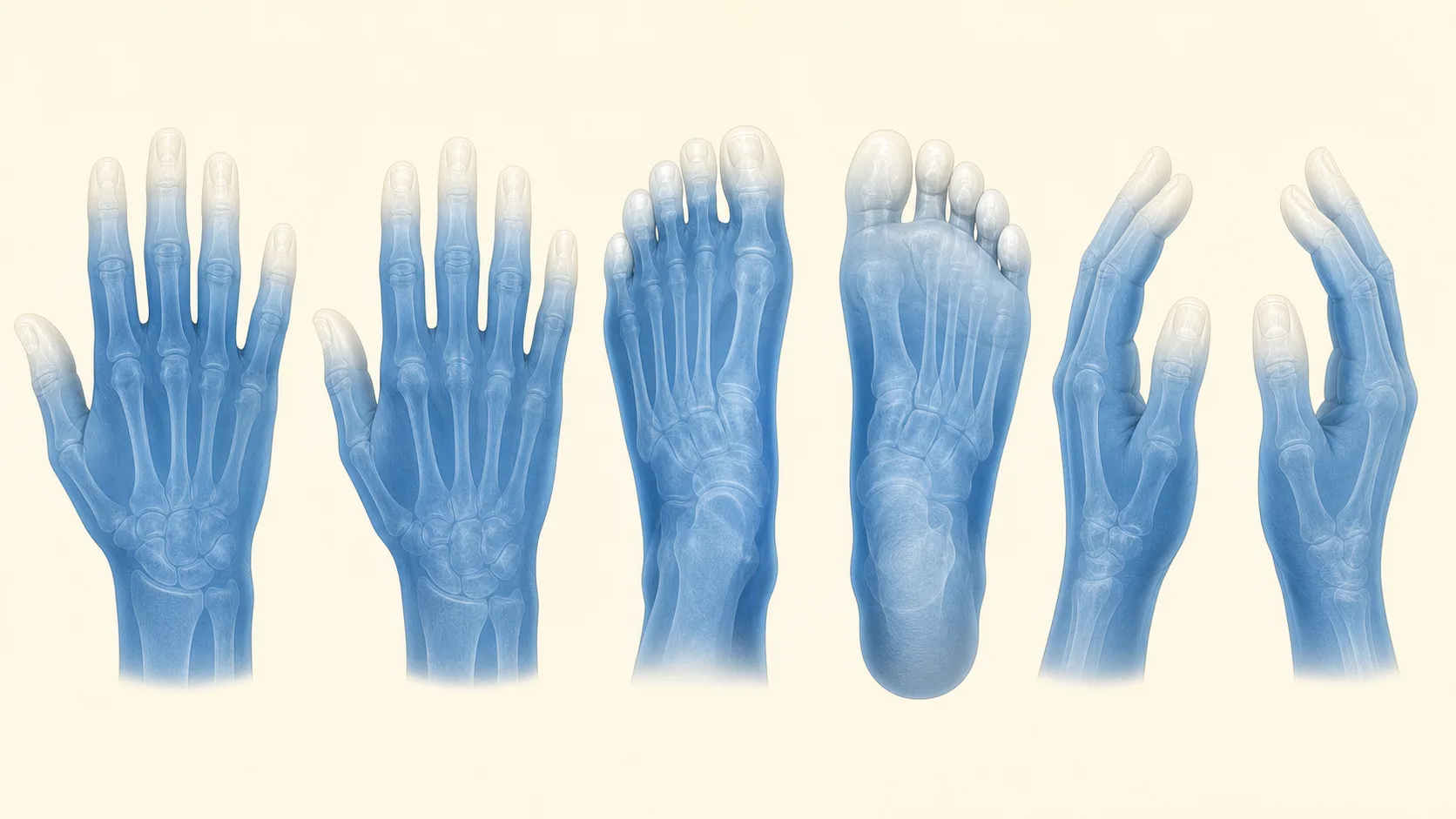
It is characterized by fingers changing color from white to blue to red accompanied by pain; unlike simple chills, the presence of color change indicates a different condition.
Orthostatic hypotension
Dizziness upon standing is the primary symptom, and cold sensitivity is often a secondary symptom, though both may occur together.
Menopausal Syndrome
It is characterized by Yeong-wi-bul-hwa, where cold sensitivity and heat sensations alternate. If hormone levels are normal and autonomic symptoms are primary, it is viewed as an imbalance related to menopause.
It is also necessary to distinguish this from other conditions that are easy to confuse due to similar symptoms. Below are the clues used to differentiate them.
How this is evaluated during a medical consultation
We check the degree of Kidney Yang (脈診) · abdominal diagnosis (腹診) deficiency through subjective body temperature assessment and pulse diagnosis (腎陽). We categorize the type by examining the onset of chills (season, stress, postpartum), the location of the cold sensation (hands and feet, lower abdomen, whole body), accompanying symptoms (digestive discomfort, cold sweats, lack of energy), and background factors (overwork, recovery period, lean build).
Therefore, in actual medical evaluation, we distinguish the type of cold sensitivity by examining the location of symptoms, the timing of onset, and accompanying symptoms.
Once the types are organized this way, we determine the next direction together, tailoring it to the constitution and remaining symptoms that were not captured by tests alone.
From the perspective of heat and cold, this is viewed as a process where a cold bias accumulates.
- Accumulation of causes for decreased circulation and Yang energy
- The body's regulatory functions cannot keep up
- This is seen as manifesting as symptoms of cold hypersensitivity and decreased circulation
The process of verification during medical evaluation
Now, we verify when and how your symptoms change
Since the way discomfort manifests can differ even within the same diagnosis, we review existing test results alongside the progression of symptoms.
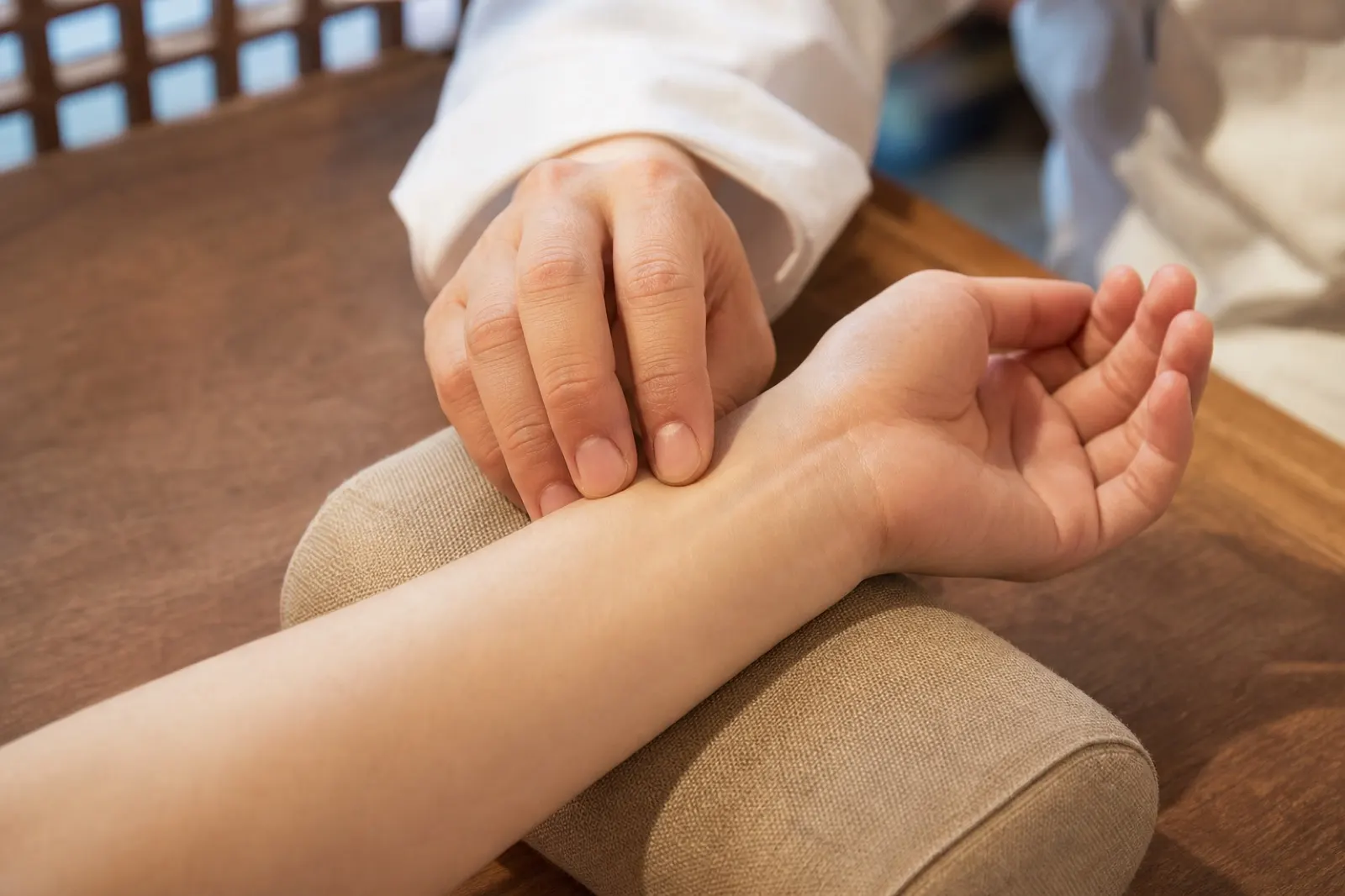
Pattern Identification (Byeon-jeung)
Symptoms are verified in detail through pulse diagnosis and medical interview
Through pulse diagnosis and medical interview, we identify tendencies toward cold hypersensitivity and accompanying patterns, and explain the approach suited to your current condition.
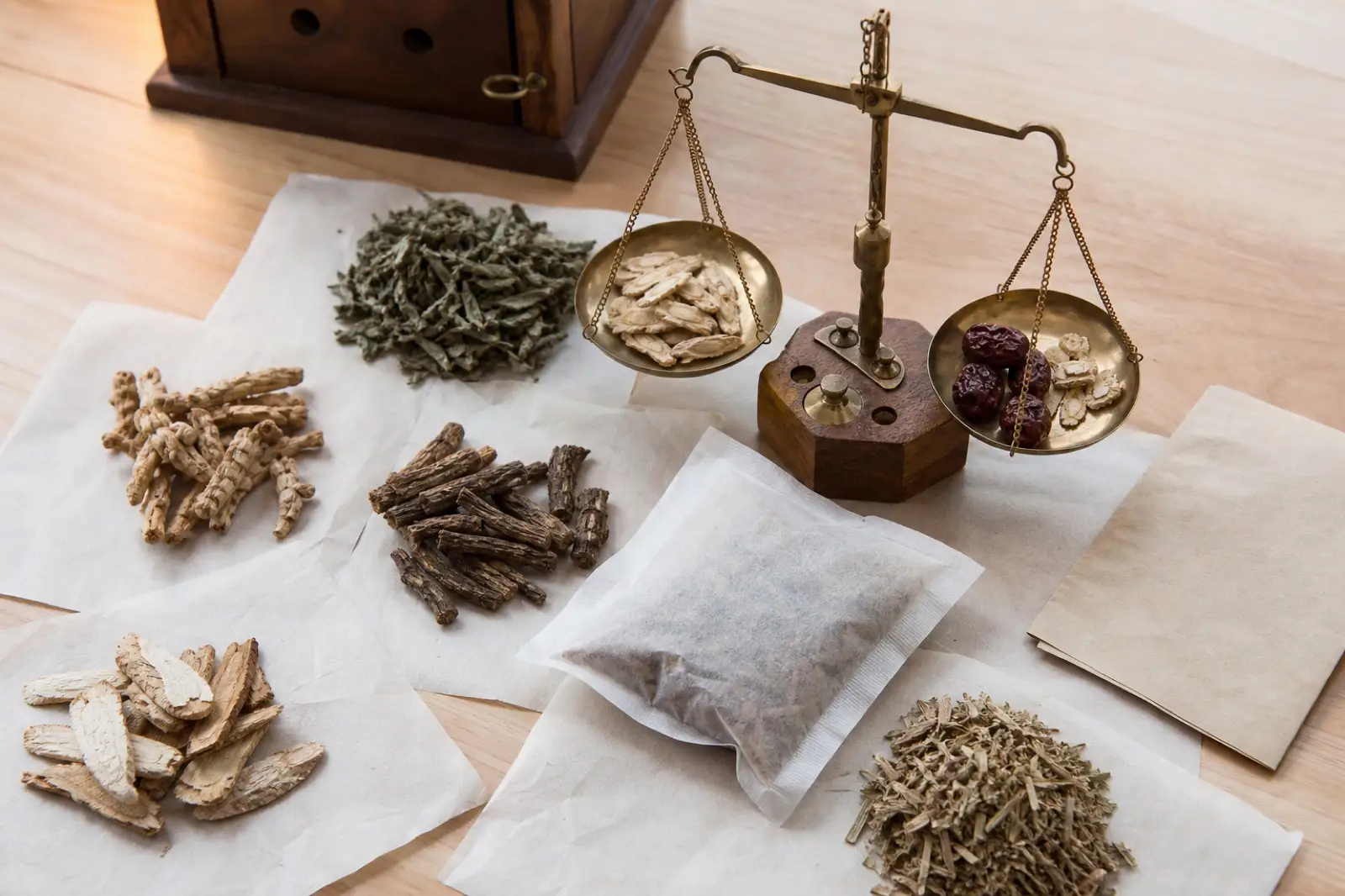
The prescription direction is determined, and changes after administration are verified
Based on the findings from the medical interview and examination, the prescription direction is explained, and the same director oversees everything from preparation to the changes after administration.
 Medical and Content Review
 Baekrokdam's medical standards
For chills, we prioritize hearing the progression over the name of the condition
We check the areas where coldness lingers, the recovery speed, digestion, fatigue, sleep, and reactions to temperature changes. Because the way the body generates and distributes heat differs even for the same diagnosis, the patterns identified through pulse, tongue, and medical interviews are linked to the Korean herbal medicine prescription and follow-up.
"For discomfort that cannot be explained by test results alone, we trace back through the symptoms starting from when they first began."
- Graduated from Kyung Hee University College of Korean Medicine
- Chief Director of Baekrokdam Korean Medicine Clinic
Before Your Consultation
Please make a note of the times and areas where the cold sensation is most severe, how long the warmth lasts after applying heat, and any recent tests or medications you are taking.
During Your First Visit
Rather than concluding with a single symptom name, we categorize the onset, aggravating factors, and accompanying symptoms based on the patterns of cold and heat.
Once Treatment Begins
Prescriptions are adjusted based not only on the intensity of discomfort but also on the frequency, recovery time, and changes observed in your daily life.