甲狀腺機能亢進症 · Hyperthyroidism
When palpitations, weight loss, hand tremors, or heat sensitivity occur, we provide guidance on the tests performed for hyperthyroidism and how we evaluate lingering discomfort during medical treatment.
What to check first
We identify when the symptoms began, situations that worsen them, and any accompanying discomfort.
What to distinguish together
We narrow down the possibilities by comparing similar-looking conditions with previous test results.
What to look for on this page
We provide guidance on major patterns, differential criteria, and the sequence of confirmation during the medical evaluation.
General tests look at TSH, T3, and T4 levels. These symptoms may be 'deficiency heat' caused by constitutionally remaining 'fire energy' (Hwa-gi) or depletion of bodily fluids, which we evaluate through pattern identification (Byeon-jeung).
Korean medicine diagnosis looks at a different layer than hospital tests: it is not superior, but a different perspective.
Key information at a glance
- Pattern identification is divided into four categories: Liver-fire inflammation, Yin deficiency with flourishing fire, Heart-Spleen Yang deficiency, and Liver-qi stagnation.
- We differentiate these from menopausal syndrome, panic disorder, anxiety disorder, chronic fatigue syndrome, and early-stage thyroiditis.
- We evaluate palpitations, hand tremors, and heat sensations that persist even after levels have stabilized.
We look beyond the tests to identify the root cause of your specific case.
Overview
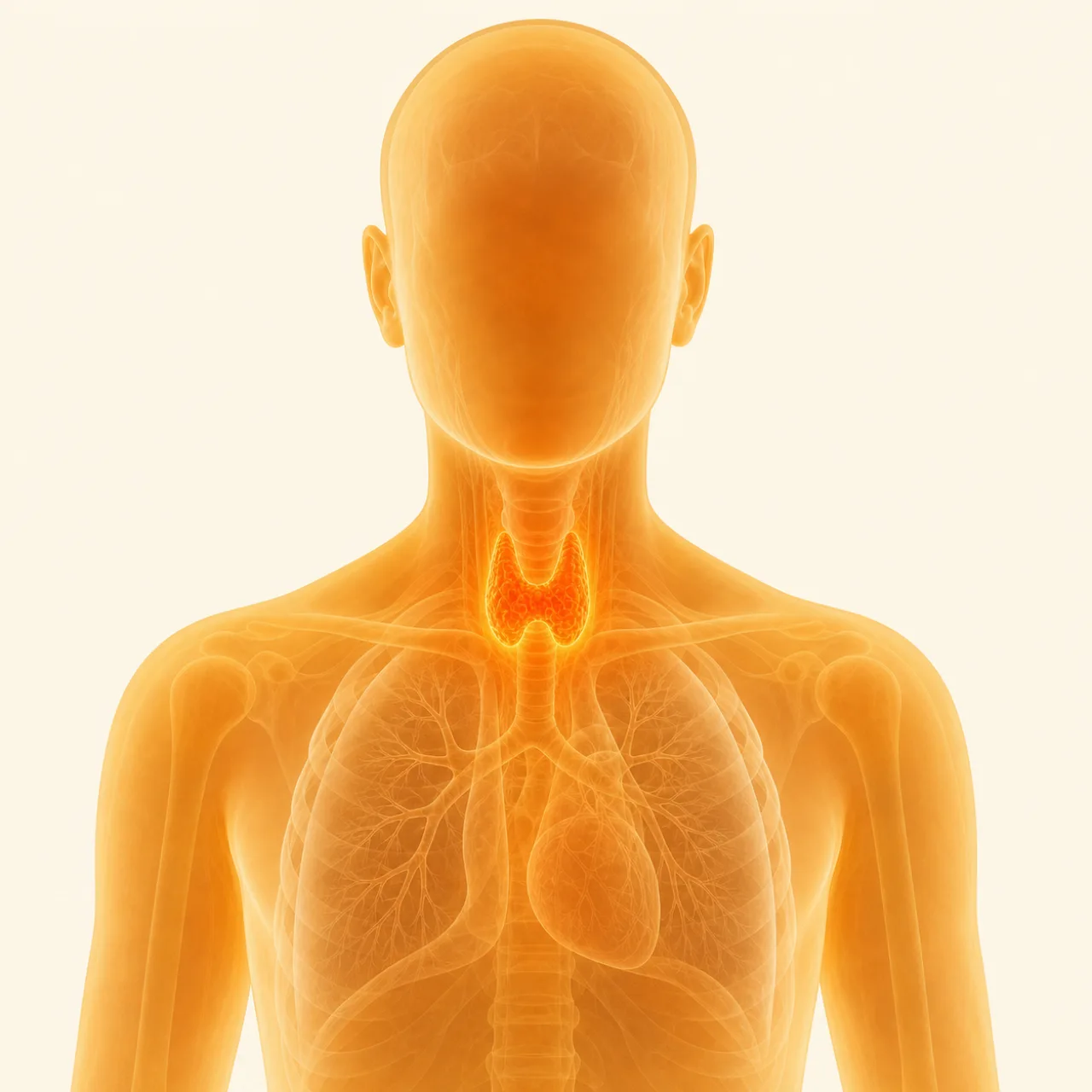
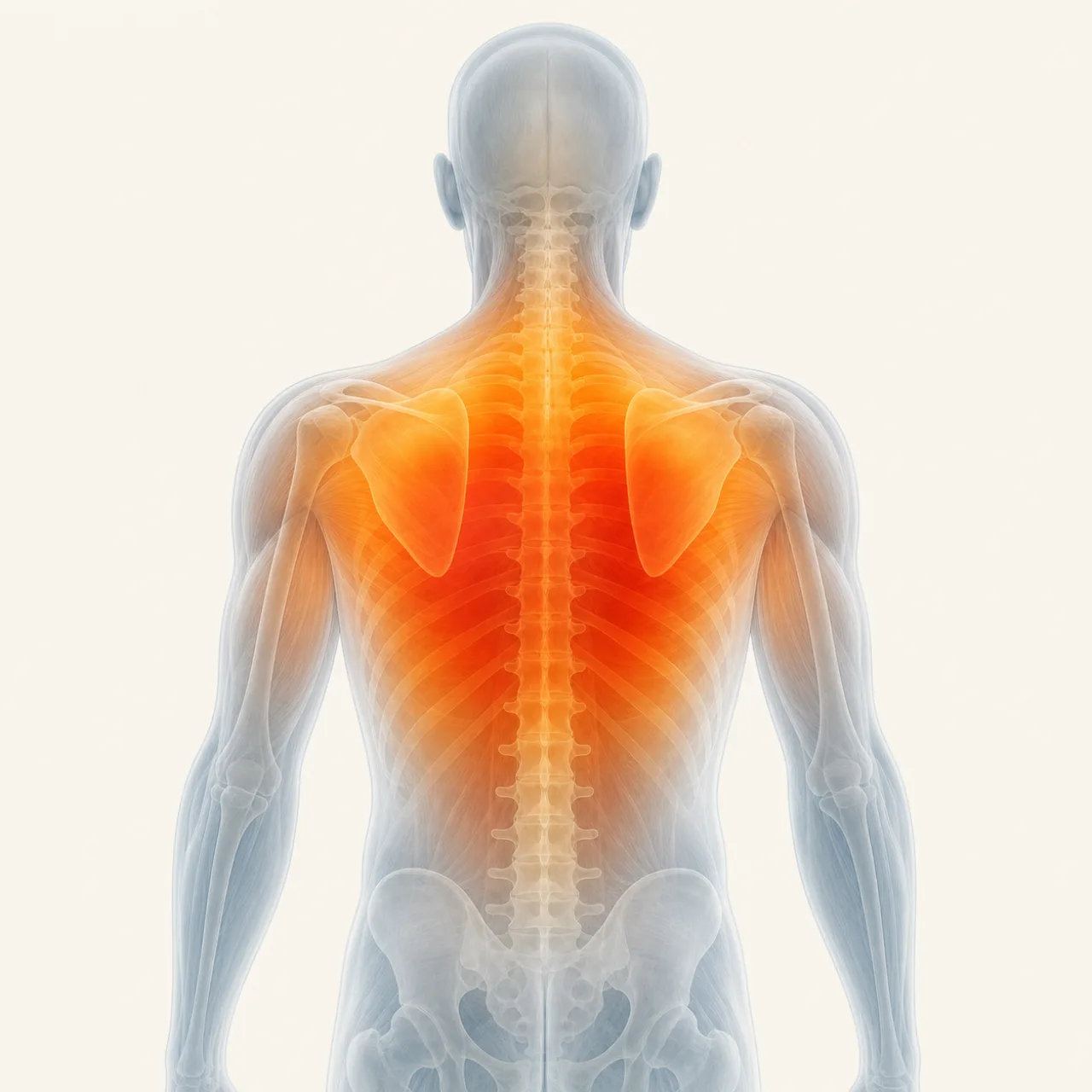
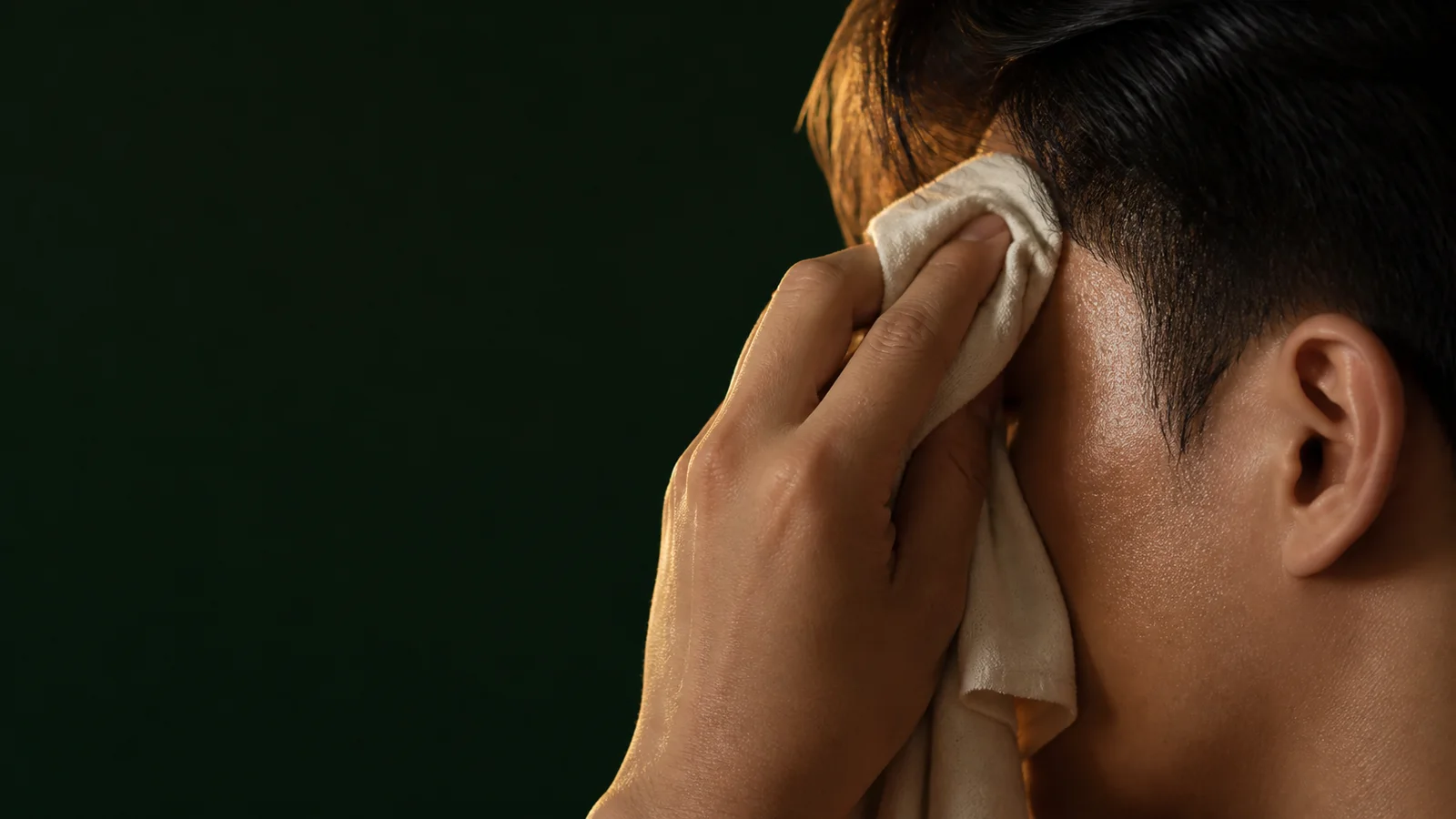
hyperthyroidismis a state where thyroid hormones are secreted excessively, causing the overall metabolism to become overly rapid. Representative symptoms include heart palpitations, weight loss, hand tremors, and bulging eyes, and it may be accompanied by insomnia, hyperhidrosis, and mood swings. Because metabolism runs fast, weight loss occurs even with high food intake, there is a particular inability to tolerate heat, and the body remains in a state of tension even during rest.
In Korean medicine, this is understood as a state where heat (熱) surges upward. It is broadly divided into two categories. One is when energy becomes stagnant due to stress and transforms into fire (火) as Excess Heat(實熱) side, and the other is long-term Jin-aekbeing depleted Deficiency heat(虛熱) is the side where heat rises. Even in cases where autoimmunity is the background, such as Graves' disease, we use pattern identification (Byeonjeung) to examine the outward manifestations of hyperthyroidism and look at the body's balance point.
In terms of the internal organs (臟腑) from this perspective, this heat mainly manifests as a burden on the liver (肝) and Heart (心). When the liver (肝) is responsible for the flow of emotions and Qi; when Gan-gi (liver Qi) (肝氣) is blocked, it turns into fire (火) and rises upward. The liver (肝) is connected to the eyes (目), leading to bloodshot eyes and protruding eyeballs, and the thyroid area of the neck (頸) becomes swollen. Since the heart (心) governs the spirit in the chest, when this fire disturbs the heart, it manifests as palpitations, insomnia, and anxiety.
It is common for palpitations, hand tremors, and feelings of heat to remain even after levels have stabilized with medication. This is because test results only show current hormone concentrations, not the bodily fluids (Jin-aek) depleted by long-term heat or the remaining fire energy (火氣). Baekrokdam Han-Yeol Clinic examines these remaining elements through pattern identification.
Different types of the same symptom
Then, in my case, where does this heat come from? Even with the same hyperthyroidism, the location where heat settles differs from person to person. Therefore, we look deeper into the single diagnosis of 'hyperthyroidism'.
Hyperthyroidism is divided into four types depending on the patient's constitution, primary symptoms, and which organ the heat has settled in.
Liver-Fire Inflammation Type (肝火上炎)
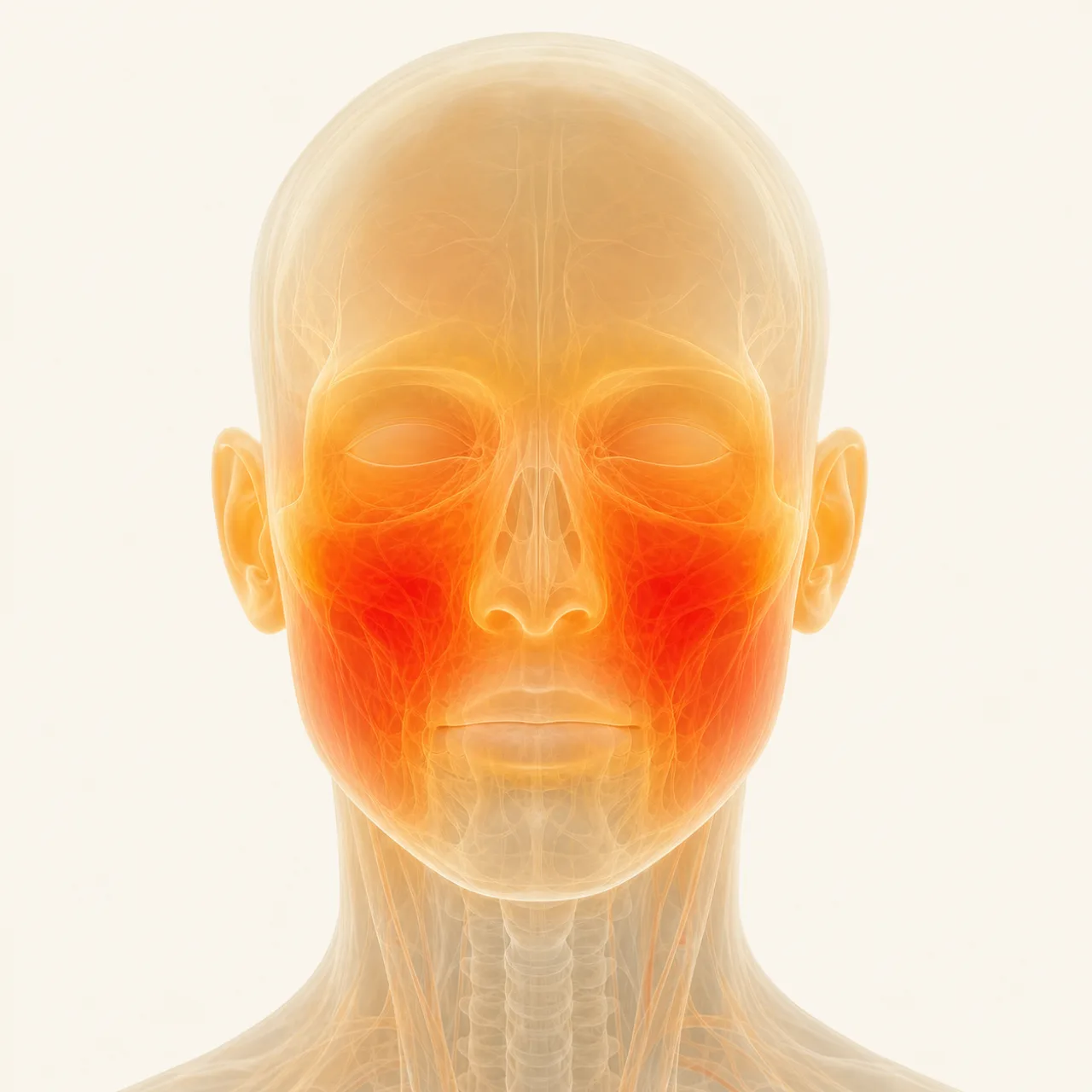
Gan (liver) (肝) is a type where fire from the liver surges upward. Since the liver is connected to the eyes, neck, and flanks, these patients tend to get angry easily, have frequently bloodshot eyes, show distinct swelling in the thyroid area of the neck, and experience severe palpitations. A red face, bitter taste in the mouth, and headaches may also occur.
The approach is to bring down the surging Liver-Fire.
Yin Deficiency with Fire Type (陰虛火旺)
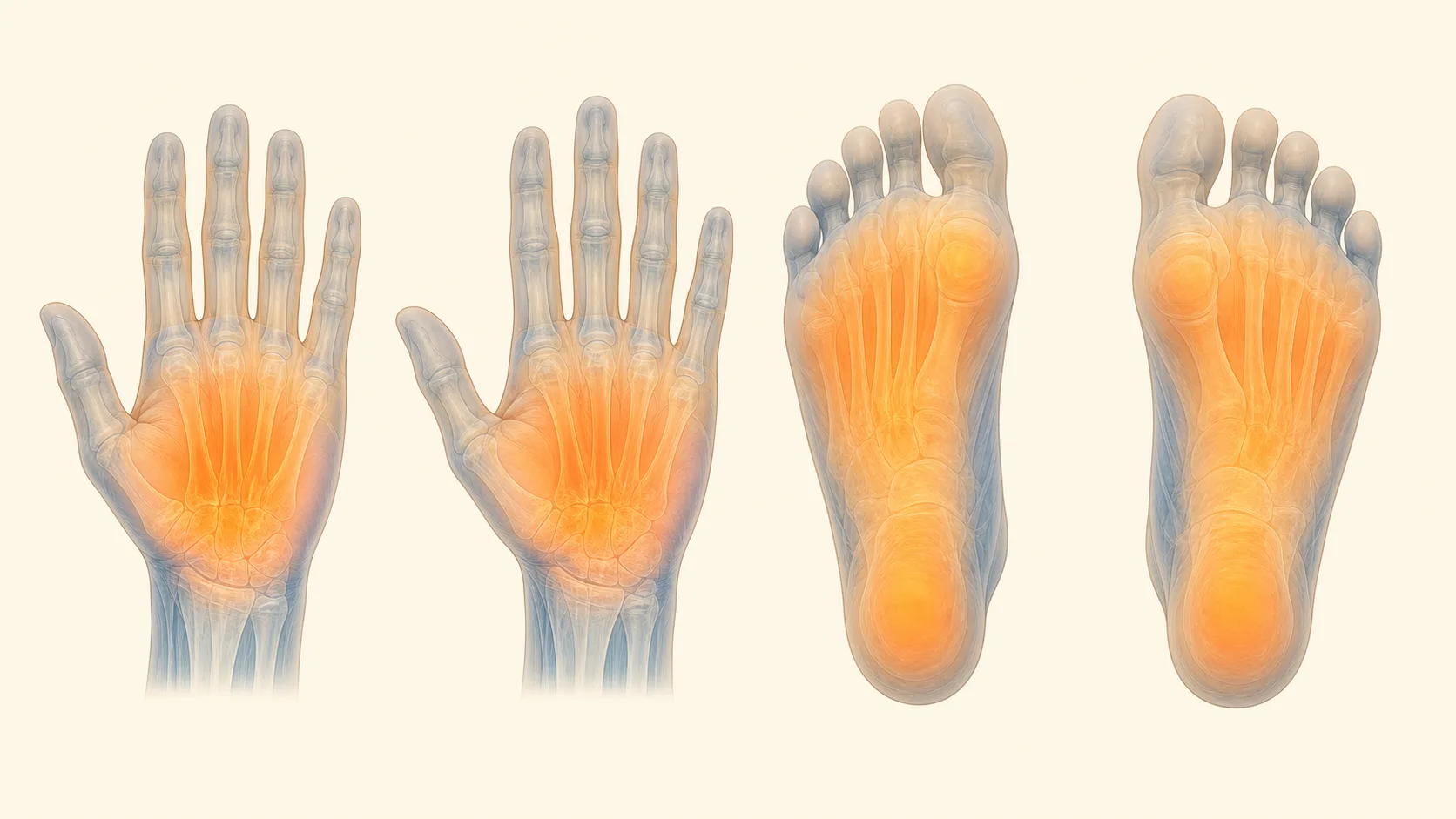
This type occurs when the body's fluids (陰) is a type where bodily fluids are dried up, causing relative deficiency heat to rise. This involves rapid weight loss, heat in the palms and soles (Five-center heat), and night sweats. The mouth becomes dry, sleep is shallow, and the feeling of heat tends to worsen in the afternoon or evening.
The approach is to replenish the deficient Yin to calm the deficiency heat.
Heart-Spleen Deficiency Type (心脾兩虛)
A type where the heart (心) and spleen (脾) has weakened along with long-term heat. The chest feels palpitating yet there is a lack of energy, and since the spleen (脾) is responsible for the limbs and digestion, strength in the hands and feet decreases and digestive power drops. A pale complexion, dizziness, and forgetfulness may accompany this. This pattern is often seen when hyperthyroidism is prolonged or in the later stages of treatment.
The approach is to fill the energy by supplementing both the weakened heart and spleen.
Liver Qi Stagnation type (肝氣鬱結)
An early or mild type where energy is blocked but has not yet fully turned into fire. These patients are sensitive to stress, feel a foreign body sensation in the throat (Mae-haek-gi), sigh frequently, and have significant mood swings. Palpitations fluctuate depending on the situation.
The approach is to release and facilitate the flow of blocked Qi.
Common Misconceptions
When the causes are divided this way, a few things that were previously taken for granted look a bit different. Let's start by addressing some common misunderstandings encountered in the clinic.
"As long as the levels are normal, I am fully recovered."
Test values are indicators of current hormone concentrations, but they do not reflect the overall state of a body that has suffered from prolonged heat. It is a common progression for pulsating sensations, hand tremors, and feelings of heat to remain even after levels have stabilized; these aspects can be examined together from the perspective of constitution and accompanying symptoms.
"Pulsating sensations are always a heart problem"
Pulsating sensations in hyperthyroidism are often caused by excessive metabolism and heat shaking the heart (心) rather than being a structural problem of the heart itself. While it is necessary to differentiate heart disease, if heart tests are normal but pulsating sensations persist, there is room to approach it from the perspective of heat.
"Korean medicine management and thyroid medication cannot be done together"
That is not the case. Hormone regulation for hyperthyroidism is fundamentally based on medication treatment by a specialist, and Korean medicine pattern identification is a complementary approach that looks at the remaining symptoms and constitution. It is dangerous to arbitrarily reduce or stop medication you are taking, so you must consult your attending physician.
"Once bulging eyes occur, they cannot be reversed"
The progression of thyroid eye disease varies greatly by individual and is divided into active and stable phases. Depending on the condition, ophthalmological care may need to take priority; therefore, if eye symptoms progress rapidly, it is important to receive professional examination first.
Points to verify even if symptoms seem similar
It is also necessary to distinguish this from other conditions that are easy to confuse due to similar symptoms. Below are the clues used to differentiate them.
Menopausal Syndrome
Feelings of heat and pulsating sensations are similar, but thyroid levels on hormone tests are often normal in menopause. While menopause centers on menstrual changes and facial flushing, hyperthyroidism shows clear indicators of metabolic acceleration, such as weight loss and hand tremors.
Panic disorder and anxiety disorder
While pulsating sensations and anxiety are the main symptoms, hyperthyroidism is accompanied by metabolic indicators such as weight loss and sweating. While panic attacks occur sporadically in specific situations, pulsating sensations in hyperthyroidism tend to persist even at rest.
Chronic Fatigue Syndrome
The lack of energy is similar, but hyperthyroidism is closer to a feeling of being drained due to excessive energy expenditure and is accompanied by heat intolerance.
Early stage thyroiditis
Levels may rise temporarily, but since they may normalize over time or transition into hypothyroidism, follow-up observation is necessary.
How this is evaluated during a medical consultation
Therefore, in actual medical evaluation, we read the test values and the signals the body sends together.
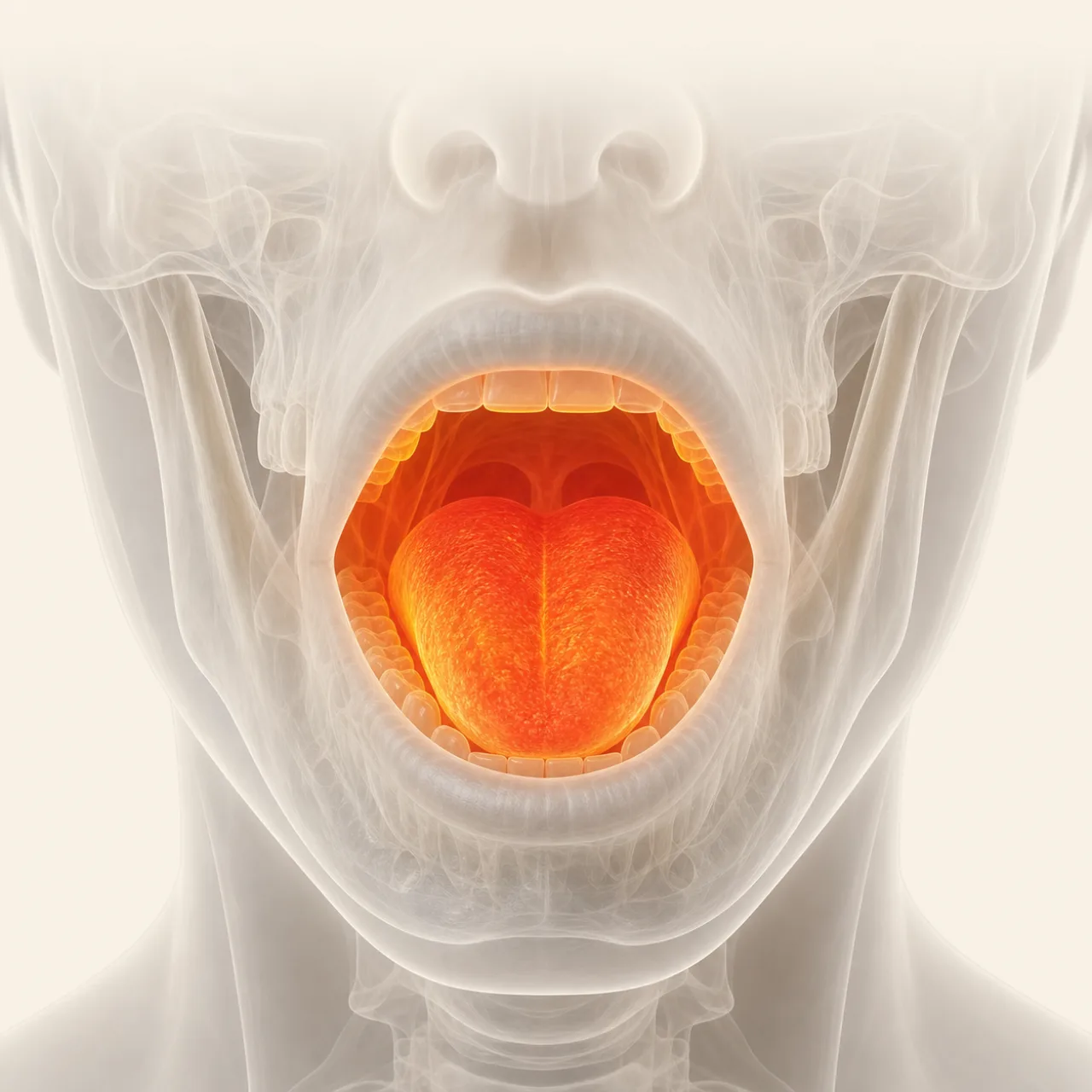
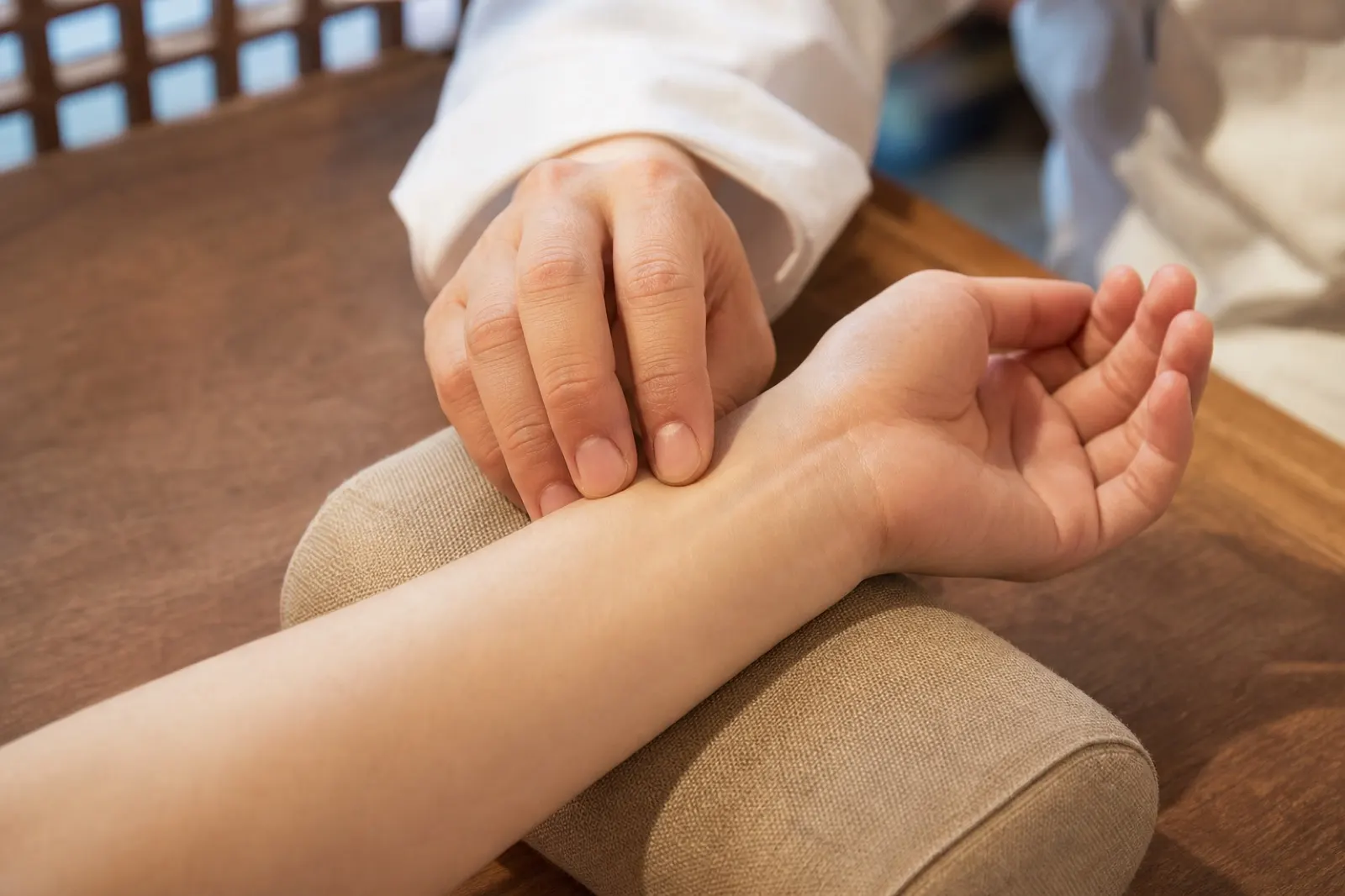
A primary check is performed via blood tests (TSH, T3, T4), and abdominal palpation (腹診) and pulse diagnosis (脈診) · patient consultation (問診). Types are distinguished by checking accompanying patterns, such as whether the patient is easily angered with bloodshot eyes (Liver Fire), experiences rapid weight loss and night sweats (Yin Deficiency), feels pulsating sensations without energy (Heart and Spleen Yang Deficiency), or shows a prominent feeling of a foreign body in the throat and emotional mood swings (Liver Qi Stagnation). The pulse generally tends to beat fast (數), and the color and coating of the tongue are referenced together.
Once the types are organized this way, we determine the next direction together, tailoring it to the constitution and remaining symptoms that were not captured by tests alone.
Frequently Asked Questions about Hyperthyroidism
Can pulsating sensations in the chest or hand tremors remain even after thyroid levels have stabilized?
Even when levels enter the stable range, symptoms may remain because the heat energy (Hwa-gi) has not completely subsided. In such cases, management that examines the constitution and accompanying symptoms together can be considered.
From the perspective of heat and cold, this is viewed as a process where the causes of heat accumulation build up.
- Accumulation of causes that lead to heat concentration
- The body's regulatory functions cannot keep up
- This is seen as manifesting through symptoms such as upward heat or dryness
The process of verification during medical evaluation
Now, we verify when and how your symptoms change
Since the way discomfort manifests can differ even within the same diagnosis, we review existing test results alongside the progression of symptoms.
Pattern Identification (Byeon-jeung)
Symptoms are verified in detail through pulse diagnosis and medical interview
We use pulse diagnosis and patient interviews to identify heat syndrome tendencies and accompanying patterns, then explain the approach best suited to your current condition.
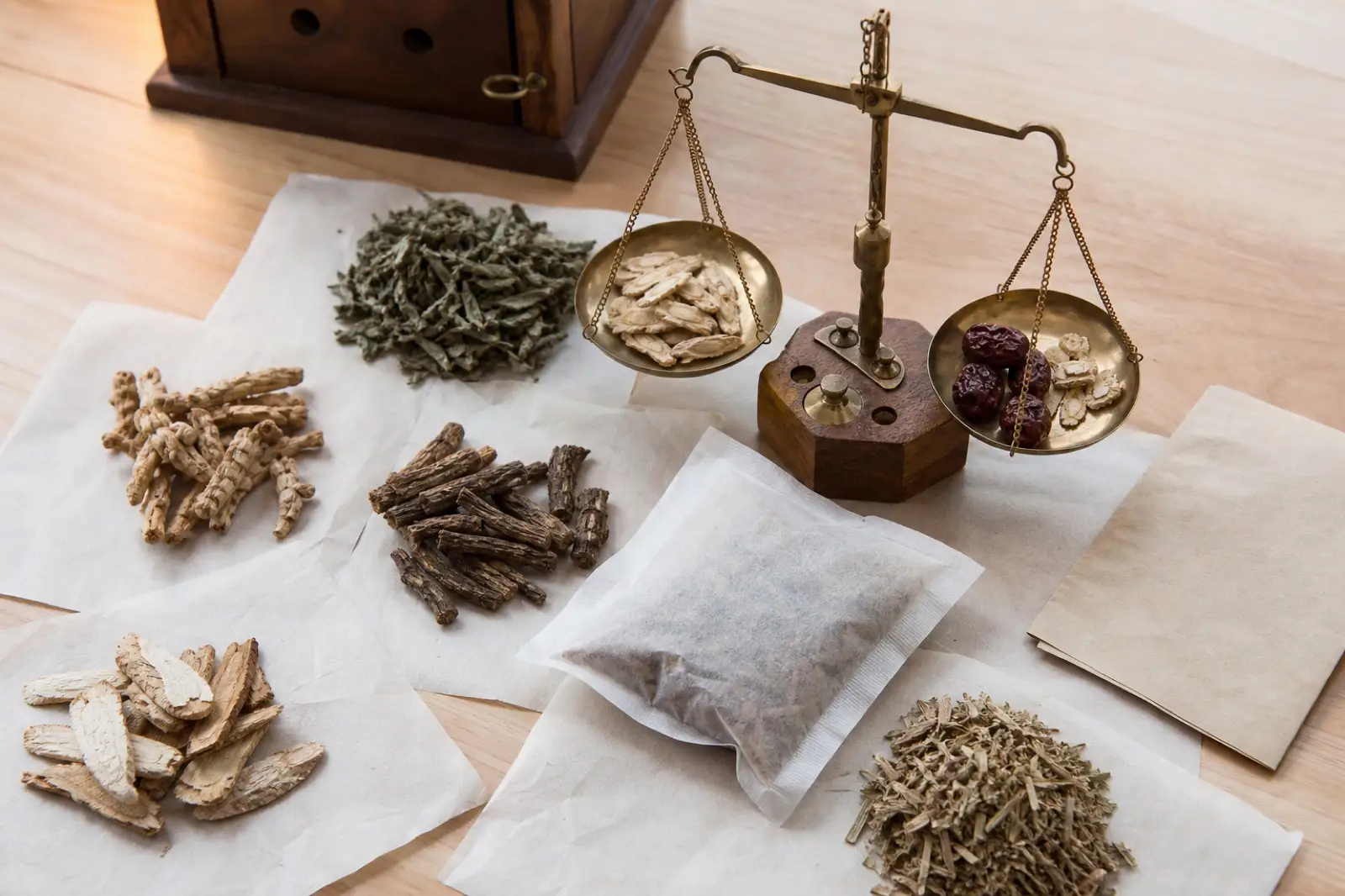
The prescription direction is determined, and changes after administration are verified
Based on the findings from the medical interview and examination, the prescription direction is explained, and the same director oversees everything from preparation to the changes after administration.
 Medical and Content Review
 Baekrokdam's medical standards
Hyperthyroidism: Listening to the progression before the name
We check the timing and area where the feeling of heat begins, along with changes in sweating, thirst, sleep, and nervousness. Even with the same diagnosis, the way the body produces and distributes heat varies; therefore, the categories identified through pulse, tongue, and patient interviews are linked to the Korean herbal medicine prescription and progress monitoring.
"For discomfort that cannot be explained by test results alone, we trace back through the symptoms starting from when they first began."
- Graduated from Kyung Hee University College of Korean Medicine
- Chief Director of Baekrokdam Korean Medicine Clinic
Before Your Consultation
Please make a note of the time when heat rises, its relationship with meals, sleep, and nervousness, as well as any recent tests and medications you are taking.
During Your First Visit
Rather than concluding with a single symptom name, we categorize the onset, aggravating factors, and accompanying symptoms based on the patterns of cold and heat.
Once Treatment Begins
Prescriptions are adjusted based not only on the intensity of discomfort but also on the frequency, recovery time, and changes observed in your daily life.