手足冷症 · Cold Extremities
When coldness in the hands and feet is accompanied by numbness or decreased sensation, we provide guidance on how to distinguish these from Raynaud's phenomenon, thyroid, or nerve issues, including the items examined during a medical evaluation such as the recovery speed after warming.
What to check first
We identify when the symptoms began, situations that worsen them, and any accompanying discomfort.
What to distinguish together
We narrow down the possibilities by comparing similar-looking conditions with previous test results.
What to look for on this page
We provide guidance on major patterns, differential criteria, and the sequence of confirmation during the medical evaluation.
General tests look at circulation indicators such as peripheral blood flow. These symptoms may stem from systemic Qi and Blood causes such as Spleen Yang Deficiency, Liver Qi Stagnation, Kidney Yang Deficiency, or Blood Deficiency, which are examined through pattern identification (Byeonjeung).
Korean medicine diagnosis looks at a different layer than hospital tests: it is not superior, but a different perspective.
Key information at a glance
- Pattern identification is divided into four categories: Spleen Yang Deficiency, Liver Qi Stagnation, Kidney Yang Deficiency, and Blood Deficiency
- Differential diagnosis is performed for Raynaud's syndrome, hypothyroidism, autonomic dysfunction, anemia, and hypotension
- The background of the coldness is identified by interviewing the patient regarding circulation, digestion, emotional factors, and the recovery speed after warming
We look beyond the tests to identify the root cause of your specific case.
Overview
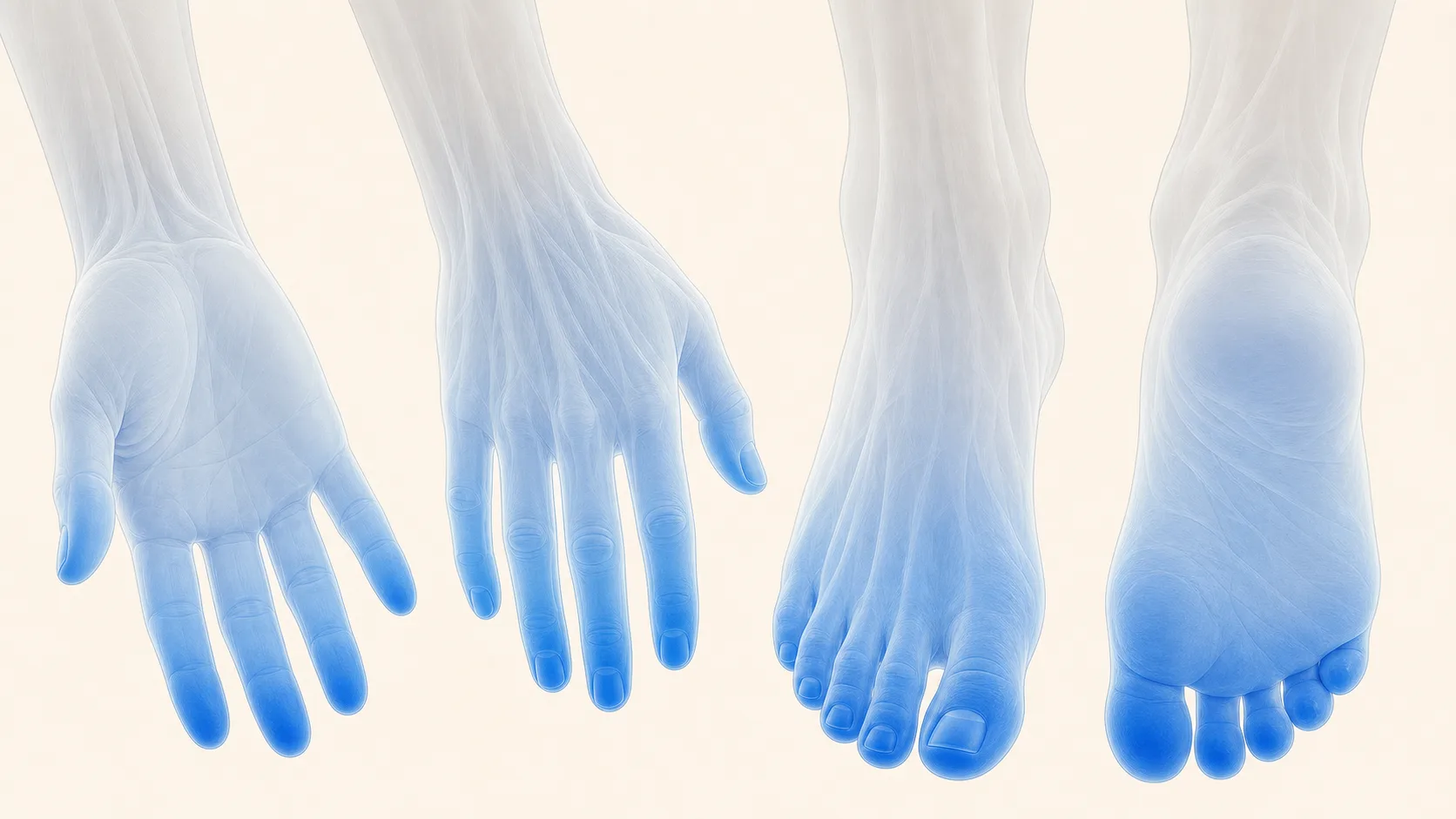
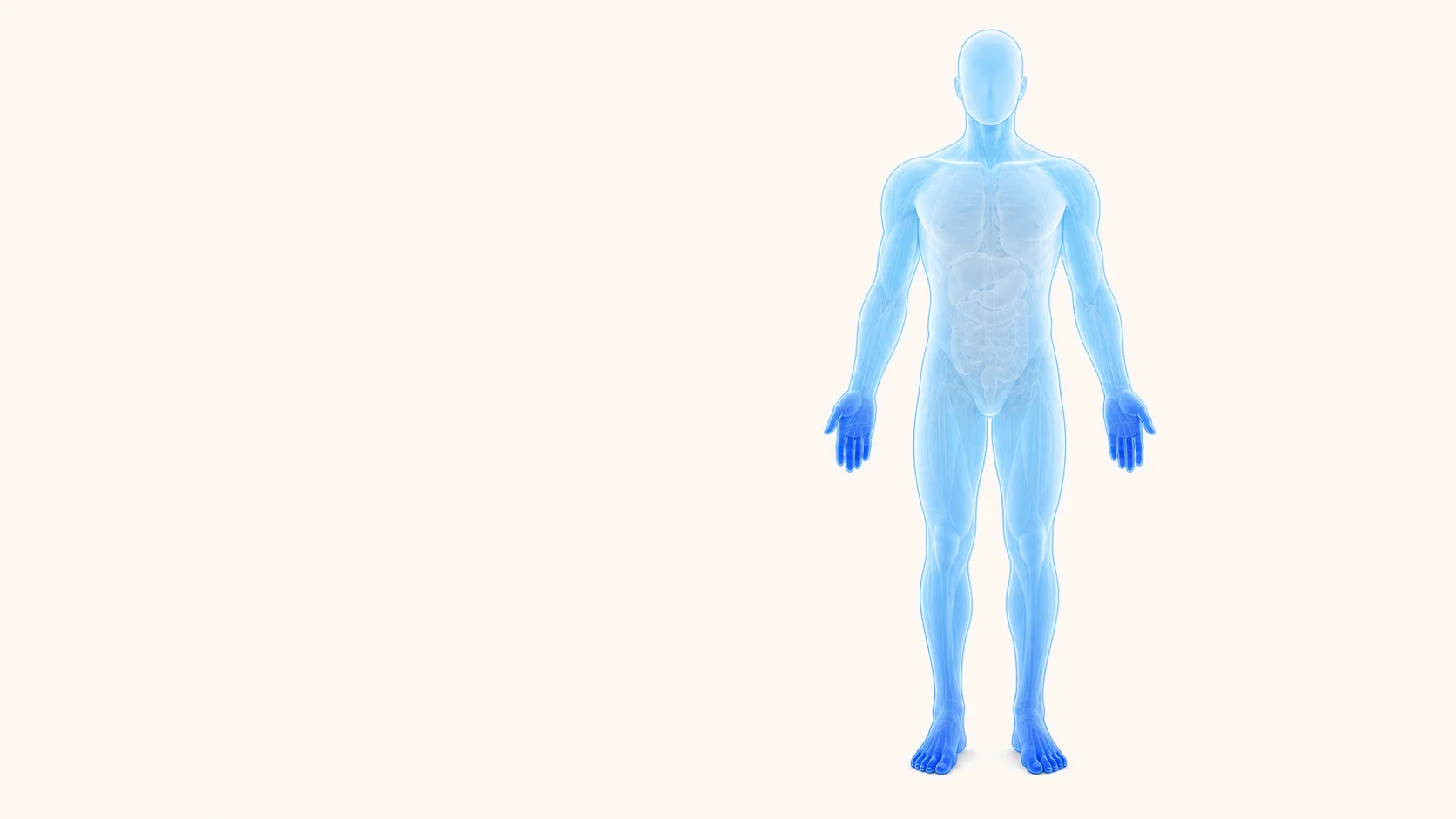
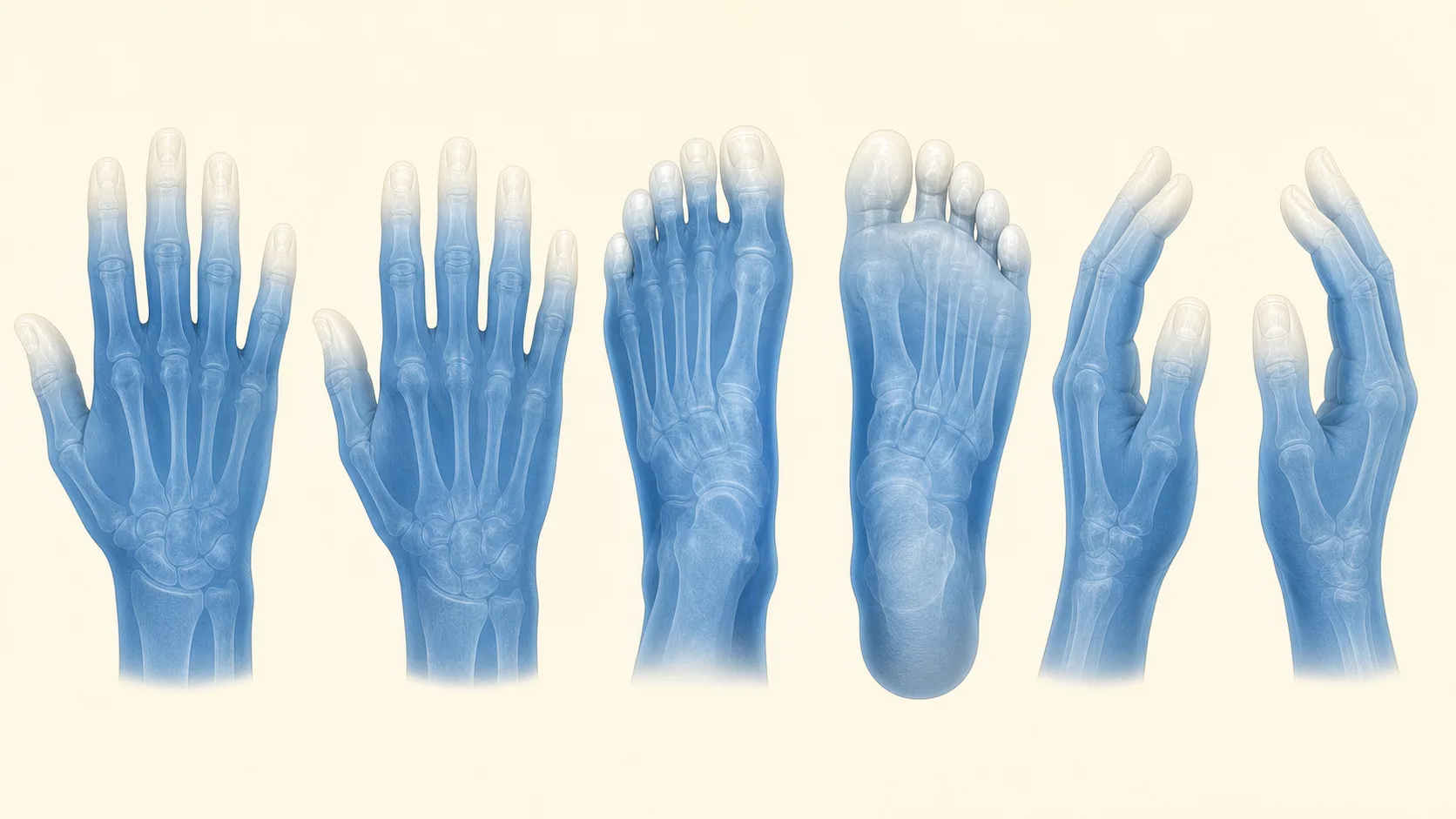
Cold hands and feetrefers to symptoms where the hands and feet are cold and numb, sensation is dulled, or the skin becomes pale. It may be accompanied by menstrual cramps, indigestion, chronic fatigue, or lower body edema. When searching for the "reason for chilly feet," the cause is usually examined within this category.
In Korean medicine, Qi and Blood(氣血) and Yang energy (陽氣) is understood as a state where they do not sufficiently reach the tips of the hands and feet. This is approached not simply as a local circulation problem, but as a systemic issue involving the digestive system, stress, and innate constitution.
Even for the same coldness in the hands and feet, the root differs depending on the internal organs (臟腑). If the Spleen (脾) is weak, the body cannot convert food into warmth, leading to coldness starting from the abdomen; if the Qi of the Liver (肝) is blocked, the generated energy cannot spread to the extremities, and the Kidney (腎) If the yang energy is weak, the fundamental spark that warms the body is insufficient, leading to coldness in the waist and knees. If blood (血) itself is deficient, there are no materials to send to the extremities, causing the hands and feet to become pale. Therefore, a uniform approach using circulation enhancers or nutritional supplements often does not work well.
This is particularly common in women, as blood is easily depleted through menstruation and childbirth, and if the lower abdomen becomes cold, it leads to coldness in the lower body and feet cold sensation. This is why it often starts after childbirth ormenopauseWe also believe that it often starts as a result of such events.
Then, in my case, where does this coldness in the hands and feet come from? Even for the same condition of cold hands and feet, the cause of the cold sensation differs from person to person. Therefore, we look deeper into the single symptom of 'cold hands and feet'.
If you are someone whose hands and feet take a long time to warm up even after keeping them warm, it is necessary to examine the recovery speed separately rather than just the presence of the cold sensation. This lifestyle scenario is If it takes a long time for hands and feet to warm up again after leaving a cold place, what should be examined?explained further in the following section.
In particular, if the coldness in the fingertips and toes persists for more than 20 to 30 minutes after entering a warm indoor environment, and if numbness, color changes, or overall chills occur on the same day, it is better not to dismiss it as simply having a "naturally cold constitution." In such cases, Baekrokdam first analyzes the background of the delayed recovery rather than simply instructing to keep warm, to decide whether to promptly start Korean herbal medicine treatment or to observe lifestyle patterns for a shorter period.
Different types of the same symptom
The causes of cold hands and feet differ for each person. Depending on which organ's warmth is blocked, there are four main types observed in clinical practice.
Spleen Yang Deficiency Type (脾陽虛)
Spleen (脾) yang energy is weak, making the digestive system cold. Because the body cannot produce energy, the abdomen feels cold and diarrhea occurs even after eating very little, and the hands and feet may become colder after meals.
The approach is to warm the spleen to revitalize the digestive fire.
Liver Qi Stagnation Type (肝鬱氣滯)
Due to stress, Liver Qi (肝氣) becomes clumped, preventing energy from spreading to the fingertips and toes. This is accompanied by chest tightness and sighing, and the hands and feet become colder when tense.
The approach is to release the blocked qi to open circulation.
Kidney Yang Deficiency Type (腎陽虛)
A type where the fundamental yang energy that warms the body is insufficient. This occurs when yang energy is congenitally weak or depleted due to childbirth or overwork, leading to coldness in the waist and knees and severe sensitivity to cold.
The approach is to warm the fundamental yang energy.
Blood Deficiency Type (血虛)
A type where blood itself is insufficient, so there is not enough blood to reach the extremities. This is accompanied by dizziness, a pale complexion, and a decrease in menstrual flow.
The approach is to replenish the blood.
When we divide the causes into these four categories, some ideas we have long taken for granted may look a bit different. Let's start by addressing some common misconceptions encountered in the clinic.
Common Misconceptions
"Cold hands and feet can be cured just by taking circulation enhancers."
The root of coldness varies by person, such as the digestive system (Spleen), stress (Liver), fundamental yang energy (Kidney), or blood deficiency. Since the causes differ, the approach must also differ; therefore, a single circulation enhancer often cannot solve the problem uniformly.
"Since my hands and feet are cold, I should just eat plenty of hot foods."
Spleen (脾Spleen constitution, this can actually place a burden on digestion, and for those with a blood deficiency constitution, warmth alone is insufficient. Nourishing the body without matching the specific type can result in indigestion or a sensation of heat.
"Coldness is just a sensitive constitution, not a disease."
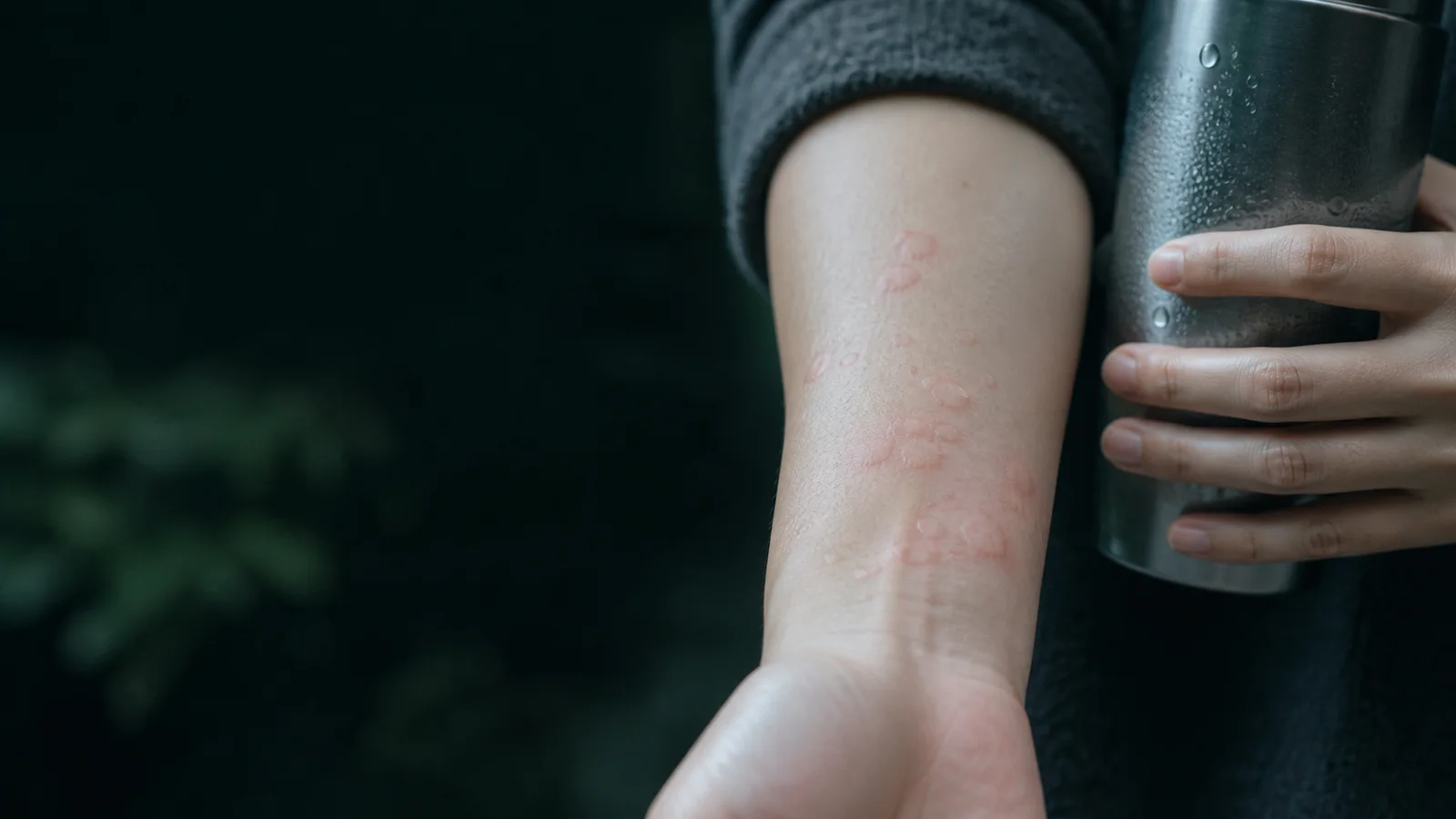
While most cases are constitutional tendencies, if accompanied by color changes (Raynaud's), edema or lethargy (hypothyroidism), or dizziness (anemia), it may be a signal of another disease and requires differential diagnosis.
"It is inevitable for hands and feet to be cold even in summer."
If the feeling of cold persists regardless of the season, it may be a sign of a deficiency in blood or the yang energy that warms the body. Rather than viewing it as simply innate, there is room to examine the specific cause type.
It is also necessary to distinguish this from other conditions that are easy to confuse due to similar symptoms. Below are the clues used to differentiate them.
Points to verify even if symptoms seem similar
Raynaud's Syndrome
When exposed to cold, the color of the fingers changes in the order of pale-blue-red, accompanied by pain. Simple cold hands and feet often involve only coldness without color changes.
Hypothyroidism
As the metabolic rate slows down, one becomes severely sensitive to cold, and edema, weight gain, and lethargy appear prominently.
Autonomic Dysregulation
The ability to regulate temperature is disrupted, leading to a complex appearance of coldness along with palpitations, dizziness, and hyperhidrosis.
Anemia and Hypotension
These occur when there is insufficient blood to send to the extremities or when the pressure pushing it is weak, with dizziness being the primary accompanying symptom.
Therefore, in actual medical evaluation, we read the test values and the signals the body sends together.
How this is evaluated during a medical consultation
Through abdominal examination (腹診) and pulse diagnosis (脈診) · patient consultation (問診), we examine the location of the coldness (fingertips/toes/whole body), accompanying symptoms (menstrual cramps, indigestion, edema, dizziness), and the timing of onset (postpartum, menopause, stress). When necessary, Digital Infrared Thermal Imaging (DITI) is used as reference data for skin temperature distribution, but the cause or pattern identification of cold hands and feet is not determined by a single image alone. Actual skin temperature, the coldness felt by the patient, and the rewarming speed after cold stimulation are different measurements. If color changes, edema, or dizziness are prominent, other diseases are excluded first through related tests.
Before your visit, it is helpful to note both "when it becomes cold" and "how long it takes to warm up after applying heat." Days when it resolves within 5 minutes versus days when it persists for over 30 minutes may look like the same coldness, but the subsequent judgment may differ; this becomes the criterion for deciding whether to manage it with warmth alone or to promptly connect you to Korean herbal medicine treatment or necessary acupuncture treatment.
Once the types are organized this way, we determine the next direction together, tailoring it to the constitution and remaining symptoms that were not captured by tests alone.
Confirmed Details and Points for Further Review
While Korea and Japan have researched cold hands and feet and general coldness using surveys, thermal imaging, heart rate variability, and cold stress tests, diagnostic criteria have not yet been unified. Baekrokdam Research Commons (BRC) has released a research model that does not end the feeling of coldness in the hands and feet with a single whole-body heat/cold score, but instead records the quality of sensation, skin temperature, cold/hot sensation thresholds, rewarming response, life context, and functional impact over time. By presenting the limitations of existing research and subsequent verification questions, this is utilized in actual medical evaluation to more precisely distinguish the different patterns of coldness.
Frequently Asked Questions about Cold Hands and Feet
Could the reason my feet feel cold be something other than a simple circulation problem?
Yes, the approach varies depending on your constitution and the cause. Different management directions are applied for cases caused by a weak digestive system, circulation blocked by stress, a congenital lack of yang energy, or a deficiency in the blood itself.
From the perspective of heat and cold, this is viewed as a process where a cold bias accumulates.
- Accumulation of causes for decreased circulation and Yang energy
- The body's regulatory functions cannot keep up
- This is seen as manifesting as symptoms of cold hypersensitivity and decreased circulation
The process of verification during medical evaluation
Now, we verify when and how your symptoms change
Since the way discomfort manifests can differ even within the same diagnosis, we review existing test results alongside the progression of symptoms.
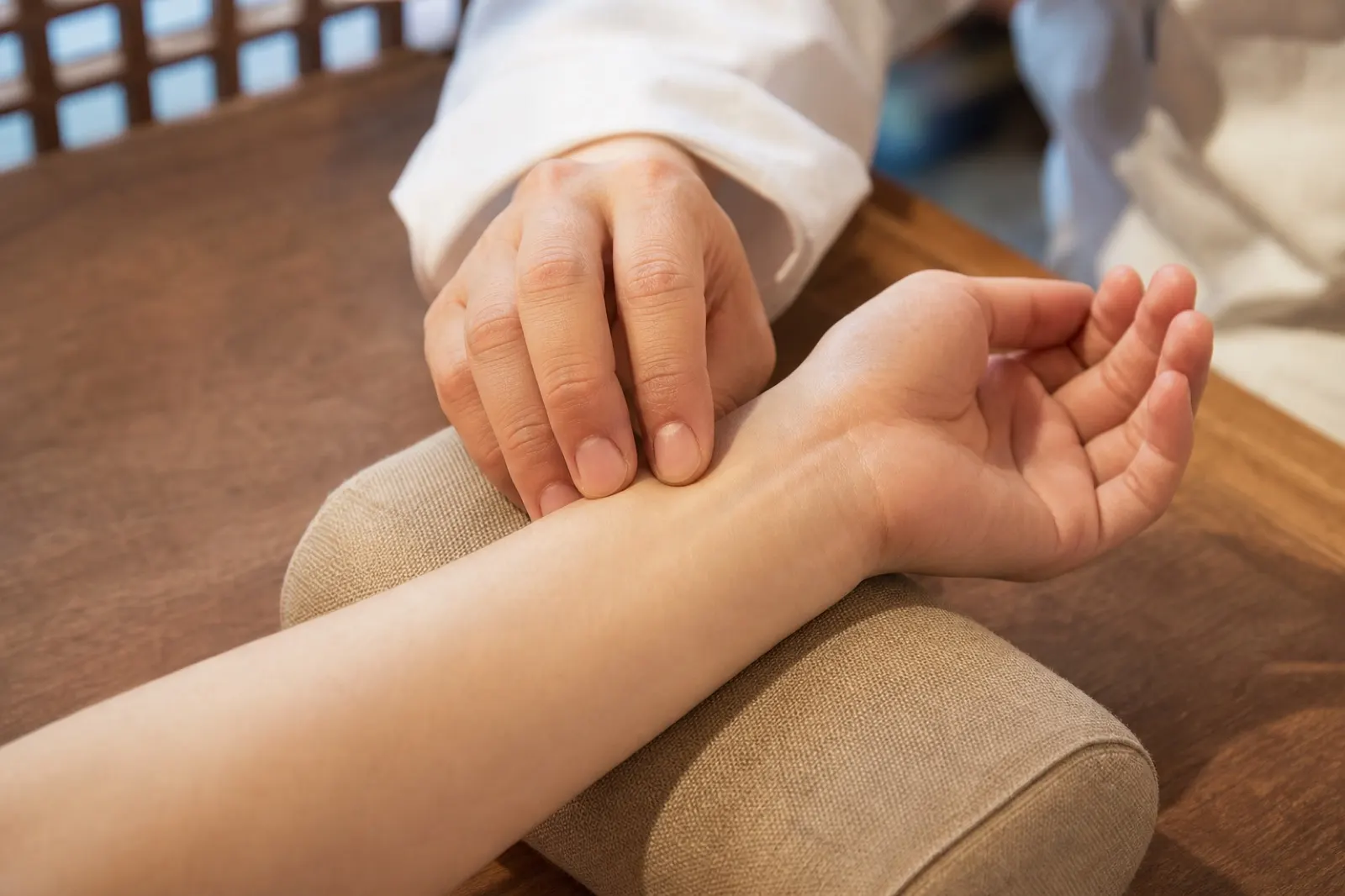
Pattern Identification (Byeon-jeung)
Symptoms are verified in detail through pulse diagnosis and medical interview
Through pulse diagnosis and medical interview, we identify tendencies toward cold hypersensitivity and accompanying patterns, and explain the approach suited to your current condition.
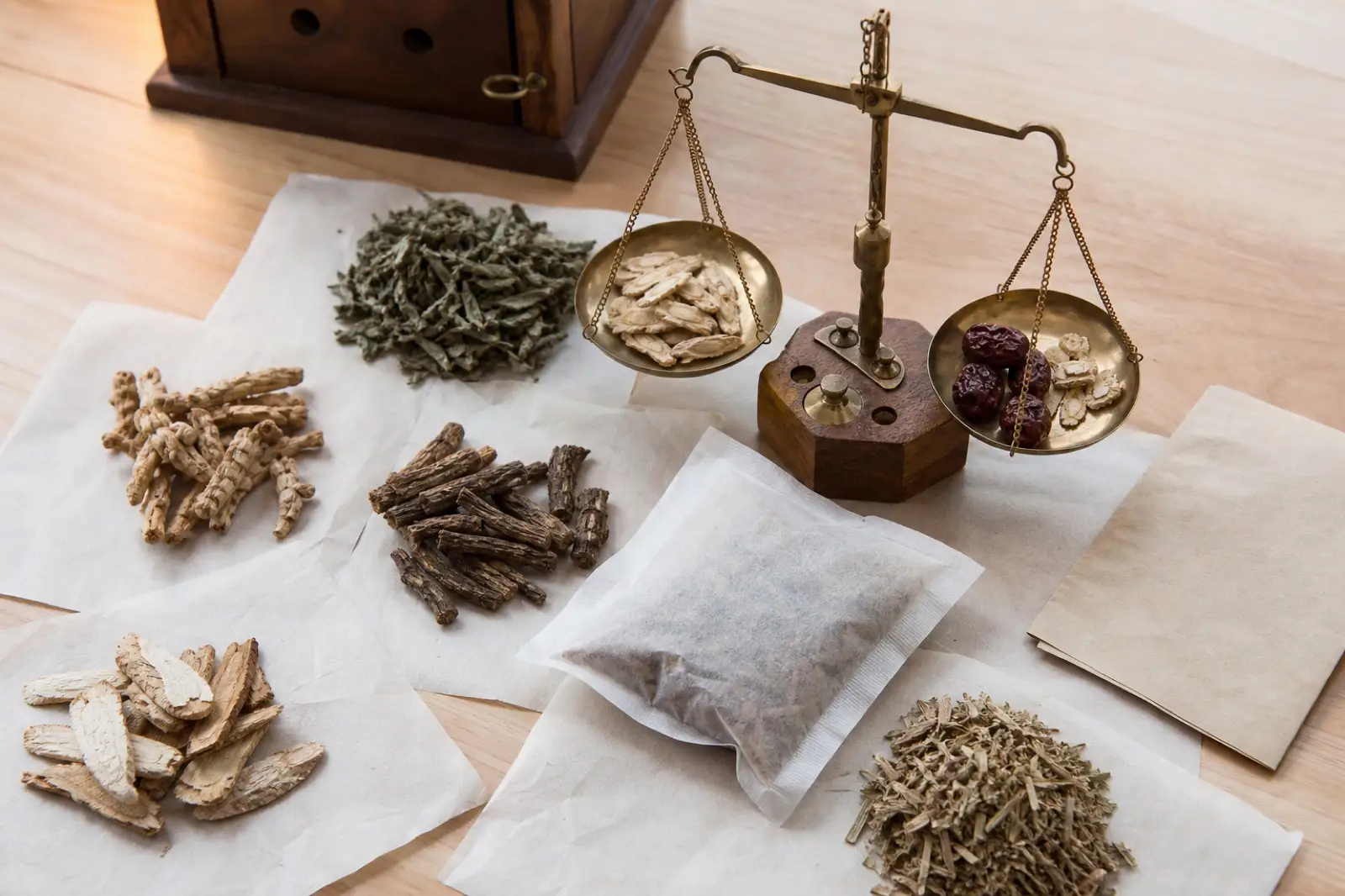
The prescription direction is determined, and changes after administration are verified
Based on the findings from the medical interview and examination, the prescription direction is explained, and the same director oversees everything from preparation to the changes after administration.
 Medical and Content Review
 Baekrokdam's medical standards
Cold Hands and Feet: We prioritize the clinical course over the name of the condition
We check the areas where coldness lingers, the recovery speed, digestion, fatigue, sleep, and reactions to temperature changes. Because the way the body generates and distributes heat differs even for the same diagnosis, the patterns identified through pulse, tongue, and medical interviews are linked to the Korean herbal medicine prescription and follow-up.
"For discomfort that cannot be explained by test results alone, we trace back through the symptoms starting from when they first began."
- Graduated from Kyung Hee University College of Korean Medicine
- Chief Director of Baekrokdam Korean Medicine Clinic
Before Your Consultation
Please make a note of the times and areas where the cold sensation is most severe, how long the warmth lasts after applying heat, and any recent tests or medications you are taking.
During Your First Visit
Rather than concluding with a single symptom name, we categorize the onset, aggravating factors, and accompanying symptoms based on the patterns of cold and heat.
Once Treatment Begins
Prescriptions are adjusted based not only on the intensity of discomfort but also on the frequency, recovery time, and changes observed in your daily life.