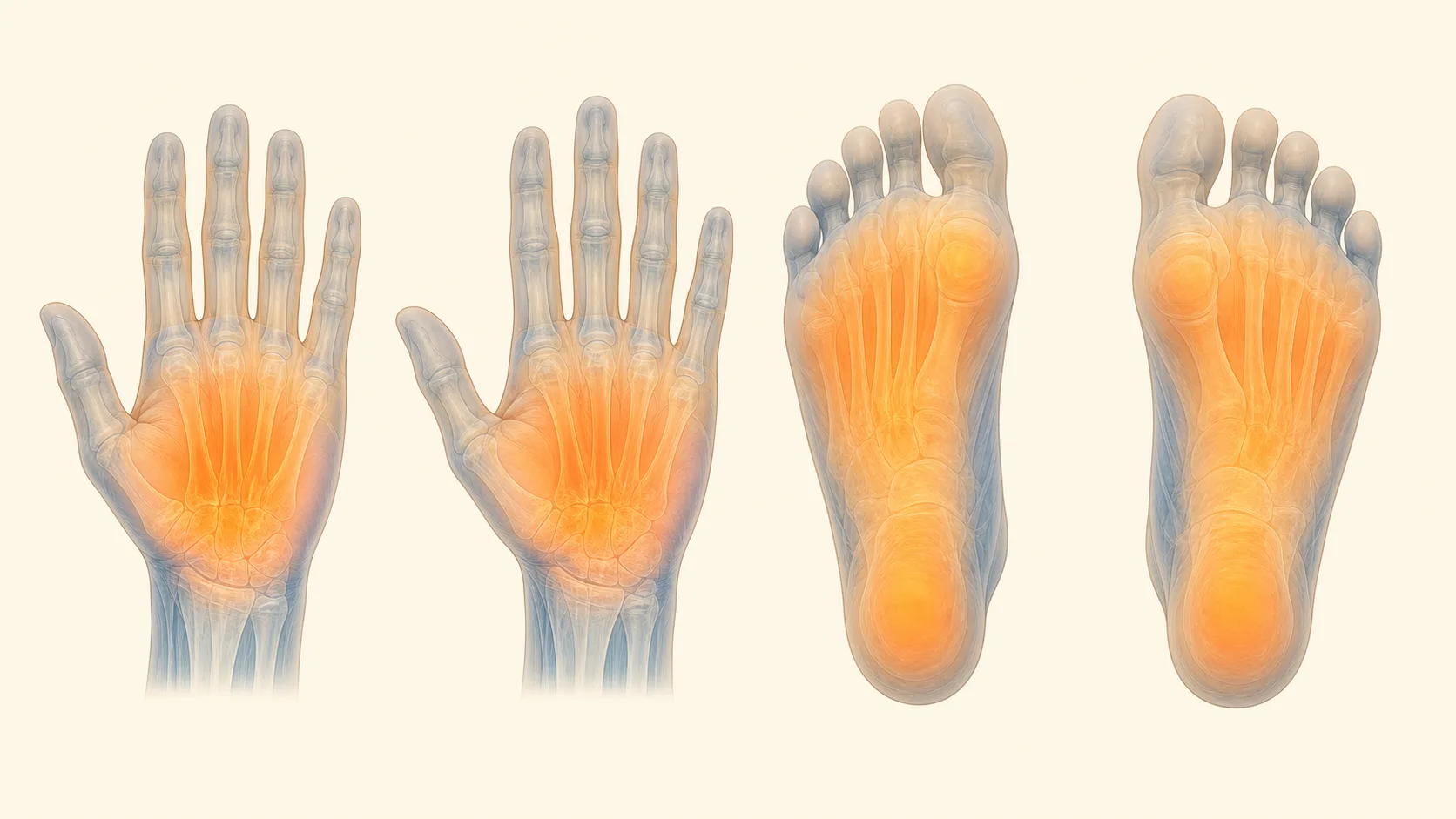

火病 · Hwa-byung
When chest tightness, heat sensations, discomfort in the epigastric area, or difficulty controlling anger recur, we provide guidance on the characteristics of Hwabyung, related conditions to check, and the physical and mental changes observed during medical evaluation.
What to check first
We identify when the symptoms began, situations that worsen them, and any accompanying discomfort.
What to distinguish together
We narrow down the possibilities by comparing similar-looking conditions with previous test results.
What to look for on this page
We provide guidance on major patterns, differential criteria, and the sequence of confirmation during the medical evaluation.
General examinations look at psychological scales such as depression and anxiety. These symptoms may be a constitutional manifestation where suppressed Qi (vital energy) has condensed into Hwa (fire), which is analyzed through pattern identification (Byeonjeung).
Korean medicine diagnosis looks at a different layer than hospital tests: it is not superior, but a different perspective.
Key information at a glance
- Pattern identification is divided into four categories: Liver Qi Stagnation, Heart Fire Blazing, Yin Deficiency with Fire Flaring, and Deficiency of both Qi and Blood.
- We differentiate these from depression, panic disorder, menopausal syndrome, angina, and reflux esophagitis.
- We use medical interviews to examine the underlying causes of persistent chest tightness and sensations of heat that occur without a specific diagnosis.
We look beyond the tests to identify the root cause of your specific case.
Overview
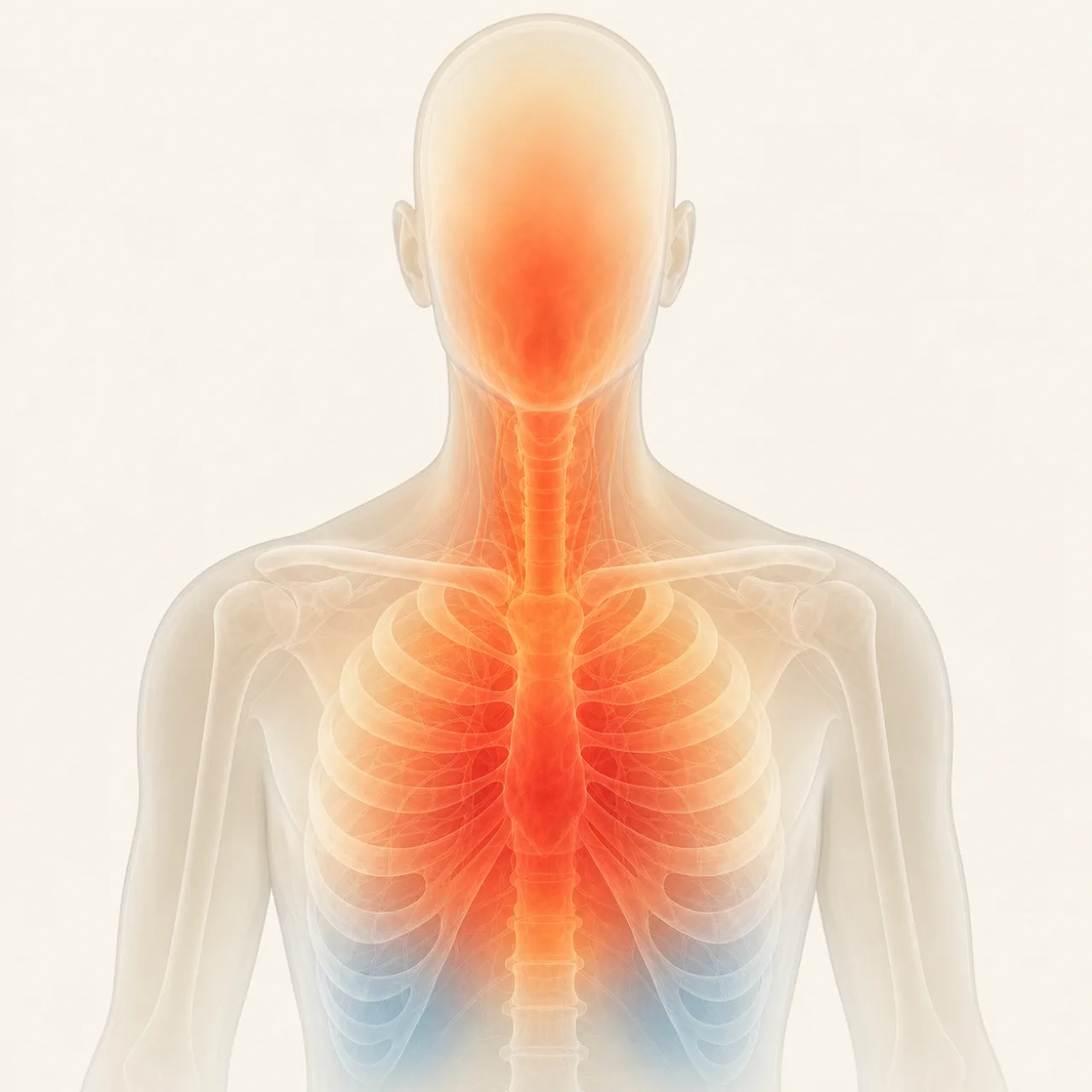
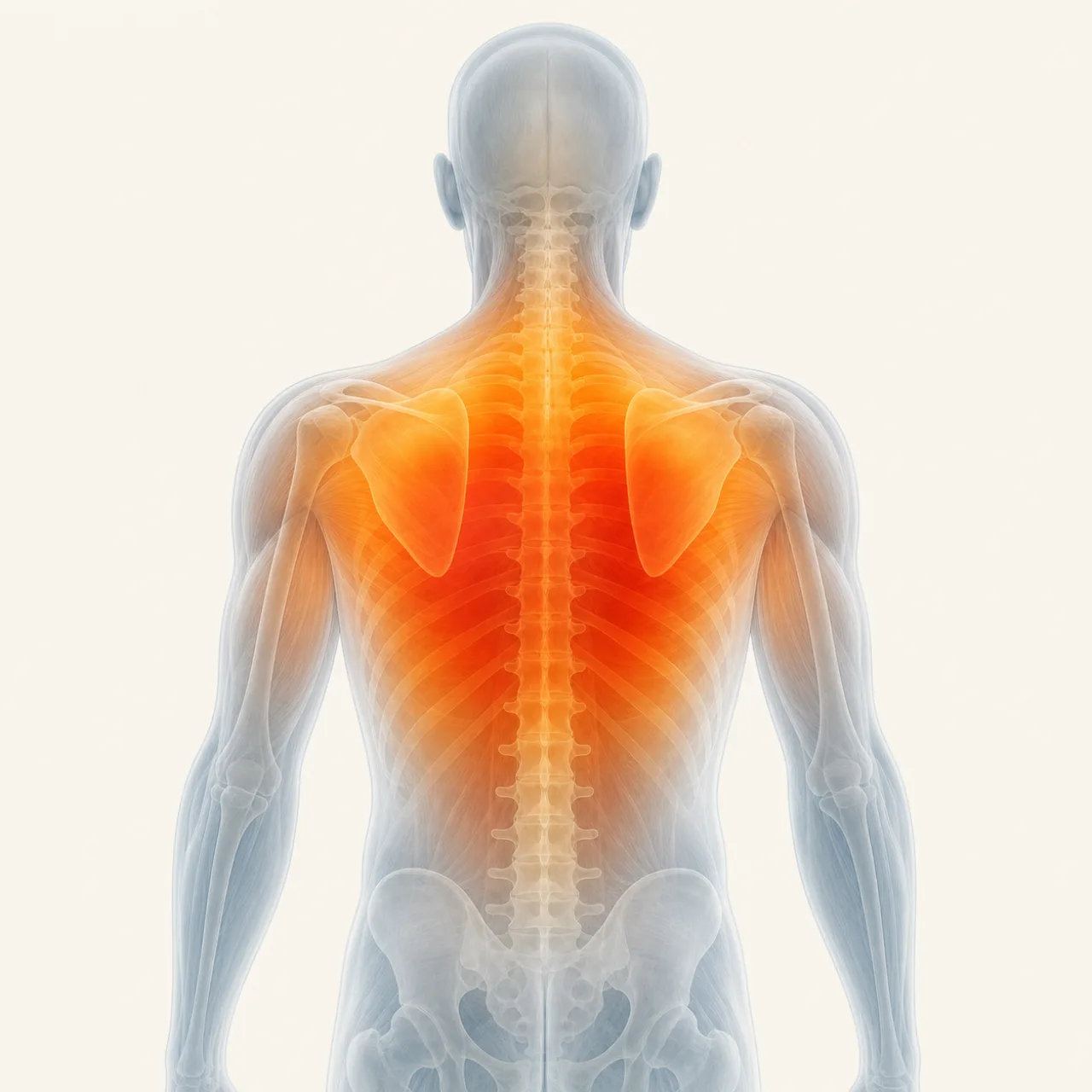
Hwabyung (anger syndrome)(火病) is a condition where long-term unresolved resentment and anger accumulate, manifesting as chest tightness, Heat sensation, tenderness in the epigastric area, and difficulty controlling anger. It may be accompanied by insomnia, headaches, indigestion, and palpitations. It commonly appears in those who have suppressed their emotions for a long time, and is characterized by a clear emotional background of resentment stemming from specific events or relationships.
In Korean medicine, it is understood as a state where suppressed Qi (氣) transforms into Hwa (fire,火) and surges upward. Emotions should naturally be released through the flow of Qi, but when suppressed for a long time, Qi becomes blocked in one place (鬱) and turns into heat. When this Hwa rises, it manifests as tightness and sensations of heat in the chest and face.
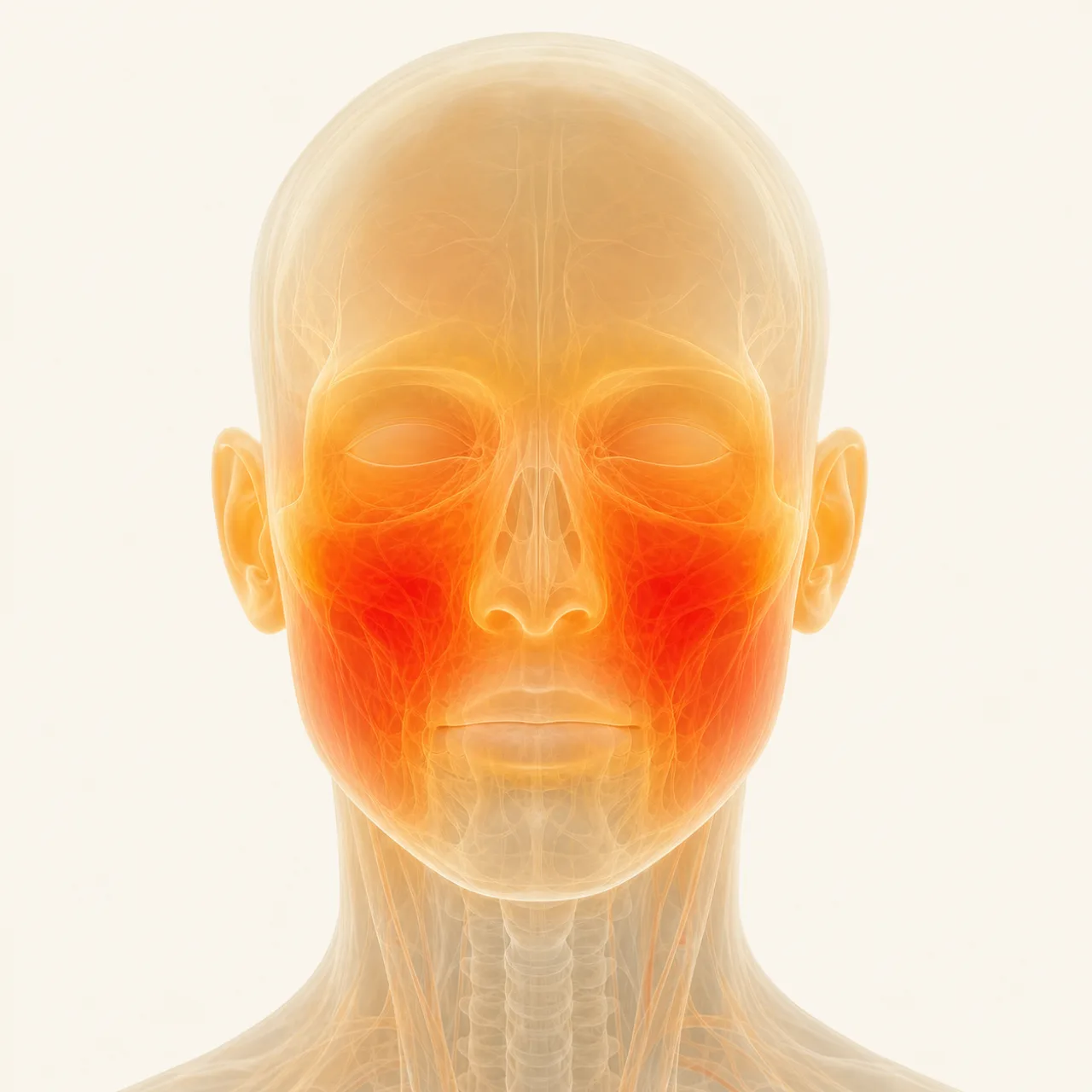
In terms of the internal organs (臟腑) From this perspective, the Liver (肝) and Heart (心) is at the center of Hwabyung. The Liver (肝) is responsible for the flow of emotions and Qi, so suppressed emotions first block the Liver Qi (肝氣), which manifests as a feeling of tightness or congestion in the flanks and chest. When this blocked Qi turns into fire and disturbs the Heart (心), it leads to palpitations, insomnia, and outbursts of anger, as the Heart governs the mind and the chest. If this fire rises to the face, Heat sensation in the upper body·Facial flushingit becomes flushing, and if it clumps in the solar plexus (the area of the Jeonjung acupuncture point), it becomes tenderness that hurts when pressed.
Hwabyung (anger syndrome) varies in appearance depending on the stage of progression. In the early stages, the central symptom is a feeling of congestion due to blocked Qi, but over time, the fire burns the body fluids (陰), leading to a pattern of deficiency heat (虛熱) where a mild fever occurs at night; if it lasts even longer, the entire body becomes depleted and lethargic. Therefore, even for the same Hwabyung, we must examine when it started and how long it has persisted.
Then, in my case, where do this congestion and heat come from? Even with the same Hwabyung, the process by which suppressed Qi turns into fire and the organs where it settles differ from person to person. Therefore, we look deeper into the single symptom called 'Hwabyung'.
Different types of the same symptom
Hwabyung is divided into four types depending on the stage of progression and which organ the fire has settled in.
Liver Qi Stagnation type (肝氣鬱結)
This is the early stage. Since the Liver (肝) connects to the flanks and chest, when Qi is blocked, the chest and flanks feel tight and congested, sighs become frequent, and a sensation of a foreign body in the throat (Maehaekgi) occurs. This type has clear fluctuations, where symptoms worsen when suppressing emotions and lighten when they are released.
The approach is to release and facilitate the flow of blocked Qi.
Heart-Fire Inflammation Type (心火上炎)
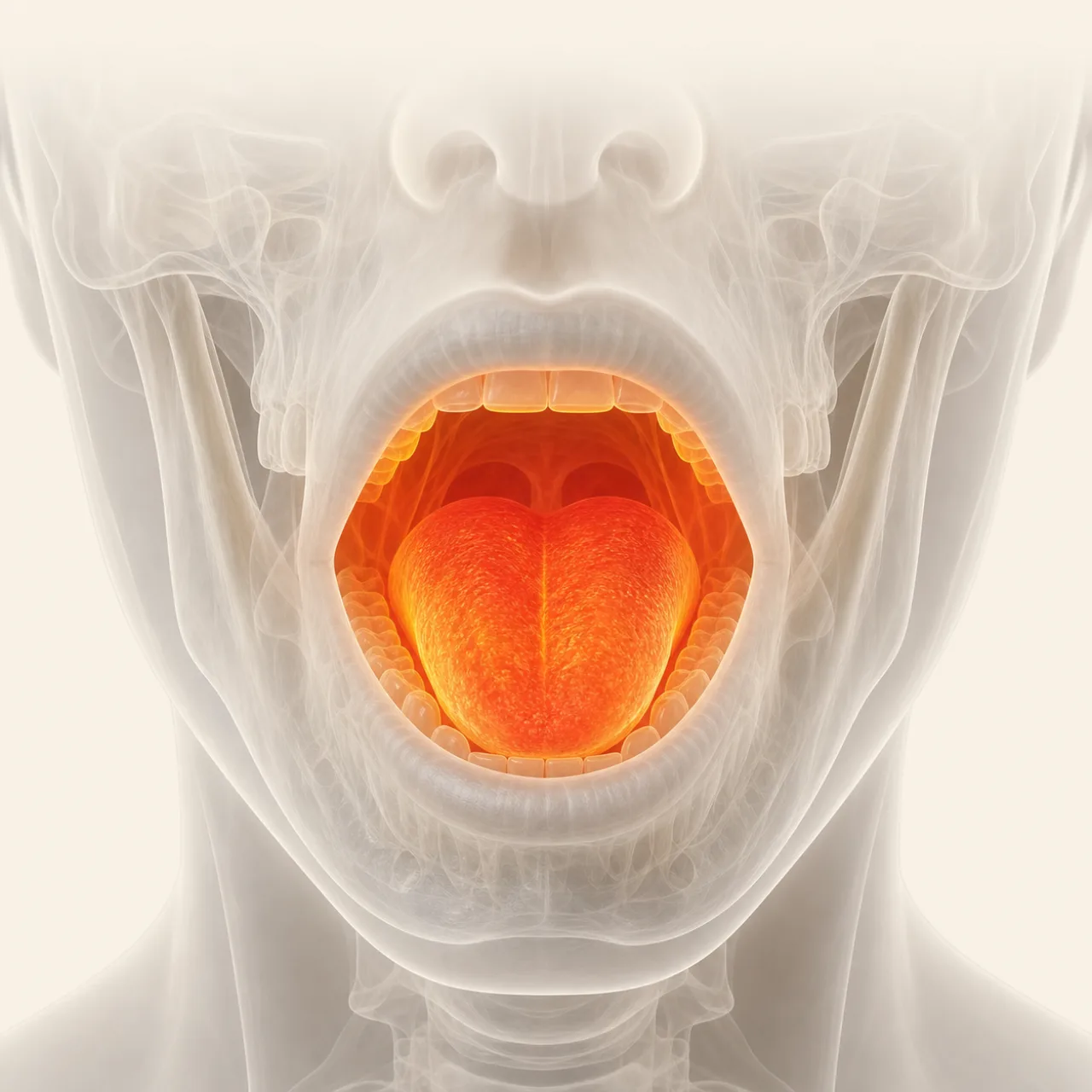
This is a type where blocked Qi has turned into fire and surged toward the Heart (心). Since the Heart connects to the face, tongue, and chest, the face becomes red, the mouth and tongue dry out, the tip of the tongue may become sore, and sudden bursts of anger occur along with palpitations. It may also be difficult to fall asleep, and dreams may increase.
The approach is to lower the surging Heart-fire.
Yin Deficiency with Fire Type (陰虛火旺)
This is the chronic stage. Fire that has burned for a long time dries up the body fluids (陰), resulting in a mild fever at night, accompanied by night sweats, anxiety, and a sensation of heat in the palms and soles. The face shows flushing, but the body is thin and exhausted.
The approach is to replenish the deficient Yin to calm the deficiency heat.
Qi and Blood Deficiency Type (氣血兩俱)
This is a type where both Qi and Blood have been depleted due to long-term suffering. It is a state of burnout after the fire has completely burned out, characterized by lethargy, frequent crying, a feeling of emptiness in the chest, and a decline in memory and concentration.
The approach is to supplement the depleted Qi and Blood to help the body recover.
When the causes and stages of progression are divided this way, a few things that were previously taken for granted look a bit different. Let's start by addressing some common misunderstandings encountered in the clinic.
Common Misconceptions
"Hwabyung is a matter of the mind, so it will pass if you just endure it."
Hwabyung (anger syndrome) begins with emotions, but over time, it manifests as actual physical symptoms such as chest tightness, tenderness in the epigastric region (the pit of the stomach), and insomnia. Suppressing these emotions further blocks the flow of Qi and intensifies the anger; therefore, an approach that releases the flow is necessary rather than simply enduring it.
"My chest feels tight and painful, so it must be heart disease."
While chest pain must be differentiated through cardiac examinations, Hwabyung often involves feelings of tightness and pain even when cardiac tests are normal. If you have been told that there are no abnormalities in your tests, there is room to approach the condition from the perspective of heat and Qi stagnation (氣鬱)
"Only older women get Hwabyung."
Although it is commonly known to affect women after middle age, it can occur regardless of gender or age if suppressed emotions accumulate over a long period. It is also observed in young people experiencing chronic stress from workplace or family relationships.
"If my epigastric region or chest feels tight, I can just fix it with digestive medicine."
The tightness in the epigastric region associated with Hwabyung is not a digestive issue but a stagnation of Qi, so it is not easily resolved with digestive medicine. If symptoms fluctuate according to your emotional state, it should be examined separately from digestive problems.
Since chest tightness, heat sensations, and throbbing can be similar, it is necessary to distinguish Hwabyung from other conditions that are easily confused. Below are clues to help differentiate them.
Points to verify even if symptoms seem similar
Depression
While depression centers on low energy and sadness, Hwabyung is characterized by prominent feelings of unfairness, anger, and physical symptoms. However, since the two can overlap, we determine whether a consultation with a psychiatry department is necessary.
Panic Disorder
Unlike panic disorder, which is characterized by sudden fear of death and panic attacks, Hwabyung involves chronic tightness and anger resulting from continuous stress.
Menopausal Syndrome
Facial flushing and heat sensations are similar, but Hwabyung differs in that it has a clear psychological trigger and an emotional background of feeling wronged.
Angina and Cardiovascular Disease
Differentiation is essential when chest pain is present; Hwabyung often involves pain despite no abnormalities found in cardiac tests.
Reflux Esophagitis
Heartburn and a foreign body sensation in the throat may overlap, but Hwabyung is characterized by symptoms that are not resolved by antacids and change according to the psychological state.
Therefore, in actual clinical practice, we identify the type by examining the emotional state and physical symptoms together through epigastric tenderness, changes in the pulse, and patient interviews.
How this is evaluated during a medical consultation
Abdominal examination (tenderness of the Jeonjung point), pulse diagnosis (脈診), and Hwabyung scale tests are referenced. We distinguish the stage and type by checking for epigastric tenderness, the degree of anger control, the trigger (feelings of unfairness or conflict), and whether symptoms fluctuate based on emotion. We examine whether it is an early stage of Qi stagnation (氣鬱), a stage that has turned into fire, a stage of deficiency heat where bodily fluids have dried up, or a state of exhaustion.
Once the type and stage are determined, we examine how the initial feeling of unfairness settled in the body and what symptoms remain to decide the next direction of treatment.
Frequently Asked Questions About Hwabyung
How is Hwabyung different from depression?
While depression centers on low energy and sadness, Hwabyung often presents with distinct physical symptoms, such as chest tightness, alongside feelings of unfairness and anger.
From the perspective of heat and cold, this is viewed as a process where the causes of heat accumulation build up.
- Accumulation of causes that lead to heat concentration
- The body's regulatory functions cannot keep up
- This is seen as manifesting through symptoms such as upward heat or dryness
The process of verification during medical evaluation
Now, we verify when and how your symptoms change
Since the way discomfort manifests can differ even within the same diagnosis, we review existing test results alongside the progression of symptoms.
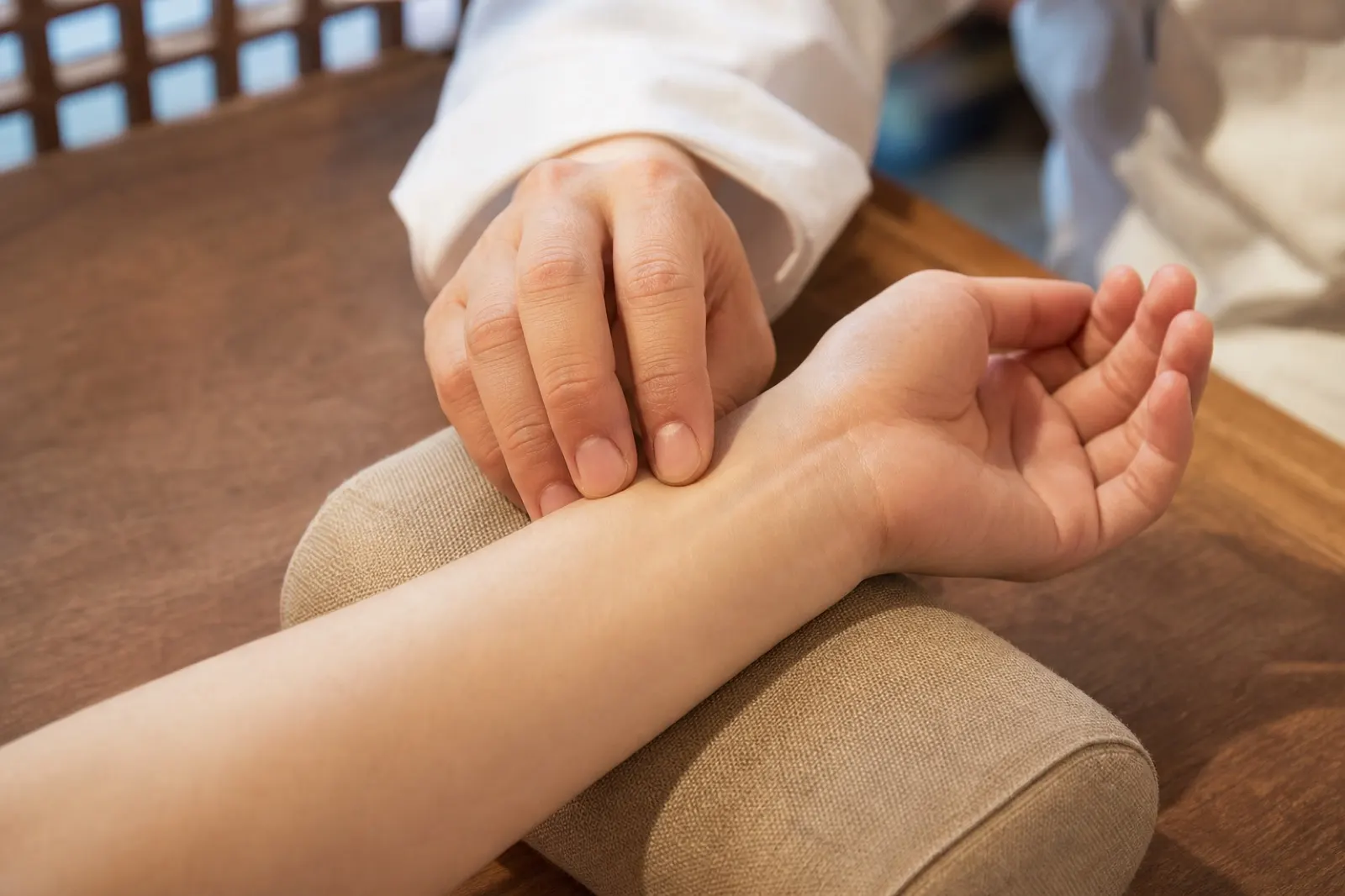
Pattern Identification (Byeon-jeung)
Symptoms are verified in detail through pulse diagnosis and medical interview
We use pulse diagnosis and patient interviews to identify heat syndrome tendencies and accompanying patterns, then explain the approach best suited to your current condition.
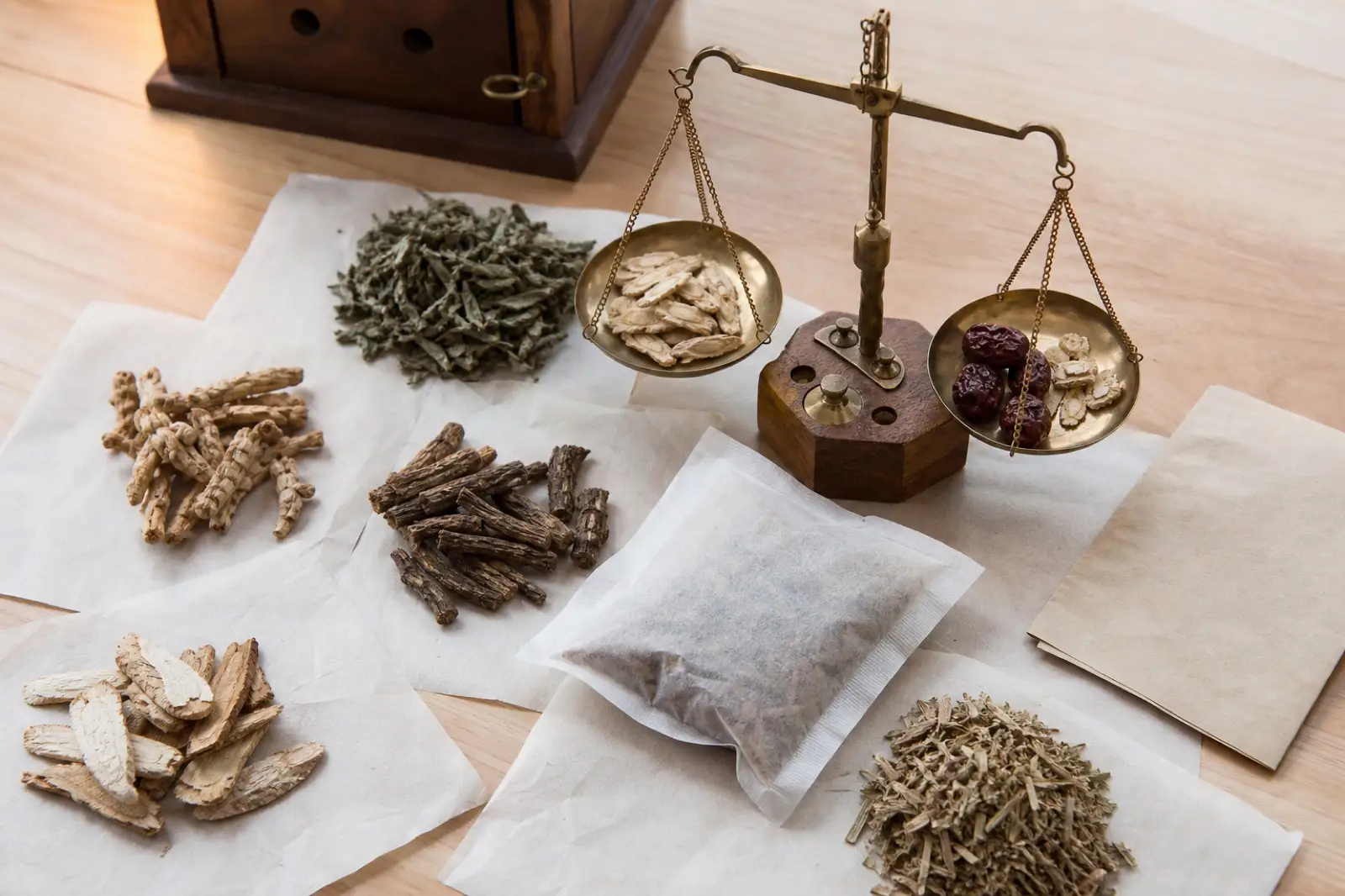
The prescription direction is determined, and changes after administration are verified
Based on the findings from the medical interview and examination, the prescription direction is explained, and the same director oversees everything from preparation to the changes after administration.
 Medical and Content Review
 Baekrokdam's medical standards
Hwabyung: Prioritizing the clinical course over the name
We check the timing and area where the feeling of heat begins, along with changes in sweating, thirst, sleep, and nervousness. Even with the same diagnosis, the way the body produces and distributes heat varies; therefore, the categories identified through pulse, tongue, and patient interviews are linked to the Korean herbal medicine prescription and progress monitoring.
"For discomfort that cannot be explained by test results alone, we trace back through the symptoms starting from when they first began."
- Graduated from Kyung Hee University College of Korean Medicine
- Chief Director of Baekrokdam Korean Medicine Clinic
Before Your Consultation
Please make a note of the time when heat rises, its relationship with meals, sleep, and nervousness, as well as any recent tests and medications you are taking.
During Your First Visit
Rather than concluding with a single symptom name, we categorize the onset, aggravating factors, and accompanying symptoms based on the patterns of cold and heat.
Once Treatment Begins
Prescriptions are adjusted based not only on the intensity of discomfort but also on the frequency, recovery time, and changes observed in your daily life.