Raynaud's Syndrome
We provide information on the characteristics of Raynaud's phenomenon, as well as the tests and medical evaluations used to distinguish it from other causes, for when hands and feet turn white or blue and experience numbness or pain following exposure to cold or stress.
What to check first
We identify when the symptoms began, situations that worsen them, and any accompanying discomfort.
What to distinguish together
We narrow down the possibilities by comparing similar-looking conditions with previous test results.
What to look for on this page
We provide guidance on major patterns, differential criteria, and the sequence of confirmation during the medical evaluation.
General examinations check for structural abnormalities in the blood vessels themselves. These symptoms may be due to constitutional causes that trigger vascular spasms, such as Yang deficiency, Qi stagnation and blood stasis, or Cold response, which are analyzed through pattern identification (Byeonjeung).
Korean medicine diagnosis looks at a different layer than hospital tests: it is not superior, but a different perspective.
Key information at a glance
- Pattern identification is divided into four categories: Yang deficiency, Qi stagnation and blood stasis, Cold response, and Spleen Qi deficiency
- Differential diagnosis is performed to distinguish it from simple cold hands and feet, scleroderma, lupus, carpal tunnel syndrome, and peripheral neuropathy
- The pattern of color change in response to cold and stress is confirmed through medical interview
We look beyond the tests to identify the root cause of your specific case.
Overview
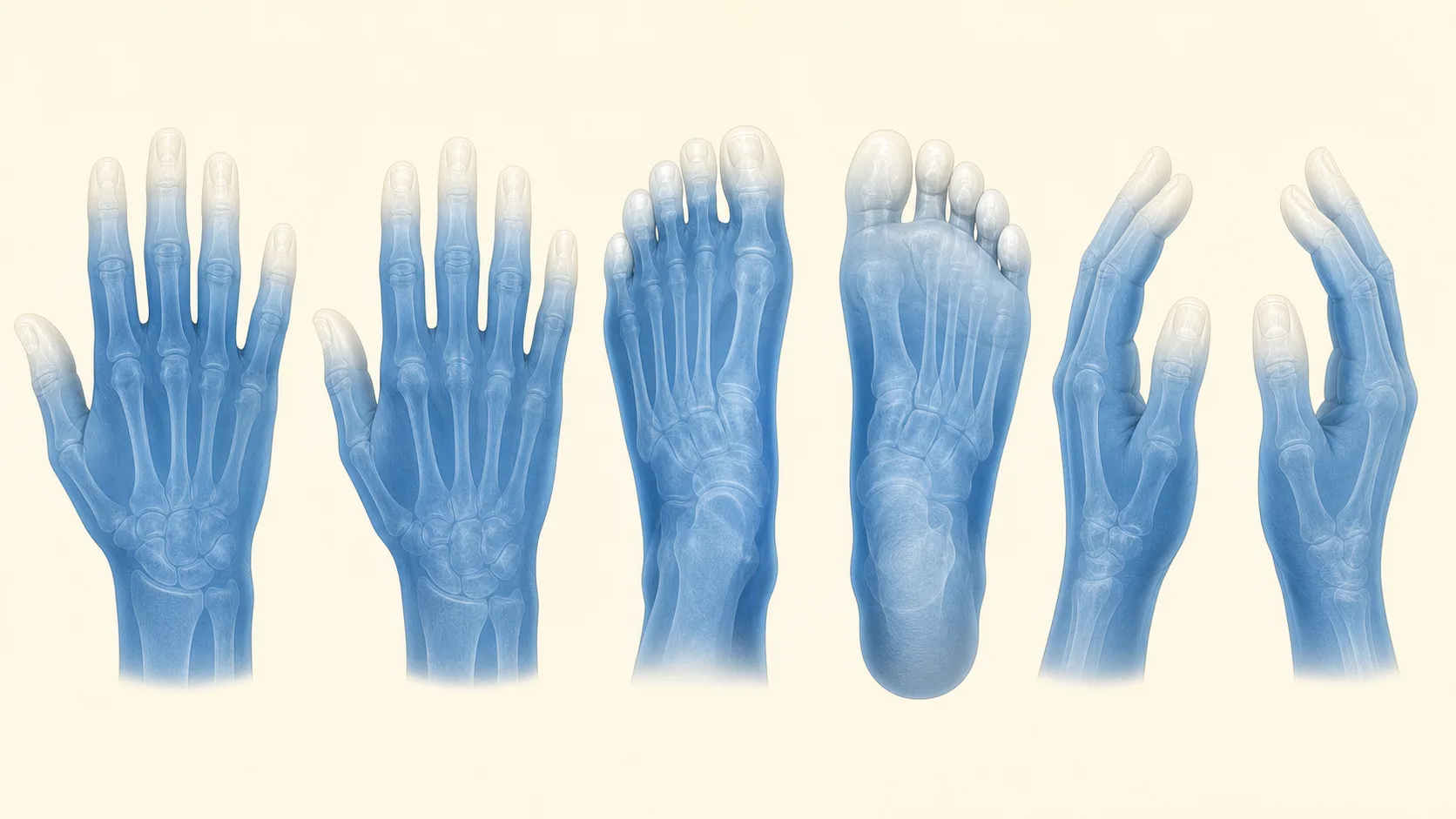
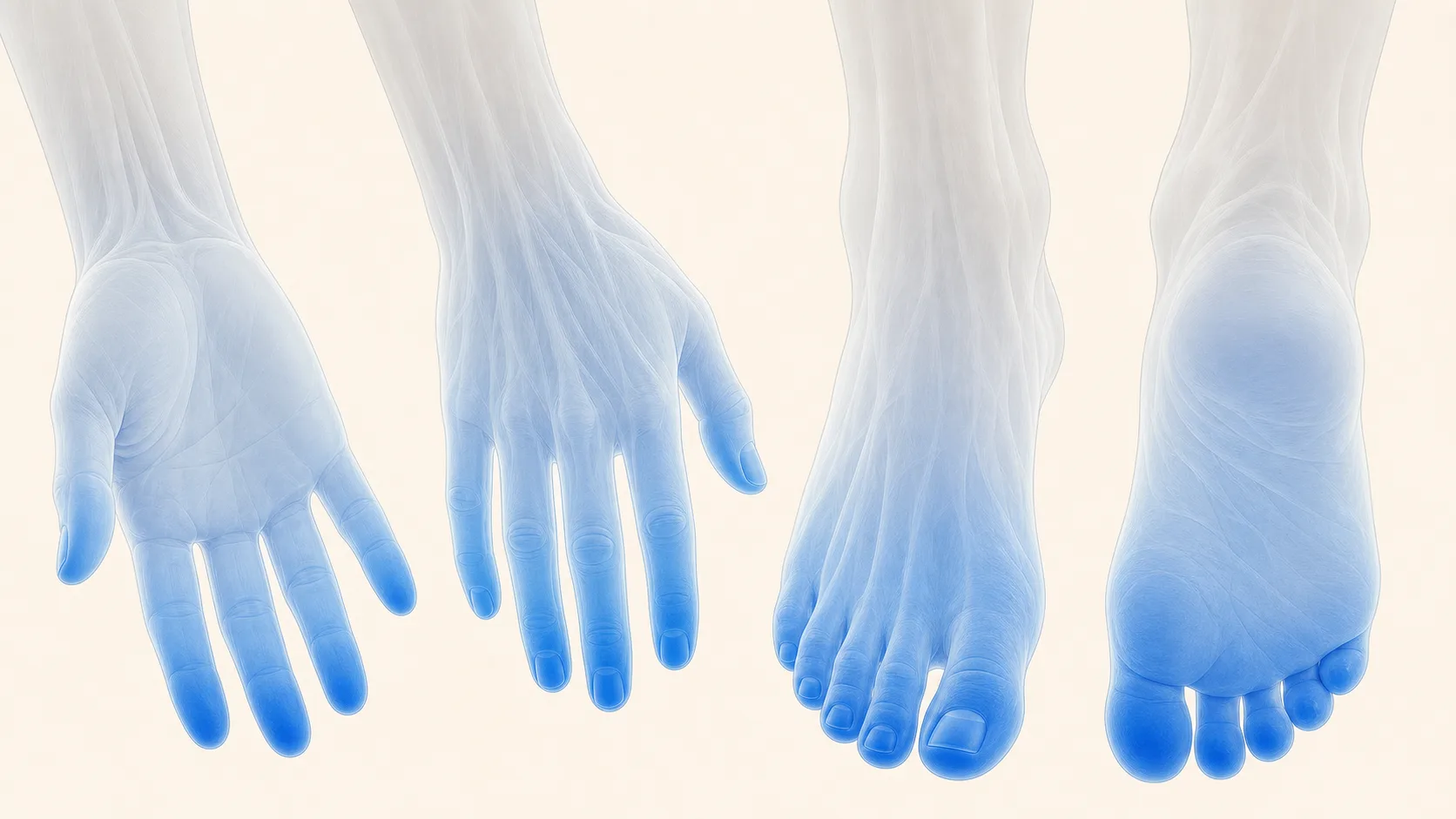
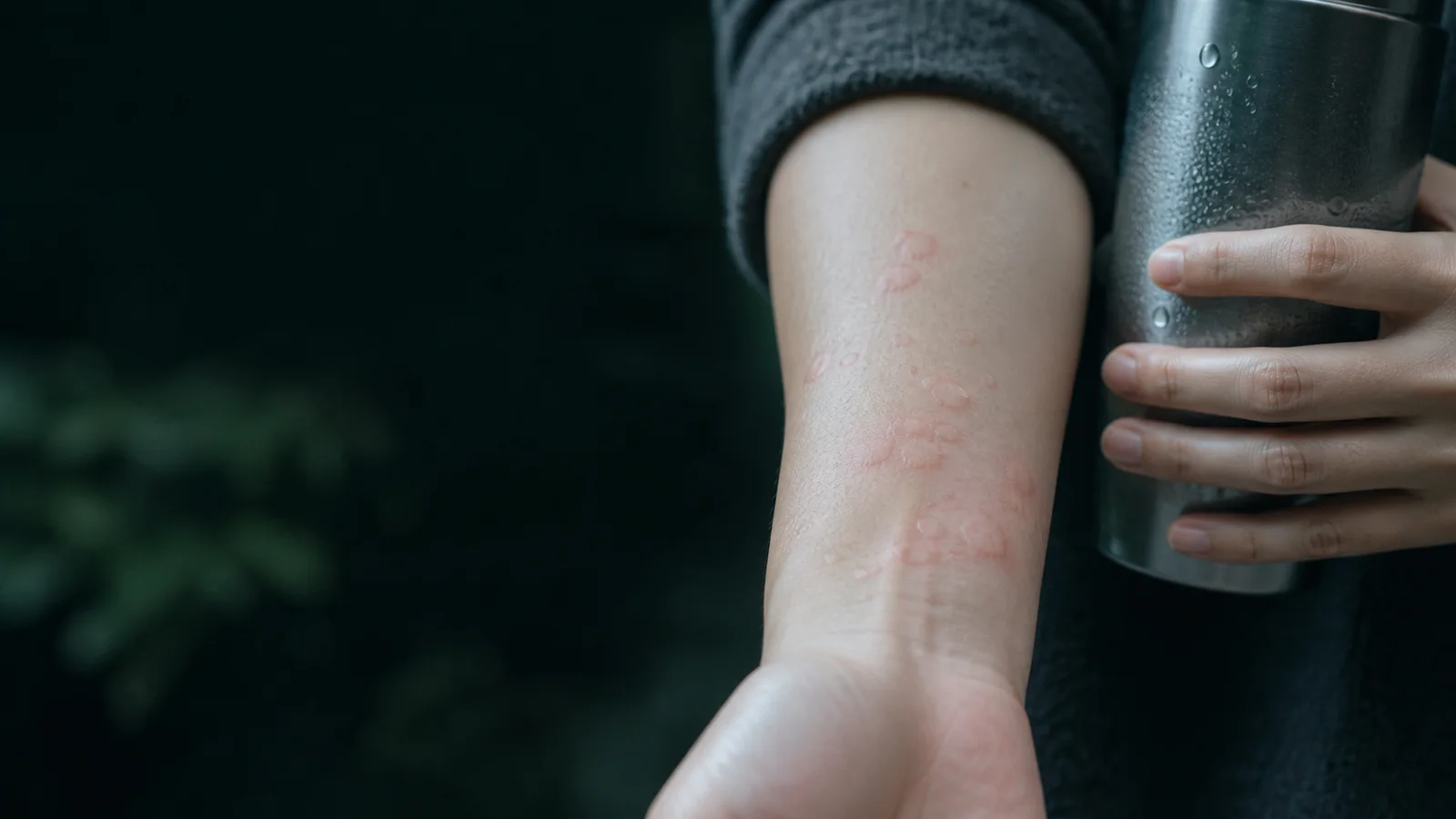
Raynaud's syndrome is a condition in which the blood vessels in the hands and feet contract excessively when exposed to cold or stress, causing the skin color to change in the order of pale-blue-red. numbness· It is accompanied by sensory numbness and pain, and in severe cases, it can lead to skin ulcers. The three-stage color change, turning white (blood flow blockage), then blue (oxygen deficiency), and then red again (blood flow recovery), is the key signal that distinguishes it from simple coldness.
In Korean medicine, Yang deficiency (Yang-heo)(陽虛), Qi stagnation and blood stasis(氣滯血瘀), Cold response(寒凝) perspective. Unlike simple Cold hands and feetcoldness, it is characterized by the accompaniment of vascular 'spasms'.
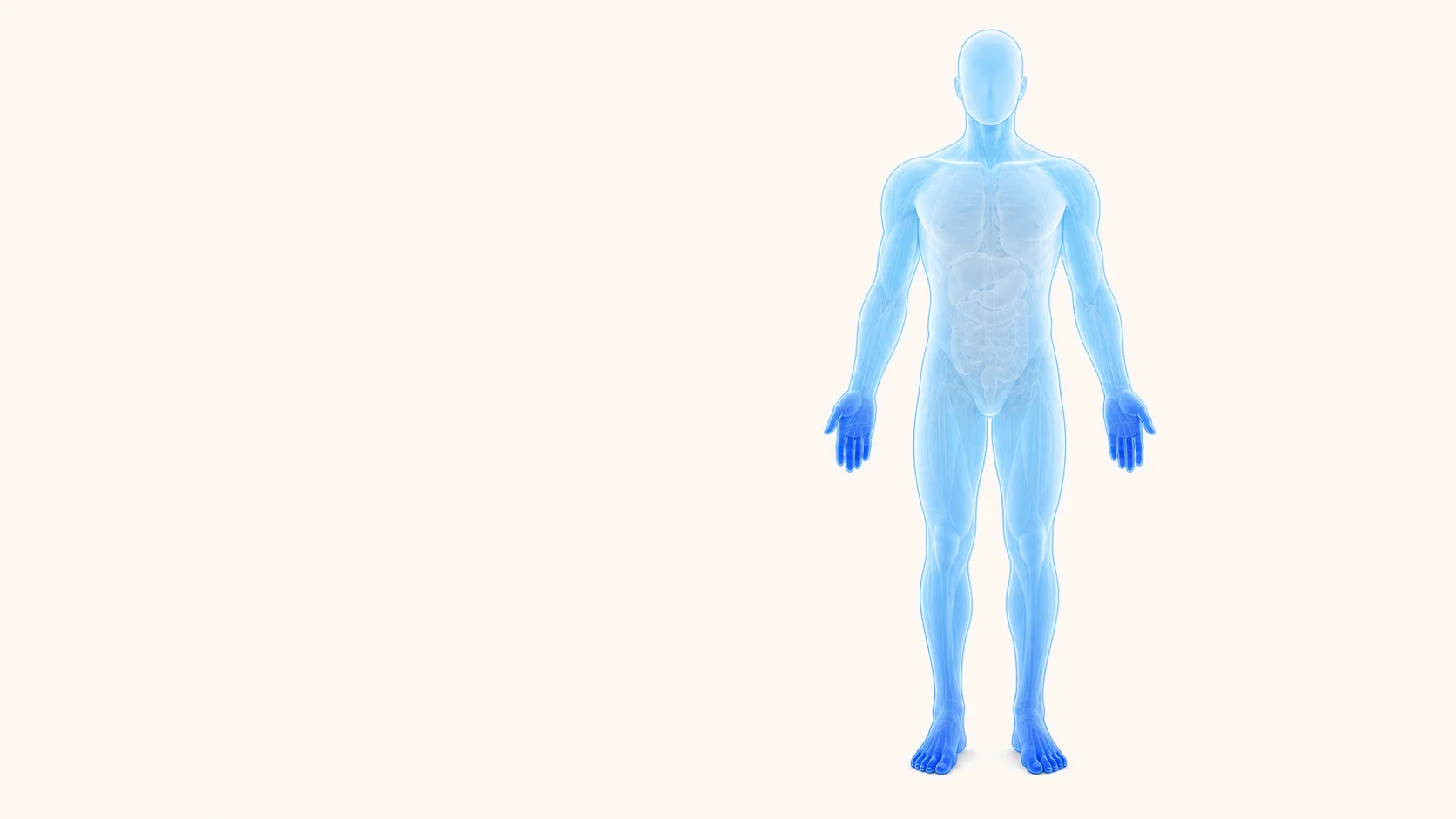
Why the fingertips and toes? The extremities are the furthest points from the heart, making them the hardest places for Yang energy (陽氣) and Blood (血) to reach. Blood flow is cut off from the extremities when the Yang energy that warms the body is insufficient (Yang deficiency), when the flow of Qi and blood is blocked by stress (Qi stagnation and blood stasis), or when cold energy freezes the blood vessels (Cold response). Stress is often a trigger, as the Liver (肝) is responsible for the smooth flow of Qi; thus, when emotions are tense, the peripheral blood vessels are seen to tighten as well.
Raynaud's is most often primary, occurring on its own, but in rare cases, it can appear as an early sign of an autoimmune disease. Therefore, it is important to check whether skin hardening or joint pain accompanies the condition, in addition to the color changes.
Then, in my case, where does this coldness come from? Even with the same Raynaud's phenomenon, the cause of the blood vessel spasms differs from person to person. That is why we look deeper into the single diagnosis of 'Raynaud's syndrome'.
Different types of the same symptom
It is divided into four types depending on the background that causes the blood vessel spasms.
Yang-deficiency type (陽虛)
A type lacking the Yang energy that warms the entire body. These individuals are very sensitive to cold, feel chilliness throughout the body as well as in the hands and feet, and their hands turn white quickly even with slight cold exposure.
The approach is to warm the fundamental yang energy.
Qi-stagnation and Blood-stasis type (氣滯血瘀)
A type where the flow of Qi and blood is blocked. Symptoms begin when sensitive to stress or tension; the fingertips turn blue, and there is strong, fixed, stabbing pain.
The approach is to resolve the blocked Qi and promote blood circulation.
Cold-response type (寒凝)
A type where cold energy causes the blood vessels to freeze. Blood vessels contract extremely in response to external stimuli such as cold water or cold wind, and the feeling of numbness is severe. These symptoms tend to resolve quickly when warmed.
The approach is to disperse the cold energy and introduce warmth.
Spleen-Qi deficiency type (脾氣虛)
A type with weak digestive power and insufficient energy production. Because the Spleen (脾) cannot produce energy, warmth cannot reach the extremities, and the hands and feet may become even colder after meals.
The approach is to boost Spleen-Qi to replenish energy and aid circulation.
When the causes of coldness are divided this way, a few things that were previously taken for granted look a bit different. Let's start by addressing some common misconceptions encountered in the clinic.
Common Misconceptions
"Cold hands and feet are all the same kind of coldness"
Simple coldness only involves cold hands and feet, but in Raynaud's, the blood vessels contract as if spasming, and the skin color changes in stages from pale to blue to red. If this color change is present, it must be examined separately from simple coldness.
"I only need to keep warm, so there is no need to go to a clinic"
Keeping warm is an important part of management, but if Raynaud's phenomenon repeats and worsens, it can rarely be an early sign of an autoimmune disease. If skin hardening, joint pain, or ulcers accompany the condition, medical evaluation is essential.
"It is a blood vessel problem unrelated to stress"
Raynaud's is often triggered not only by cold but also by stress and tension. This is because peripheral blood vessels tighten when emotions are tense, so emotional management affects the progression of symptoms.
"Smoking is unrelated to cold hands and feet"
Smoking is a representative factor that worsens Raynaud's by constricting peripheral blood vessels. Caffeine and certain blood pressure medications can also be triggers or aggravating factors, so these are checked as well.
It is also necessary to distinguish this from other conditions that are easy to confuse due to similar symptoms. Below are the clues used to differentiate them.
Points to verify even if symptoms seem similar
Simple cold hands and feet
The hands and feet feel cold, but the skin color does not turn white. Raynaud's is different in that it is accompanied by spasms of the blood vessels.
Scleroderma · Lupus
These are immune diseases accompanied by skin hardening or joint pain; since Raynaud's phenomenon can appear as an early symptom, careful observation is required.
Carpal Tunnel Syndrome
While the numbness in the hands is similar, it is caused by the compression of specific nerves, and it is characterized by numbness and muscle weakness that worsen at night rather than color changes.
Peripheral Neuropathy
This is a state where the nerves themselves are damaged due to conditions such as diabetes, often resulting in constant numbness or burning sensations regardless of the cold.
Therefore, in actual medical evaluations, we analyze the patterns of color change along with the signals the body is sending.
How this is evaluated during a medical consultation
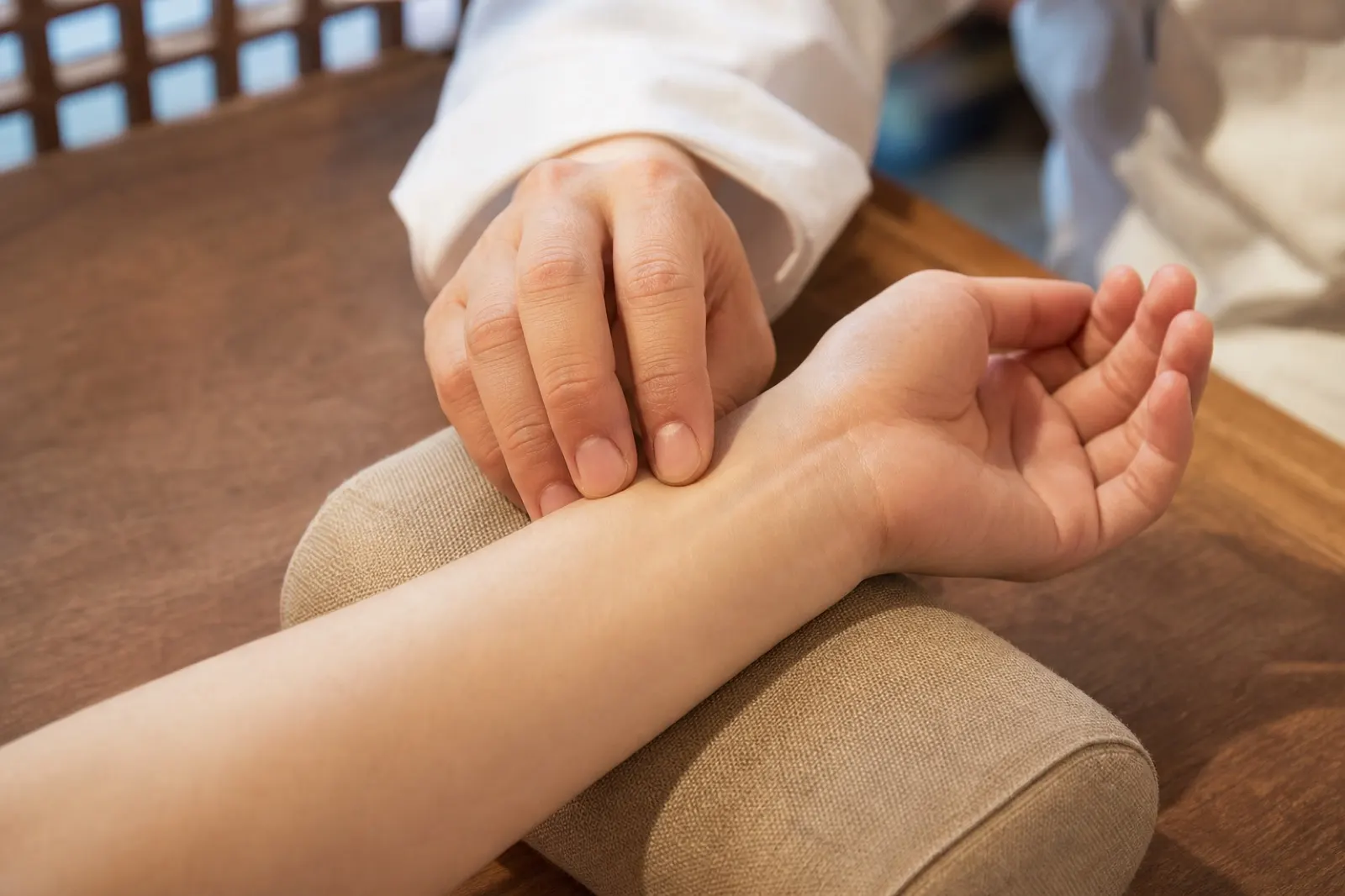
Through inquiry (問診) and identifying the pattern of color change is key. We check the stages of color change in the hands and feet due to cold or stress (pale → blue → red), whether pain or numbness is present, and the presence of underlying diseases (such as immune diseases). If there are symptoms of skin hardening or joint issues, we first recommend professional medical evaluation for autoimmune tests (such as ANA), and through abdominal palpation (腹診) and pulse diagnosis (脈診), we examine tendencies of Yang deficiency or Cold response.
Once the type is identified, we determine the next direction based on the constitutional causes hidden behind the skin color changes.
From the perspective of heat and cold, this is viewed as a process where a cold bias accumulates.
- Accumulation of causes for decreased circulation and Yang energy
- The body's regulatory functions cannot keep up
- This is seen as manifesting as symptoms of cold hypersensitivity and decreased circulation
The process of verification during medical evaluation
Now, we verify when and how your symptoms change
Since the way discomfort manifests can differ even within the same diagnosis, we review existing test results alongside the progression of symptoms.
Pattern Identification (Byeon-jeung)
Symptoms are verified in detail through pulse diagnosis and medical interview
Through pulse diagnosis and medical interview, we identify tendencies toward cold hypersensitivity and accompanying patterns, and explain the approach suited to your current condition.
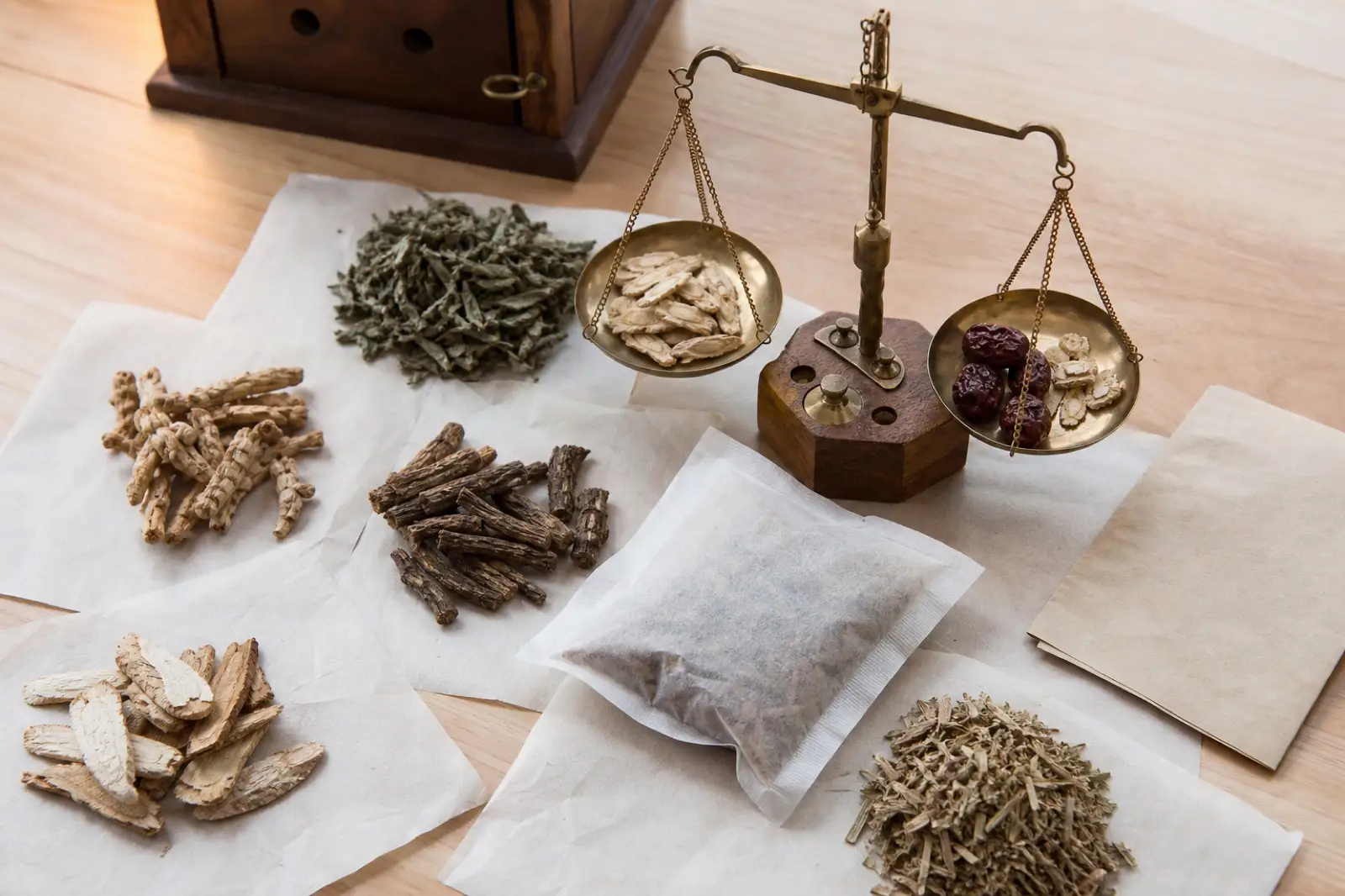
The prescription direction is determined, and changes after administration are verified
Based on the findings from the medical interview and examination, the prescription direction is explained, and the same director oversees everything from preparation to the changes after administration.
 Medical and Content Review
 Baekrokdam's medical standards
Raynaud's Syndrome: Listening to the progression before the name
We check the areas where coldness lingers, the recovery speed, digestion, fatigue, sleep, and reactions to temperature changes. Because the way the body generates and distributes heat differs even for the same diagnosis, the patterns identified through pulse, tongue, and medical interviews are linked to the Korean herbal medicine prescription and follow-up.
"For discomfort that cannot be explained by test results alone, we trace back through the symptoms starting from when they first began."
- Graduated from Kyung Hee University College of Korean Medicine
- Chief Director of Baekrokdam Korean Medicine Clinic
Before Your Consultation
Please make a note of the times and areas where the cold sensation is most severe, how long the warmth lasts after applying heat, and any recent tests or medications you are taking.
During Your First Visit
Rather than concluding with a single symptom name, we categorize the onset, aggravating factors, and accompanying symptoms based on the patterns of cold and heat.
Once Treatment Begins
Prescriptions are adjusted based not only on the intensity of discomfort but also on the frequency, recovery time, and changes observed in your daily life.