
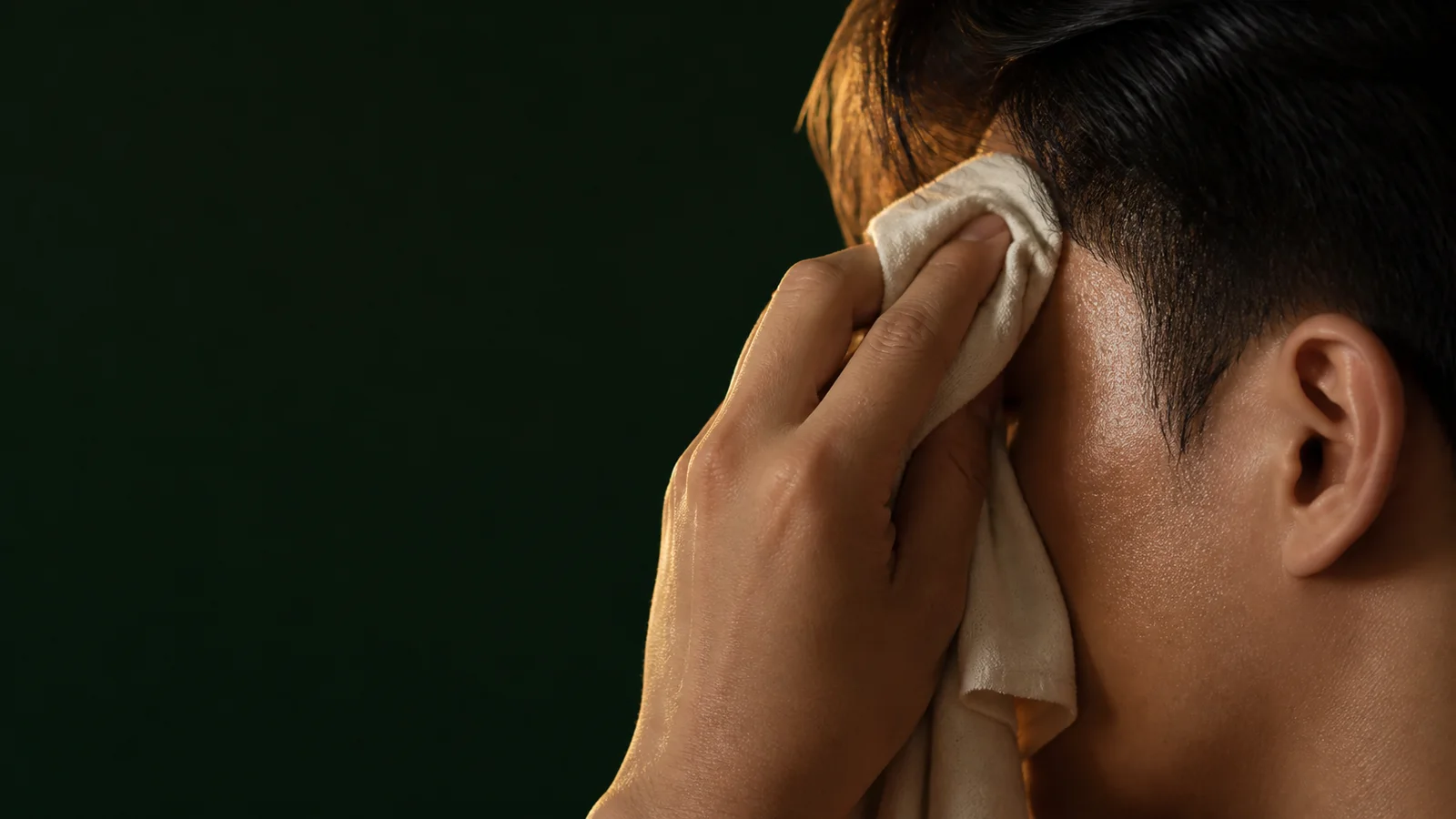
手足多汗症 · Palmoplantar Hyperhidrosis
We explain palmar and plantar hyperhidrosis, where sweat on the palms and soles interferes with writing, shaking hands, and wearing shoes, categorized by daily life scenarios and heat-cold pattern identification.
What to check first
We identify when the symptoms began, situations that worsen them, and any accompanying discomfort.
What to distinguish together
We narrow down the possibilities by comparing similar-looking conditions with previous test results.
What to look for on this page
We provide guidance on major patterns, differential criteria, and the sequence of confirmation during the medical evaluation.
General examinations look at the area of sweating and secondary causes. These symptoms may be a pattern where tension signals and damp-heat reactions are quickly triggered in the hands and feet, which we evaluate through pattern identification.
Korean medicine diagnosis looks at a different layer than hospital tests: it is not superior, but a different perspective.
Key information at a glance
- Check if it occurs repeatedly and symmetrically on both hands and feet
- Categorized into Tension-type, Damp-Heat-type, Qi-Deficiency-type, and Yin-Deficiency-type
- Treatment goals are based on the specific scenarios you wish to recover, such as writing, shaking hands, or wearing shoes
We look beyond the tests to identify the root cause of your specific case.
Overview
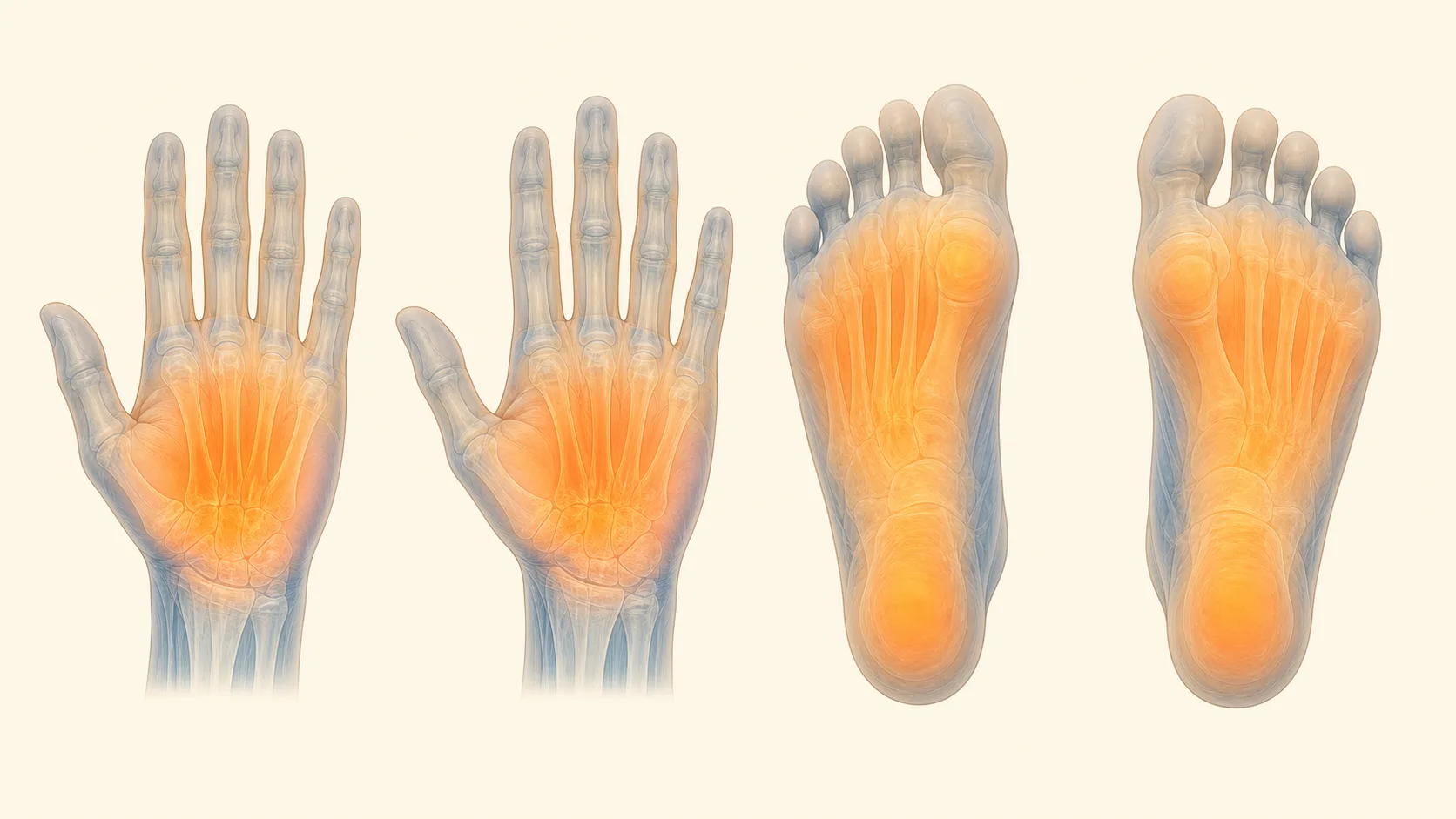
Palmar and PlantarHyperhidrosishyperhidrosis is a condition where sweat is concentrated on the palms and soles.Cold SyndromeDiscomfort appears in specific daily scenes, such as exam papers or contracts getting wet, phones becoming slippery, or skin becoming macerated due to moisture inside socks and shoes. It is common to experience a cycle where becoming conscious of the sweat leads to tension, and tension further increases the sweat.
If it has occurred similarly on both hands and feet since childhood and decreases during sleep, it is close to the pattern of primary focal hyperhidrosis. If there has been a recent sudden increase in generalized Sweatingsweating or if it persists at night, we do not view it solely as palmar and plantar hyperhidrosis and first check for other causes.
Different types of the same symptom
Type where tension reactions concentrate in the hands (心脾兩虛)
Hands suddenly become wet when meeting people or concentrating, often accompanied by heart palpitations, anxiety, or poor digestion. We evaluate both the tension signals and the recovery of digestive function.
Type where damp-heat lingers in the hands and feet (脾胃濕熱)
Hands and feet feel hot with excessive sticky sweat, and the body feels heavy and bloated. We also regulate digestion and bowel movement patterns where moisture and heat accumulate.
Type where weak energy fails to control sweating (氣虛不固)
Hands and feet become damp after activity and you tire easily, Cold sweatsand occur. We focus on reinforcing the body's protective strength and recovery power at the skin surface.
Type where heat rises due to deficiency of body fluids (陰虛內熱)
Hands and feet feel burning and sweat at night, accompanied by dry mouth and poor sleep. We focus on replenishing body fluids and calming the rising heat.
Common Misconceptions
If hands and feet are cold, it is not a heat symptom
Hands and feet may feel cold as sweat evaporates, and some people experience both cold extremities and hyperhidrosis (excessive sweating).
It can be solved by reducing tension through willpower alone
Worrying about sweating is often a result of the condition. The cycle of repeated sweating itself must be treated to break the vicious cycle.
Foot odor is always caused by sweat
Athlete's foot, skin erosion, or bacterial issues may overlap, so the skin condition is evaluated separately.
Points to verify even if symptoms seem similar
Cold extremities
We distinguish whether the primary discomfort is coldness and delayed recovery, or sweating and dampness. Both symptoms may occur together.
Raynaud's phenomenon
If fingers turn white and blue and then red when exposed to cold or tension, an evaluation of vascular response is necessary.
Athlete's foot / Contact dermatitis
If there is keratinization, itching, or cracking between the toes, or eczema on the hands, the skin condition must be treated concurrently.
Secondary hyperhidrosis
If there have been recent changes in systemic sweating, weight, pulse, or medications, an evaluation of the cause is the first priority.
How this is evaluated during a medical consultation
We ask whether the hands or feet are more affected, if both sides are the same, and what activities you avoid, such as writing, shaking hands, driving, or putting on shoes. We also check for night sweats, family history, symptoms related to the thyroid or blood sugar, and any medications you are taking. Through pulse and tongue diagnosis, we categorize the condition into patterns of tension and elevated heart rate, damp-heat in the digestive system, or deficiency of energy (Qi) and fluids (Yin).
When monitoring progress, we do not only ask about the sensation of sweating. We also look at whether you can write for several minutes without wetting the paper, if the frequency of changing socks has decreased, and if there are moments where you no longer need to wipe your hands before shaking hands.
Frequently Asked Questions about Palmar and Plantar Hyperhidrosis
Is sweating only on the hands and feet also related to one's constitution?
Constitution is not determined by the affected area alone. We examine patterns of tension, digestion, sleep, heat sensation, and fatigue together to categorize the underlying cause of sweating concentrated in the hands and feet.
Can foot odor also improve?
Reducing sweat and moisture can be helpful, but athlete's foot or bacterial skin issues require separate evaluation.
From the perspective of heat and cold, this is viewed as a process where the causes of heat accumulation build up.
- Accumulation of causes that lead to heat concentration
- The body's regulatory functions cannot keep up
- This is seen as manifesting through symptoms such as upward heat or dryness
The process of verification during medical evaluation
Now, we verify when and how your symptoms change
Since the way discomfort manifests can differ even within the same diagnosis, we review existing test results alongside the progression of symptoms.
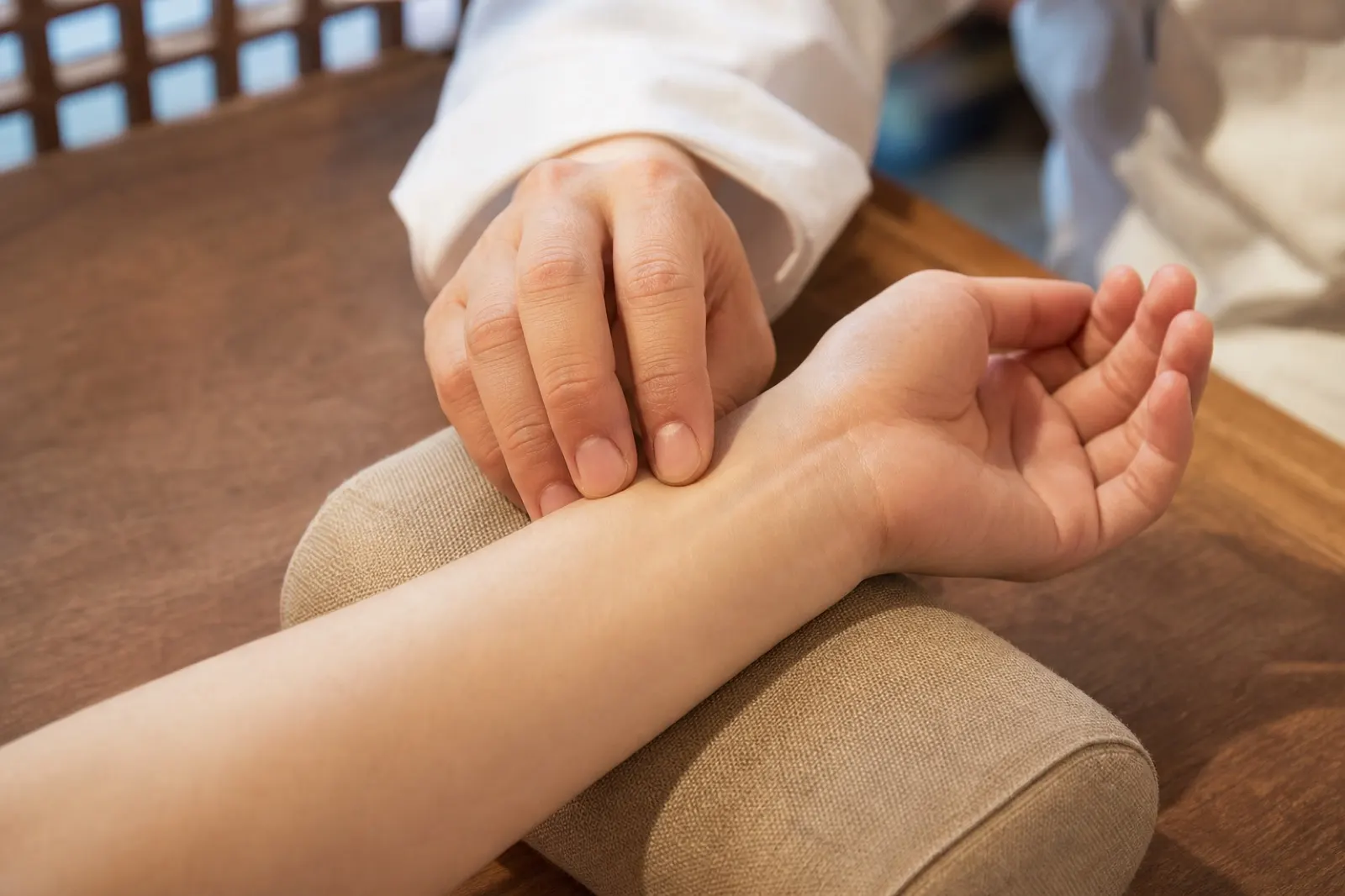
Pattern Identification (Byeon-jeung)
Symptoms are verified in detail through pulse diagnosis and medical interview
We use pulse diagnosis and patient interviews to identify heat syndrome tendencies and accompanying patterns, then explain the approach best suited to your current condition.
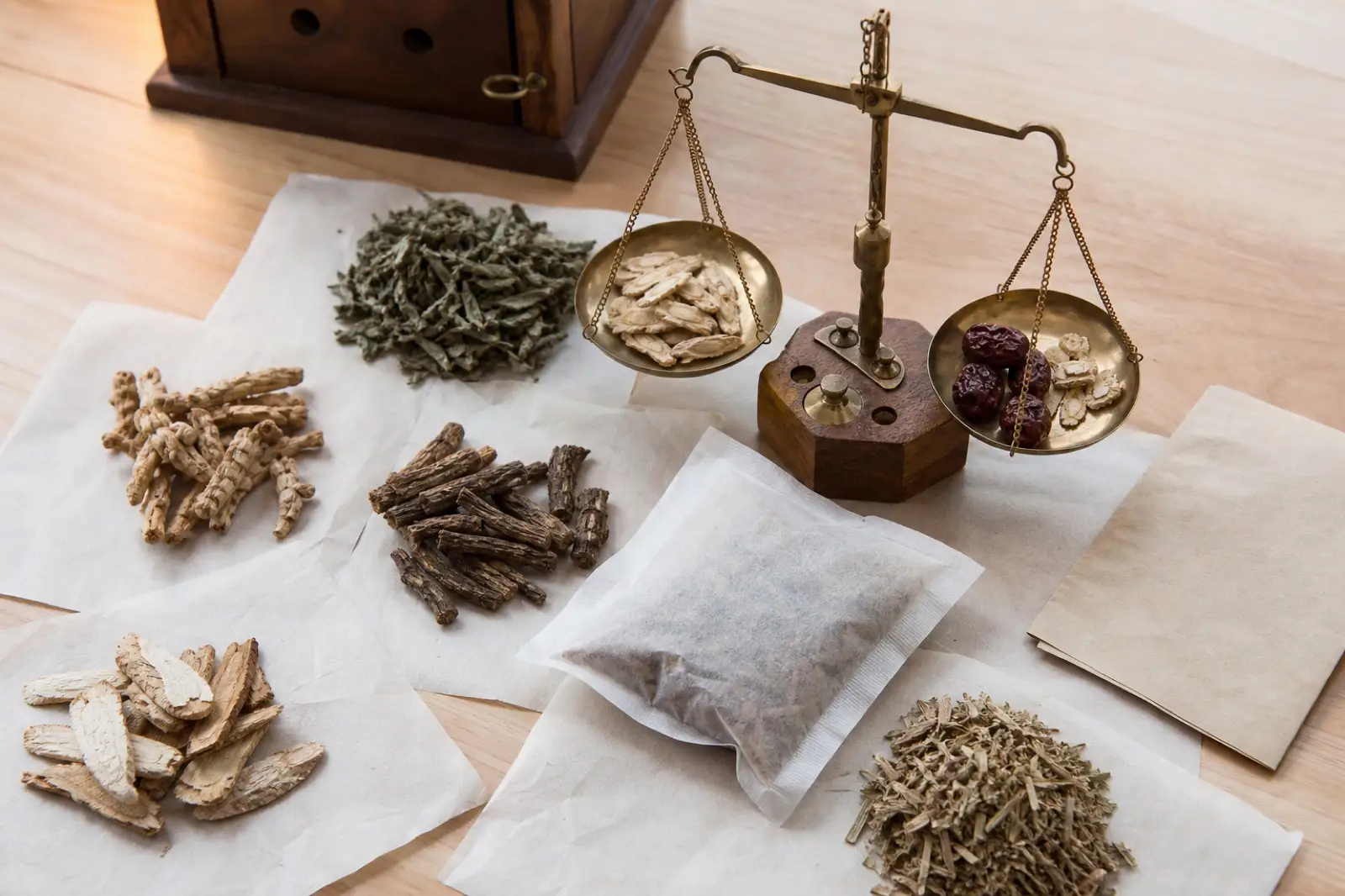
The prescription direction is determined, and changes after administration are verified
Based on the findings from the medical interview and examination, the prescription direction is explained, and the same director oversees everything from preparation to the changes after administration.
 Medical and Content Review
 Baekrokdam's medical standards
Palmar and Plantar Hyperhidrosis: Prioritizing Progress Over the Name of the Condition
We check the timing and area where the feeling of heat begins, along with changes in sweating, thirst, sleep, and nervousness. Even with the same diagnosis, the way the body produces and distributes heat varies; therefore, the categories identified through pulse, tongue, and patient interviews are linked to the Korean herbal medicine prescription and progress monitoring.
"For discomfort that cannot be explained by test results alone, we trace back through the symptoms starting from when they first began."
- Graduated from Kyung Hee University College of Korean Medicine
- Chief Director of Baekrokdam Korean Medicine Clinic
Before Your Consultation
Please make a note of the time when heat rises, its relationship with meals, sleep, and nervousness, as well as any recent tests and medications you are taking.
During Your First Visit
Rather than concluding with a single symptom name, we categorize the onset, aggravating factors, and accompanying symptoms based on the patterns of cold and heat.
Once Treatment Begins
Prescriptions are adjusted based not only on the intensity of discomfort but also on the frequency, recovery time, and changes observed in your daily life.