手足煩熱
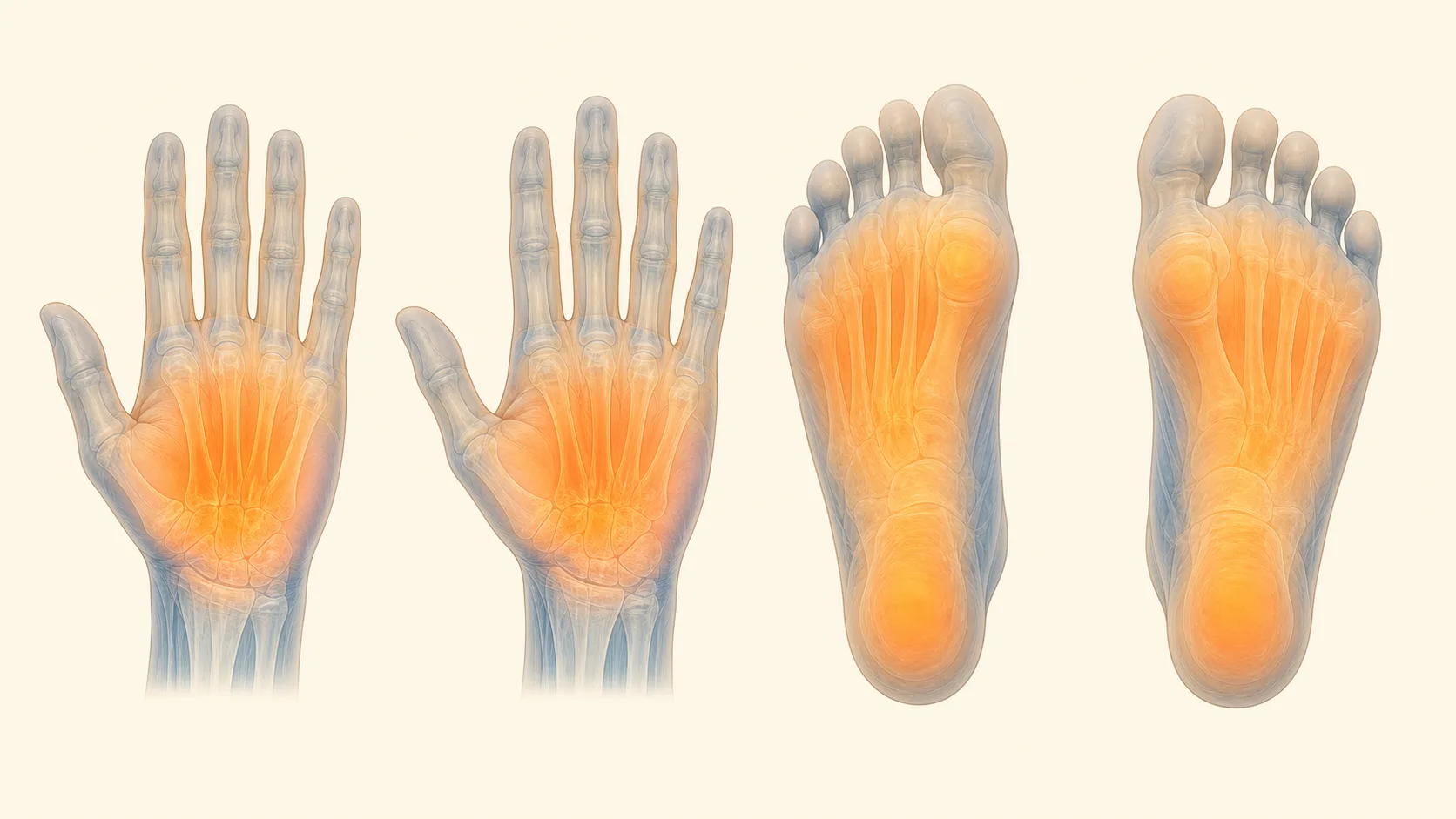
When your palms or soles feel hot and burning every night, we provide guidance on the items examined during consultation, including causes to check such as peripheral nerves, diabetes, and vascular issues, as well as treatment responses where sleep improves first even if the heat sensation remains.
What to check first
We identify when the symptoms began, situations that worsen them, and any accompanying discomfort.
What to distinguish together
We narrow down the possibilities by comparing similar-looking conditions with previous test results.
What to look for on this page
We provide guidance on major patterns, differential criteria, and the sequence of confirmation during the medical evaluation.
General tests look for abnormalities in large nerves or metabolic indicators (EMG, blood tests). These symptoms may be due to deficiency heat caused by a lack of bodily fluids or changes in micro-nerves (small fibers), which are evaluated through pattern identification (Byeon-jeung).
Korean medicine diagnosis looks at a different layer than hospital tests: it is not superior, but a different perspective.
Key information at a glance
- Pattern identification is divided into four categories: Yin deficiency with hyperactivity of fire, deficiency of both Qi and Blood, blood stasis, and deficiency of Spleen Qi
- Differential diagnosis is performed against underlying conditions such as diabetes and thyroid disease, large-fiber peripheral neuropathy, fibromyalgia, and plantar fasciitis
- We conduct medical interviews regarding heat sensations that worsen at night, dry mouth, insomnia, and treatment responses where sleep improves first, and refer to the state of micro-nerves if necessary
We look beyond the tests to identify the root cause of your specific case.
Overview
Burning sensation in soles/palms Heat sensationis a symptom where the hands, feet, or soles feel burning and flushed even while resting. It is common for this to worsen at night, leading patients to stick their feet out from under the covers, and many are told that no abnormalities were found during tests.
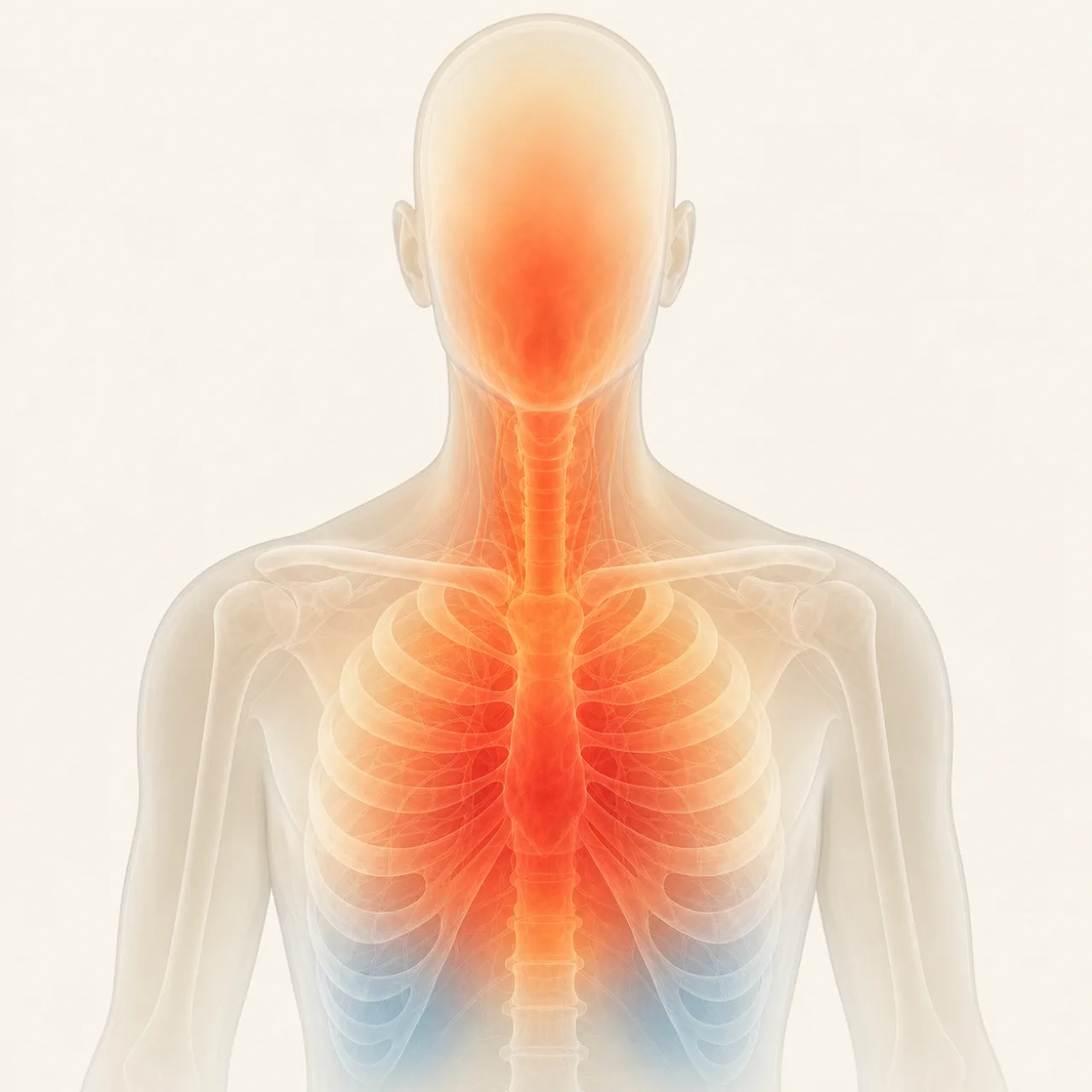
In Korean medicine, this is called Sujok-beon-yeol(手足煩熱) or Osim-beonyeol (五心煩熱) refers to a phenomenon where Jin-aek(陰) is depleted, causing heat to relatively rise toward the extremities of the body. 'Osim (五心)' is a term referring to the palms of both hands, the soles of both feet, and the center of the chest; ancient medical texts used this term to describe the pattern of stifling heat rising in these five areas.
Why specifically the palms and soles? Jin-aek (陰) serves to suppress and cool the body's heat. When this Yin energy becomes deficient, the body cannot hold onto the heat, and it rises to the furthest extremities, the palms and soles. In particular, the center of the sole (the Yongcheon area) is where the energy of the Shin (腎) enters and exits, and it is viewed that heat sensations become prominent here when Shin-eum (腎陰) is deficient. Because heat that was dispersed during daytime activity is felt more clearly once the body stabilizes at night, these symptoms often worsen in bed.
As the same symptoms repeat and become chronic, if pain andnumbnessworsen together, we also examine whether there are changes in the micro-nerves, such as small fiber neuropathy, in the background. The approach differs depending on whether there is only a sensation of heat or if numbness and pain are added.
Then, in my case, where does this heat sensation in the soles originate? Even for the same Sujok-beonyeol (heat in the hands and feet), the constitutional basis for the deficiency of Jin-aek differs from person to person. Therefore, we look deeper into the single symptom of heat sensation.
If the time it takes to fall asleep, nighttime awakenings, and the speed of falling back asleep have improved first, even while the heat sensation remains, that change must be interpreted separately. Baekrokdam does not look at the intensity of the heat sensation alone, but also whether the force disrupting the entire night has decreased, to determine whether to maintain the current Korean herbal medicine treatment or to refine and adjust it. This crossroads If heat remains in my hands and feet but my sleep improves first, can this be seen as a response to Korean herbal medicine treatment?continues in
Different types of the same symptom
The approach differs depending on the constitution that forms the background of the heat sensation and which organ's deficiency the heat originates from.
Yin Deficiency with Fire Type (陰虛火旺)
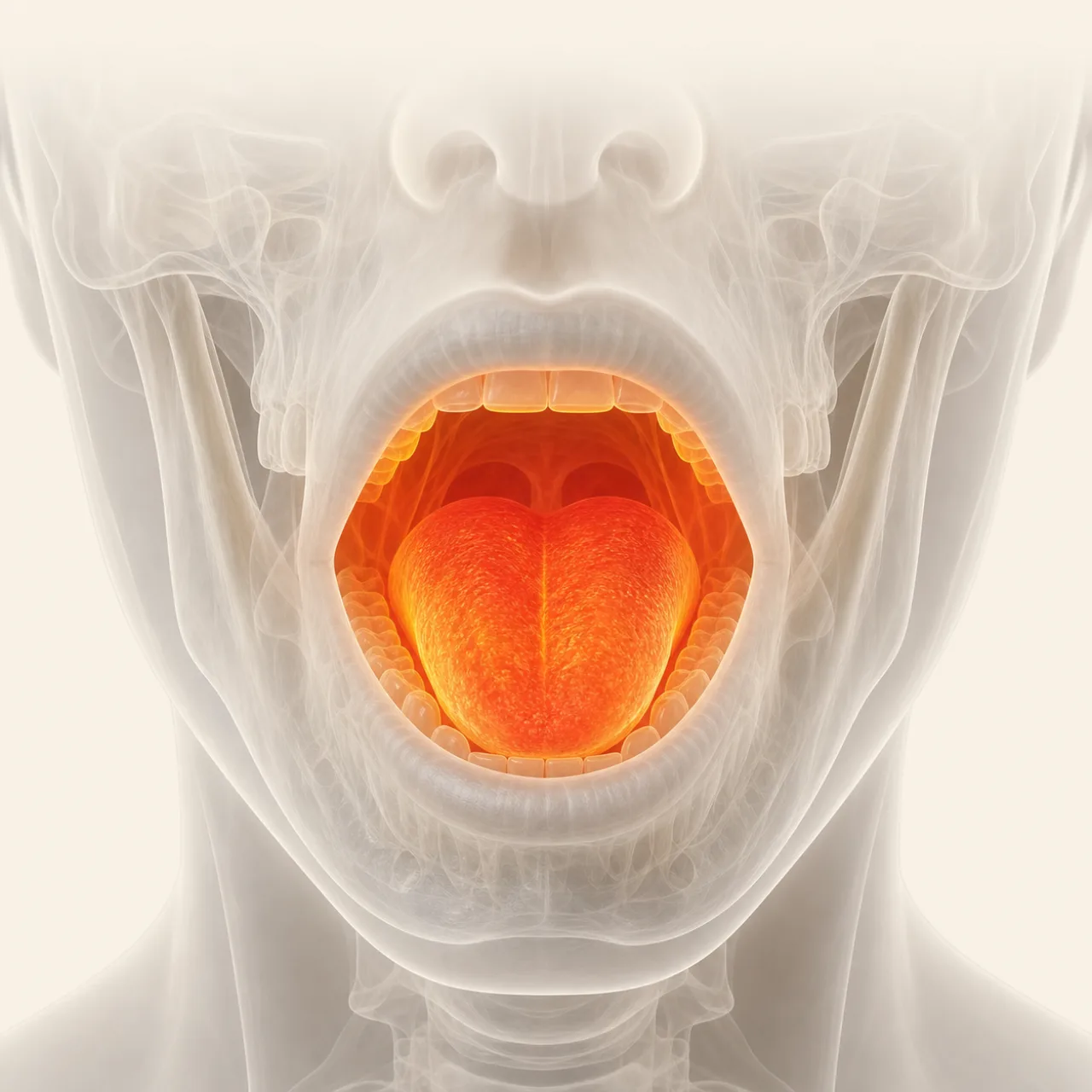
A type where Jin-aek is dried up, leading to extreme heat in the soles that feels like they are on fire, accompanied by dry mouth. Especially when Shin-eum (腎陰) is deficient, heat is prominent in the center of the soles, worsens in the evening and at night, and is accompanied by night sweats and insomnia. This is often based on menopause, overwork, or lack of sleep.
The approach is to replenish the deficient Yin.
Qi and Blood Deficiency Type (氣血兩虛)
A type where nutritional supply is insufficient, so Qi and Blood cannot sufficiently reach the extremities of the hands and feet. Senses become dull as if the nerves have atrophied, accompanied by systemic fatigue and dizziness. Numbness or a heavy, muffled sensation may appear mixed with the heat sensation.
The approach is to simultaneously replenish the deficient Qi and Blood to allow warmth to circulate to the tips of the hands and feet.
Blood Stasis Accumulation Type (瘀血阻滯)
A type where circulation in the microvessels is blocked (瘀血), causing heat and pain to become fixed in one place. The area of pain does not move easily, worsens at night, and may take on a stabbing quality.
The approach is to resolve the blocked blood stasis to open up microcirculation.
Spleen Qi Deficiency Type (脾氣虛弱)
For those with a weak脾) governs the limbs (四肢) and produces energy through digestion; in this type, this function is weakened, leading to heavy and lethargic limbs. Digestive power decreases, fatigue occurs easily, and a subtle heat sensation persists in the extremities.
The approach is to boost the weakened Spleen Qi to allow energy to spread to the limbs.
When breaking down the patterns of differentiation, several things that were previously taken for granted look a bit different. Let's start by addressing some common misconceptions encountered in the clinic.
Common Misconceptions
"If the tests are normal, there is no problem."
General electromyography and blood tests primarily look at thick nerves and metabolic indicators. Changes in the thin nerves responsible for pain and temperature, or deficiency heat caused by a lack of bodily fluids, are not easily revealed by these tests alone; therefore, a normal result does not necessarily mean 'no abnormality'.
"Since my hands and feet are hot, I have a constitution with too much body heat."
Heat sensations in the palms and soles are often not due to an excess of heat, but rather a deficiency heat (陰) caused by a lack of bodily fluids (虛熱) that would normally cool the heat. Rather than blindly trying to cool the body, a perspective of filling in what is lacking is necessary.
"Soaking feet in cold water will cure it."
While it feels cool momentarily, it does not resolve the root cause, and repeated use may actually hinder circulation. It is priority to first examine the type of heat sensation and then approach treatment.
"It only gets worse at night, so it is not a big deal."
Worsening at night is a typical pattern that appears when bodily fluids are deficient, and is actually a clue suggesting a tendency toward Yin deficiency. If it is severe enough to interfere with sleep, it is better to investigate the cause rather than leaving it untreated.
It is also necessary to distinguish this from other conditions that are easy to confuse due to similar symptoms. Below are the clues used to differentiate them.
Points to verify even if symptoms seem similar
Underlying conditions such as diabetes or thyroid disease
These are common backgrounds for heat sensations and numbness, so it is important to first rule them out through testing.
Large-fiber peripheral neuropathy
This presents with clear muscle weakness and abnormal reflexes, which are immediately confirmed via electromyography. In contrast, heat sensations in the soles often occur when strength is normal but only sensation is abnormal.
Fibromyalgia
This involves pain throughout the entire body rather than in a specific area, with clear tender points. Heat sensations in the soles tend to start strongly from the extremities, such as the fingertips and toes.
Plantar fasciitis
While sole pain is the main symptom, the first steps in the morning are the most painful, and physical pain during walking is the core issue. The heat-sensation type exhibits a burning feeling even while remaining still.
Therefore, in actual medical practice, we analyze lifestyle patterns and accompanying symptoms together.
How this is evaluated during a medical consultation
We evaluate the tendency toward Yin deficiency and deficiency heat by synthesizing constitution, accompanying symptoms, and lifestyle patterns. We conduct a medical interview to check whether pain and heat sensations are worse during the day or night, if dry mouth, insomnia, or night sweats are present, and if there are background factors such as diabetes or menopause (問診) is used for confirmation. We check whether there is only a sensation of heat or if numbness and pain are also present; if necessary, skin biopsy or Quantitative Sensory Testing (QST) may be used to reference the state of the small nerve fibers.
At this time, rather than just recording the intensity of the heat sensation, it is better to also note the time you fall asleep, the number of times you wake up during the dawn, how quickly you fall back asleep, and your level of fatigue the next day. If sleep improves even while the heat sensation remains, it can show which axis the current treatment is responding to; conversely, if the dawn heat sensation, dry mouth, and night sweats persist, it provides a basis for adjusting the treatment more quickly.
Once these types are organized, we will determine the next direction together, tailoring it to the characteristics of your constitution and the heat sensation and numbness in the soles of the feet that were not captured by tests alone.
Frequently Asked Questions About Heat Sensation in the Soles of the Feet
My EMG and blood tests are normal, so why do the soles of my feet feel so hot and burning?
General EMG or blood tests primarily look for abnormalities in large nerve fibers or metabolic indicators. Changes in the thin nerve fibers responsible for pain and temperature, or deficiency heat caused by a lack of bodily fluids (Jin-yeok), often do not appear clearly through these tests alone.
From the perspective of heat and cold, this is viewed as a process where the causes of heat accumulation build up.
- Accumulation of causes that lead to heat concentration
- The body's regulatory functions cannot keep up
- This is seen as manifesting through symptoms such as upward heat or dryness
The process of verification during medical evaluation
Now, we verify when and how your symptoms change
Since the way discomfort manifests can differ even within the same diagnosis, we review existing test results alongside the progression of symptoms.
Pattern Identification (Byeon-jeung)
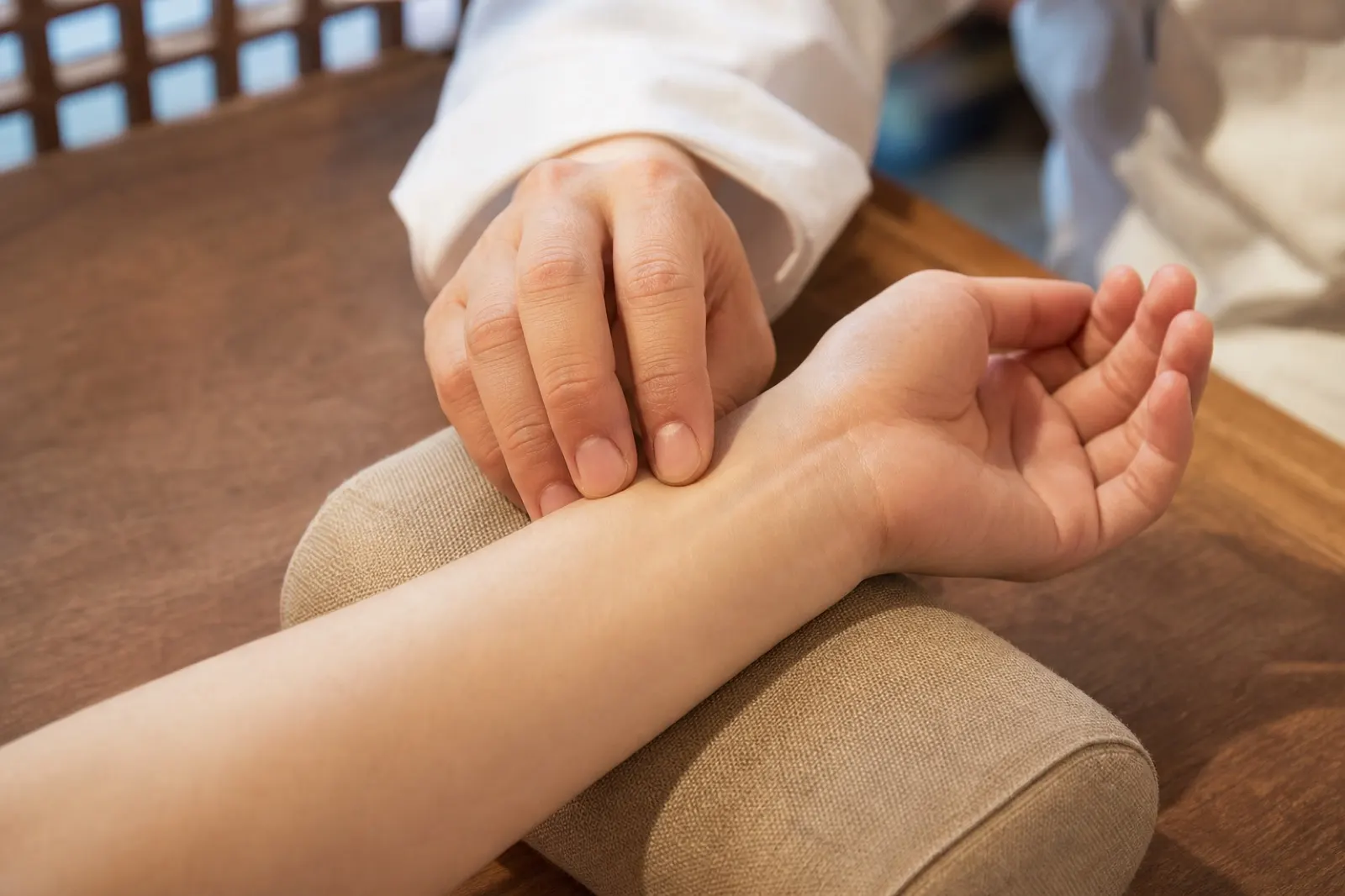
Symptoms are verified in detail through pulse diagnosis and medical interview
We use pulse diagnosis and patient interviews to identify heat syndrome tendencies and accompanying patterns, then explain the approach best suited to your current condition.
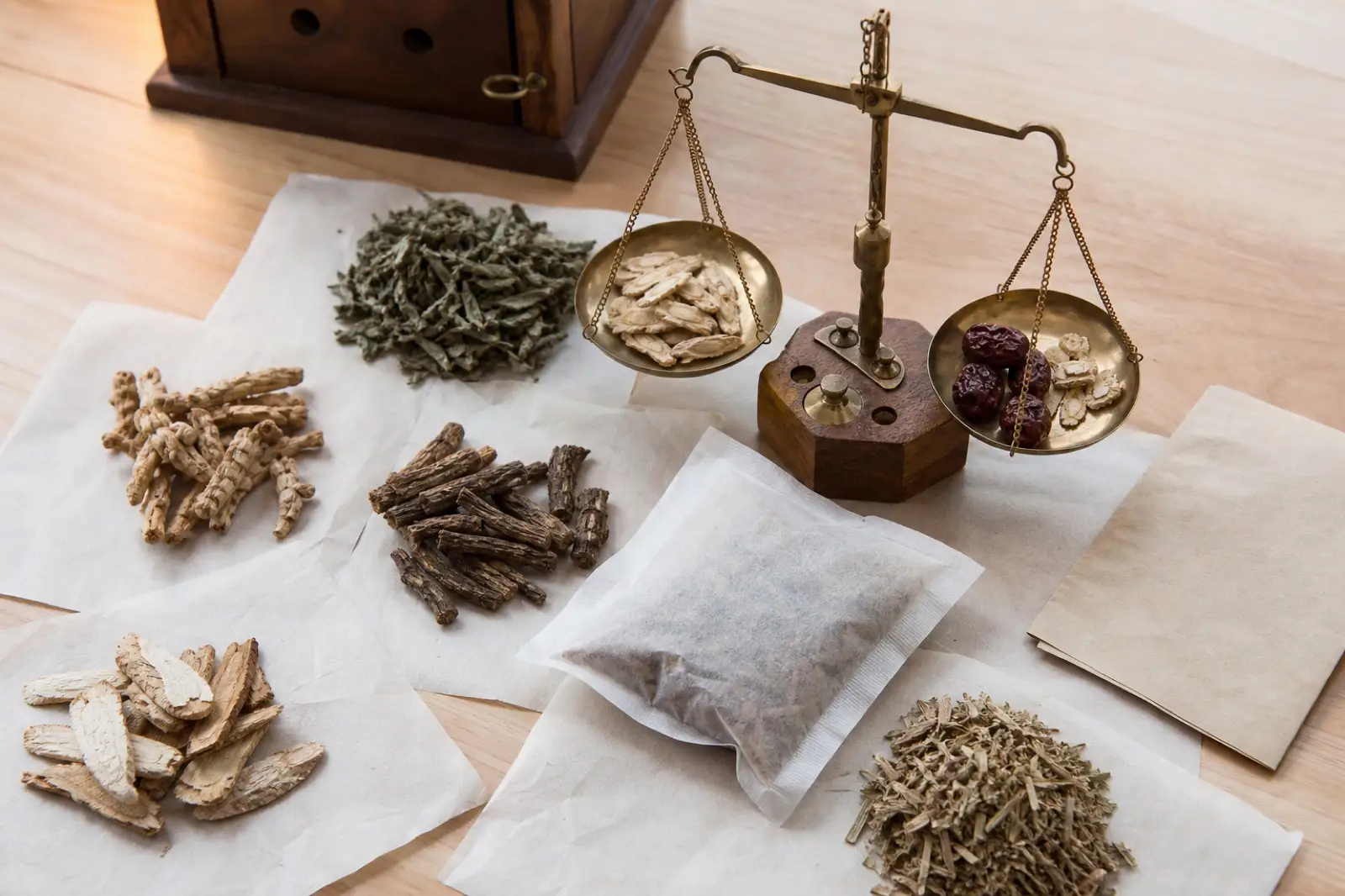
The prescription direction is determined, and changes after administration are verified
Based on the findings from the medical interview and examination, the prescription direction is explained, and the same director oversees everything from preparation to the changes after administration.
 Medical and Content Review
 Baekrokdam's medical standards
Heat Sensation in the Soles: We listen to the progression before the name of the condition
We check the timing and area where the feeling of heat begins, along with changes in sweating, thirst, sleep, and nervousness. Even with the same diagnosis, the way the body produces and distributes heat varies; therefore, the categories identified through pulse, tongue, and patient interviews are linked to the Korean herbal medicine prescription and progress monitoring.
"For discomfort that cannot be explained by test results alone, we trace back through the symptoms starting from when they first began."
- Graduated from Kyung Hee University College of Korean Medicine
- Chief Director of Baekrokdam Korean Medicine Clinic
Before Your Consultation
Please make a note of the time when heat rises, its relationship with meals, sleep, and nervousness, as well as any recent tests and medications you are taking.
During Your First Visit
Rather than concluding with a single symptom name, we categorize the onset, aggravating factors, and accompanying symptoms based on the patterns of cold and heat.
Once Treatment Begins
Prescriptions are adjusted based not only on the intensity of discomfort but also on the frequency, recovery time, and changes observed in your daily life.