
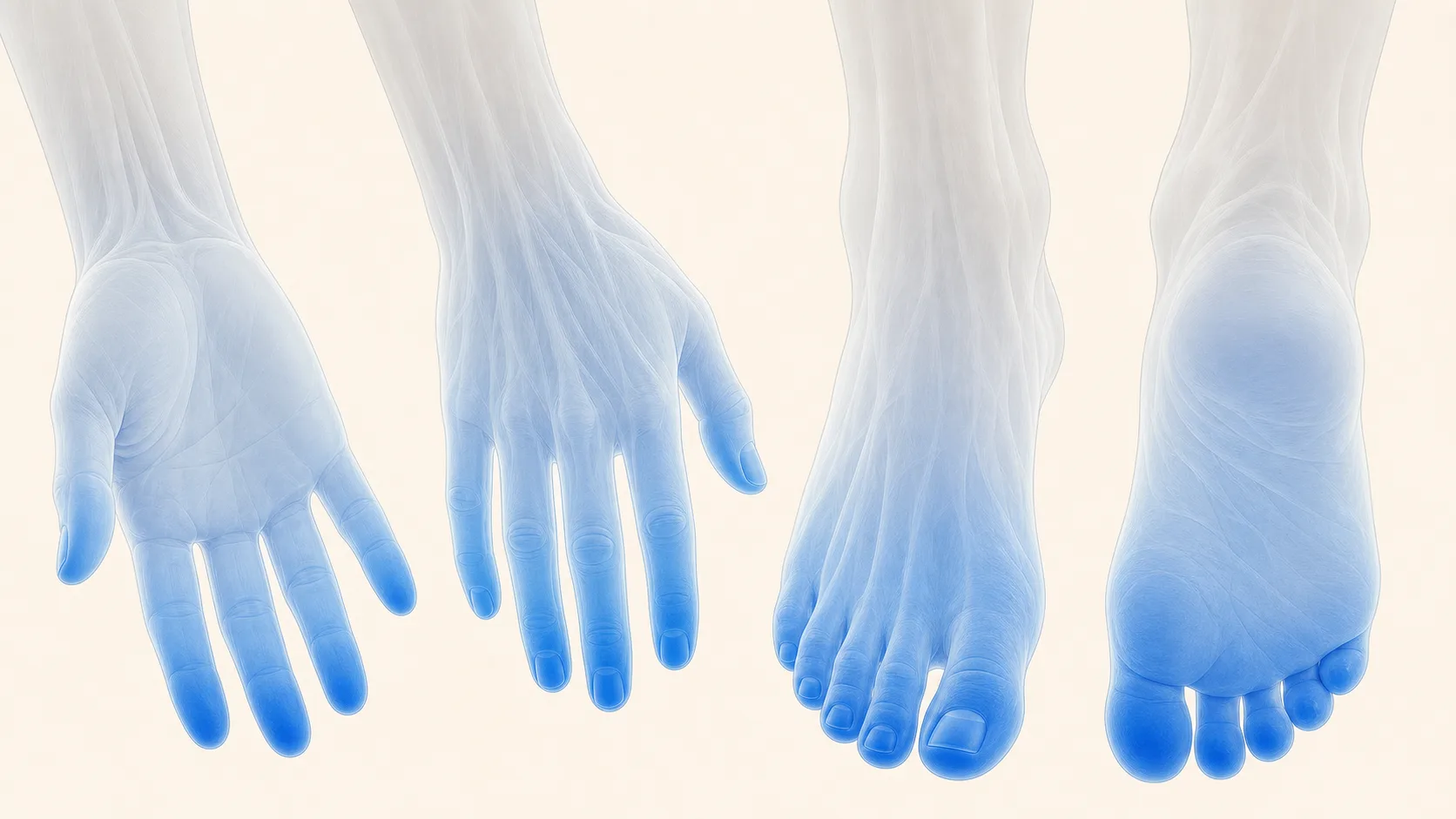



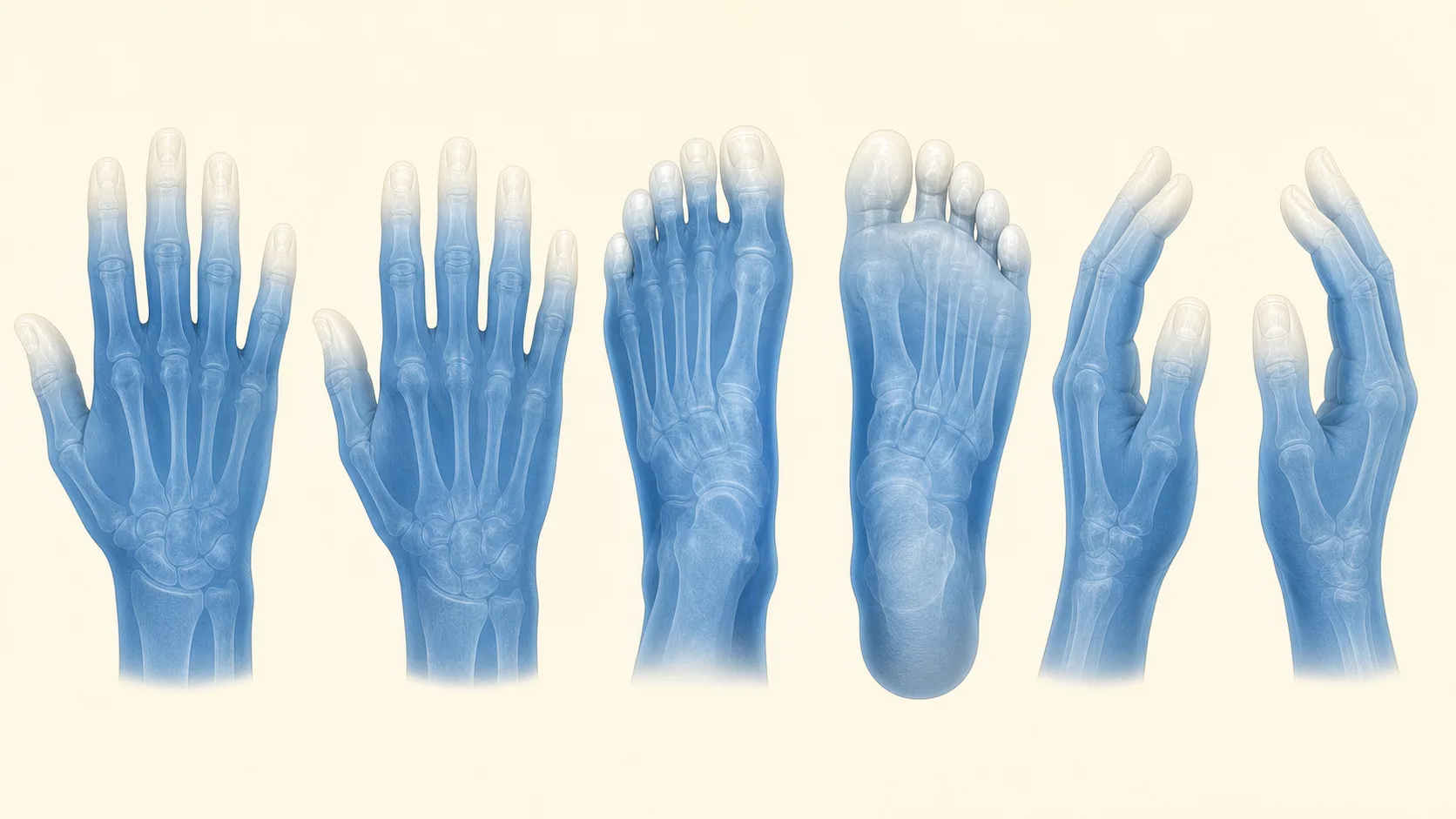
腹部冷症 · Abdominal Cold Sensation
We explain abdominal coldness, where the abdomen and lower abdomen feel cold even in warm environments and digestive or bowel discomfort recurs, by categorizing it into accompanying symptoms and heat-cold patterns.
What to check first
We identify when the symptoms began, situations that worsen them, and any accompanying discomfort.
What to distinguish together
We narrow down the possibilities by comparing similar-looking conditions with previous test results.
What to look for on this page
We provide guidance on major patterns, differential criteria, and the sequence of confirmation during the medical evaluation.
General tests look for causes that create systemic coldness and abdominal discomfort, such as thyroid issues, anemia, or digestive diseases. These symptoms may be a branch of deficiency in the power to create and maintain core warmth during digestion and recovery, which we examine through pattern identification.
Korean medicine diagnosis looks at a different layer than hospital tests: it is not superior, but a different perspective.
Key information at a glance
- We examine actual skin temperature, subjective coldness, and changes in digestion and bowel movements together
- Divided into four branches: Spleen-Yang deficiency, Kidney-Yang deficiency, Cold-Dampness, and Qi-Blood stagnation
- We use the duration of warmth maintained after a hot compress and post-meal reactions as progress indicators
We look beyond the tests to identify the root cause of your specific case.
Overview
Abdominal coldness is a symptom where the area around the navel or the lower abdomen feels cold and chilly, even in a warm indoor environment. It may feel physically cold to the touch, or you may feel an internal chill and discomfort even if the skin temperature seems normal. It can be accompanied by abdominal pain or diarrhea after eating cold foods, post-meal bloating, or coldness in the lower body cold sensation, and may overlap with discomfort before or after menstruation.
Since abdominal coldness itself is not a specific medical diagnosis, we first check for accompanying symptoms related to hypothyroidism, anemia, weight changes, or the possibility of digestive or gynecological diseases. If there is no clear causative disease, but the symptoms temporarily improve with a heating pad and then return, recurring alongside digestion or bowel movement issues, we examine the flow of generating and distributing core body warmth.
Different types of the same symptom
Type with insufficient warmth in the digestive system (脾陽虛)
The abdomen feels cold and bloated after meals, often accompanied by loose stools and loss of appetite. We focus on strengthening the function of digesting food to generate warmth.
Type with weak fundamental warmth in the lower abdomen (腎陽虛)
The lower abdomen, waist, and knees feel cold together, accompanied by early morning diarrhea, frequent urination, and severe fatigue. We focus on restoring warmth to both the lower abdomen and the entire body.
Type where cold and damp energy linger (寒濕內停)
The abdomen feels heavy, the body feels sluggish, and symptoms worsen during rain or cold weather. We regulate digestion and fluid metabolism to prevent cold-dampness from lingering.
Type where tension and circulation stagnation gather in the abdomen (氣血鬱滯)
Under stress, the lower abdomen becomes stiff, coldness and pain intensify, and bloating occurs. Blocked Qi and Blood We examine the flow and temperature distribution together.
Common Misconceptions
If the abdomen feels cold, the actual organ temperature is also low
Subjective coldness and skin temperature do not directly indicate the temperature of internal organs. Accompanying functions and the progression of symptoms must be considered together.
Eating only warm foods is enough
While lifestyle management may reduce discomfort, if there are recurring changes in digestion, bowel movements, and systemic fatigue, the underlying causes must be analyzed.
It only occurs in women
Regardless of gender, it can appear along with decreased digestion and systemic coldness.
Points to verify even if symptoms seem similar
Hypothyroidism
Check if systemic coldness, fatigue, weight gain, dry skin, and constipation are present together.
Anemia
If paleness, dizziness, shortness of breath when climbing stairs, and throbbing are present, a blood test is necessary.
Irritable Bowel Syndrome · Functional Dyspepsia
We distinguish whether the primary concern is abdominal pain, bowel movements, or post-meal fullness, or if the main discomfort is a sensation of coldness.
Gynecological Diseases
If you have persistent pelvic pain, abnormal bleeding, or changes in menstruation, a gynecological evaluation is the priority.
How this is evaluated during a medical consultation
We ask which part of the abdomen feels cold and when, and whether the coldness felt internally is the same as when touched by hand. We also record the timing in relation to cold food, meals, bowel movements, menstruation, and sleep, as well as how long the warmth lasts after applying a heating pad. If systemic coldness and fatigue are severe, necessary tests for conditions such as thyroid dysfunction and anemia are checked first.
Hanyeol During the consultation, we examine the distribution of tension, tenderness, and temperature in the abdomen along with pulse and tongue diagnosis to distinguish between Spleen Yang Deficiency, Kidney Yang Deficiency, Cold-Dampness, and Qi-Blood Stagnation. Progress is monitored not by momentary temperature, but by improvements in post-meal comfort, frequency of loose stools or abdominal pain, the amount of time spent without a heating pad, and whether the discomfort of needing to cover the abdomen when falling asleep has decreased.
Frequently Asked Questions about Abdominal Coldness
Can my hands and feet be warm while only my abdomen is cold?
Yes. The sensation of temperature can vary by body part. We evaluate how the coldness in the abdomen relates to meals, bowel movements, menstruation, and sleep.
Will it get better if I keep using a heating pad?
It may provide temporary relief, but if the area becomes cold again quickly after heating and digestion issues or diarrhea recur, we must examine the underlying cause of the inability to maintain core warmth.
From the perspective of heat and cold, this is viewed as a process where a cold bias accumulates.
- Accumulation of causes for decreased circulation and Yang energy
- The body's regulatory functions cannot keep up
- This is seen as manifesting as symptoms of cold hypersensitivity and decreased circulation
The process of verification during medical evaluation
Now, we verify when and how your symptoms change
Since the way discomfort manifests can differ even within the same diagnosis, we review existing test results alongside the progression of symptoms.
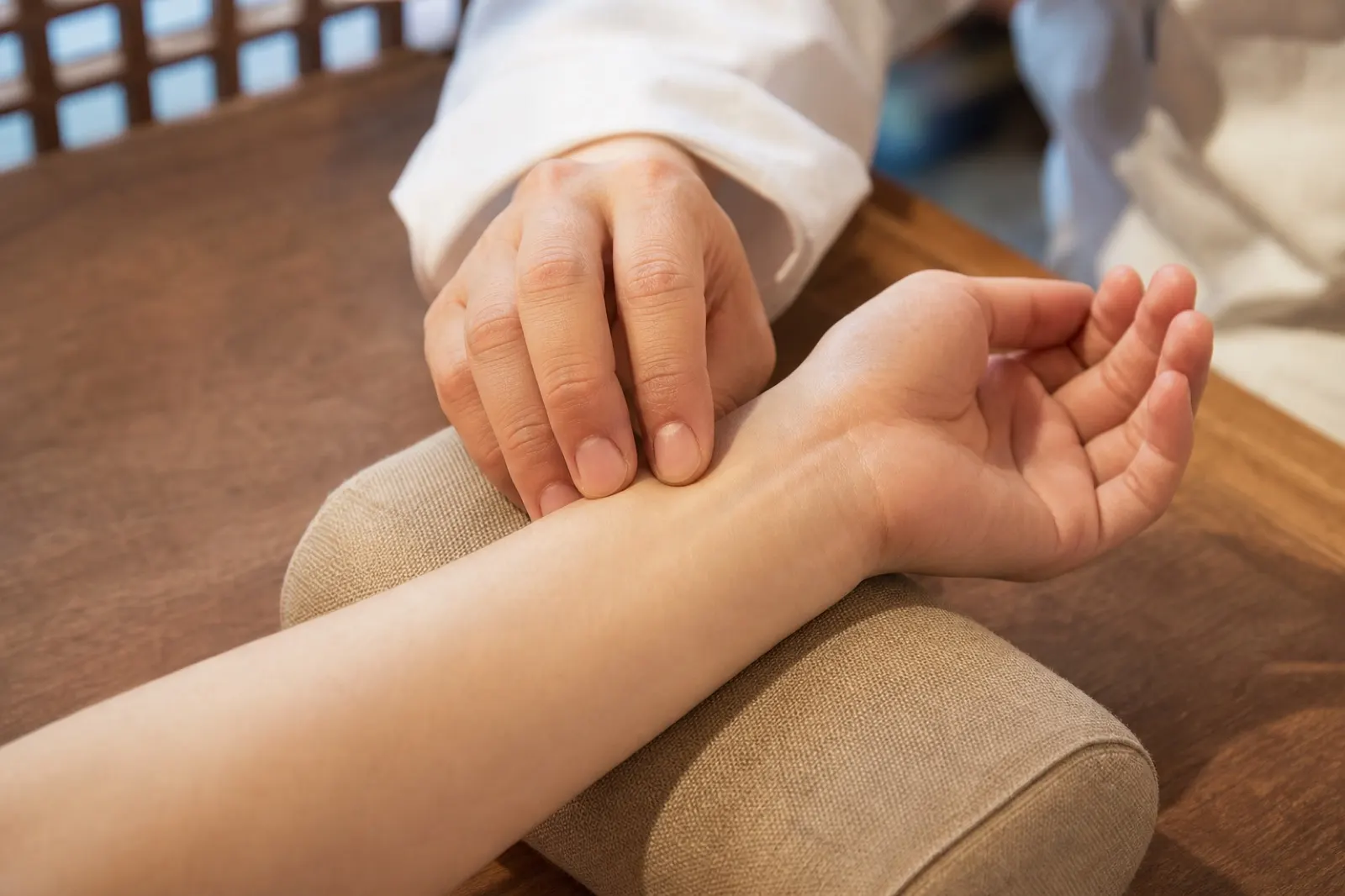
Pattern Identification (Byeon-jeung)
Symptoms are verified in detail through pulse diagnosis and medical interview
Through pulse diagnosis and medical interview, we identify tendencies toward cold hypersensitivity and accompanying patterns, and explain the approach suited to your current condition.
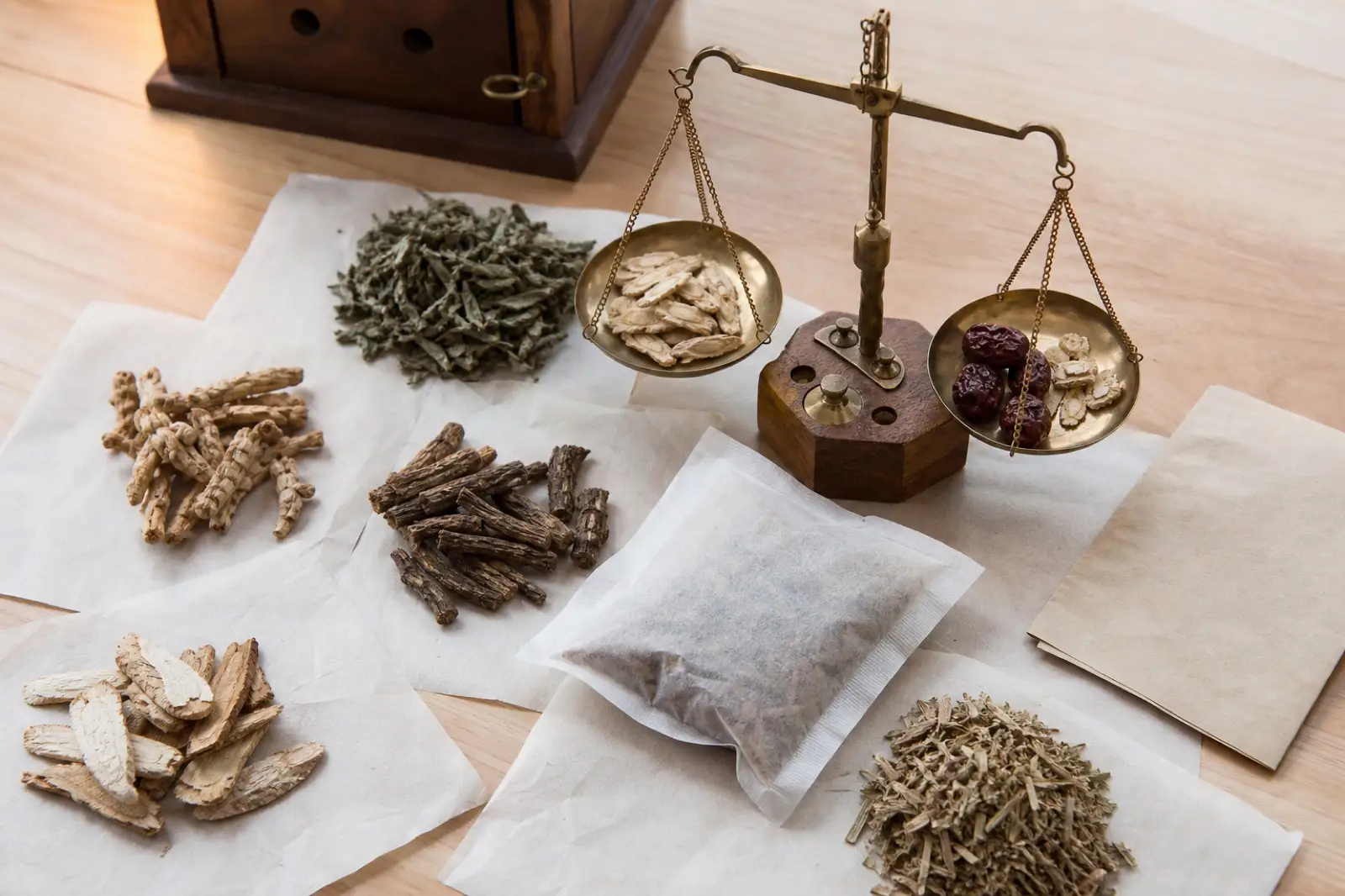
The prescription direction is determined, and changes after administration are verified
Based on the findings from the medical interview and examination, the prescription direction is explained, and the same director oversees everything from preparation to the changes after administration.
 Medical and Content Review
 Baekrokdam's medical standards
Abdominal cold hypersensitivity: we listen to the progression before the name of the condition
We check the areas where coldness lingers, the recovery speed, digestion, fatigue, sleep, and reactions to temperature changes. Because the way the body generates and distributes heat differs even for the same diagnosis, the patterns identified through pulse, tongue, and medical interviews are linked to the Korean herbal medicine prescription and follow-up.
"For discomfort that cannot be explained by test results alone, we trace back through the symptoms starting from when they first began."
- Graduated from Kyung Hee University College of Korean Medicine
- Chief Director of Baekrokdam Korean Medicine Clinic
Before Your Consultation
Please make a note of the times and areas where the cold sensation is most severe, how long the warmth lasts after applying heat, and any recent tests or medications you are taking.
During Your First Visit
Rather than concluding with a single symptom name, we categorize the onset, aggravating factors, and accompanying symptoms based on the patterns of cold and heat.
Once Treatment Begins
Prescriptions are adjusted based not only on the intensity of discomfort but also on the frequency, recovery time, and changes observed in your daily life.