

舌灼熱感 · Tongue Burning
We explain burning tongue, where the tongue feels scalded but has no visible wounds, through dry mouth, changes in taste, temporal patterns, and heat-cold pattern identification.
What to check first
We identify when the symptoms began, situations that worsen them, and any accompanying discomfort.
What to distinguish together
We narrow down the possibilities by comparing similar-looking conditions with previous test results.
What to look for on this page
We provide guidance on major patterns, differential criteria, and the sequence of confirmation during the medical evaluation.
General examinations look for wounds, infections, nutritional deficiencies in the oral mucosa, and medication-related causes. This symptom may be a case where bodily fluids are depleted and heat rises to the tongue without visible changes, which we evaluate through pattern identification.
Korean medicine diagnosis looks at a different layer than hospital tests: it is not superior, but a different perspective.
Key information at a glance
- Distinguish between glossitis with visible wounds and burning sensations without visible changes
- Evaluate four patterns: Heart Fire, Yin Deficiency, Liver Qi Stagnation transforming to Fire, and Spleen-Stomach Damp-Heat
- Monitor dry mouth, taste, and daily fluctuations as progress indicators
We look beyond the tests to identify the root cause of your specific case.
Overview
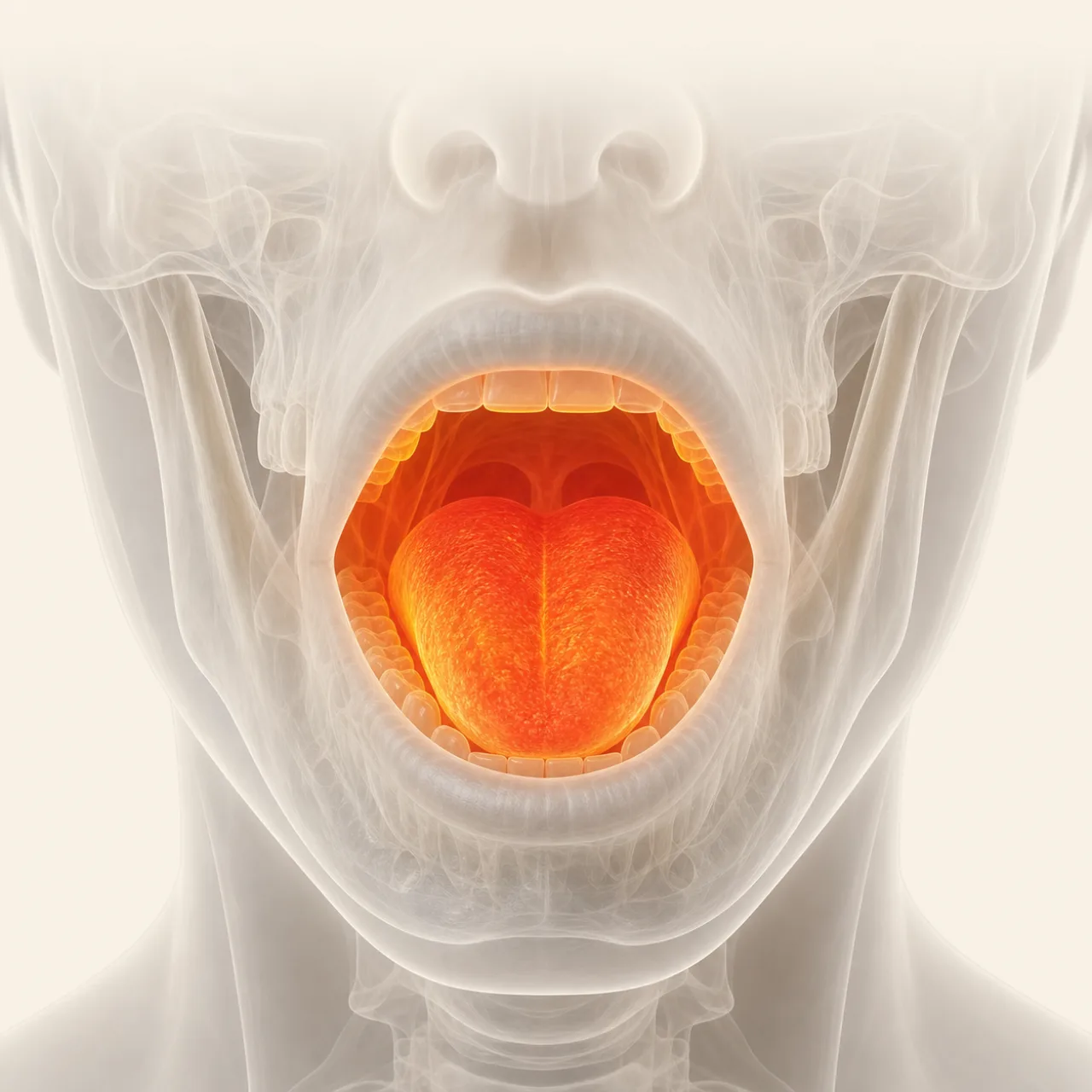
Tongueburning sensationis a symptom where the tip and edges of the tongue feel burning or tingling, as if scalded by hot food. The mouth may feel dry, and tastes may change to bitter or metallic; for many, it worsens in the afternoon and evening compared to the morning. Even without visible wounds, if it persists for several months, it can cause actual discomfort during meals, conversation, and sleep.
First, we check for oral candidiasis, lichen planus, geographic tongue, glossitis, nutritional deficiencies, diabetes, thyroid issues, reflux, dry mouthmedications that cause these conditions, and salivary secretion problems. If the cause is not identified or symptoms persist after treatment,Heat sensationwe examine the background of why heat is concentrating in the tongue and Jin-aek categorize the conditions.
Different types of the same symptom
Type where fire rises to the tip of the tongue (心火熾盛)
The tip of the tongue is exceptionally red and burning, often accompanied by throbbing, anxiety, poor sleep, and mouth ulcers. We focus on lowering the surging heart-fire.
Type where deficiency heat rises due to dried-up fluids (陰虛火旺)
The tongue is dry, symptoms worsen in the afternoon or night, and are accompanied by heat in the hands and feet, night sweats, and dry mouth. We supplement bodily fluids and calm the deficiency heat.
Type where stress transforms into heat (肝鬱化火)
On stressful days, the tongue and mouth feel more burning, accompanied by a foreign body sensation in the throat, chest tightness, and sighing. We regulate both the blocked energy and the upper-body heat reaction.
Type where damp-heat from the digestive system rises (脾胃濕熱)
A thick coating forms on the tongue, the mouth feels sticky, and it is accompanied by bloating, reflux, and a bitter taste. We examine the flow of digestive damp-heat rising upward.
Common Misconceptions
If the tongue looks normal, it is neurogenic
A burning sensation without visible changes is also a known symptom group. An evaluation of the cause and a record of the timing of the pain are necessary.
It will heal if you just avoid spicy and hot foods
Reducing irritation may lessen the pain, but if there are causes related to dry mouth, medication, nutrition, or metabolism, they must be checked together.
Since it is a heat sensation, cold medicines are used for all cases
The prescription direction differs between the type where actual heat is excessive and the type where deficiency heat rises due to a lack of bodily fluids.
Points to verify even if symptoms seem similar
Oral candidiasis
We check for white patches that can be wiped away, pain, and a history of immune deficiency or antibiotic use.
Geographic tongue and glossitis
We check for visible changes such as red spots on the tongue surface, smoothing, or cracking.
Oral lichen planus
If there are white net-like lesions or recurrent ulcers, oral medical evaluation is required.
Secondary burning sensation
We check for iron or vitamin deficiencies, diabetes, thyroid issues, reflux, medications that cause dry mouth, and decreased saliva secretion.
How this is evaluated during a medical consultation
Record the burning area, the time of day when it worsens, dry mouth, changes in taste, and the relationship with food, stress, and sleep. Secondary causes are first identified through oral examinations, necessary blood tests, and a review of current medications. If ulcers do not heal, or if there are hard lumps, bleeding, or difficulty swallowing, oral medical evaluation takes priority.
Afterward, the color, dryness, and coating of the tongue are observed during tongue diagnosis, and the condition is categorized into heart-fire, yin-deficiency, liver-qi stagnation, or spleen-stomach damp-heat through pulse and inquiry diagnosis. Progress is monitored not only by pain scores but also by the range of foods that can be eaten comfortably, dry mouth, the time of worsening in the afternoon, and the frequency of sleep disturbances.
Frequently Asked Questions about Burning Tongue Sensation
Can a burning sensation occur even if the tongue is not red?
Yes. There are cases where burning, tingling, or changes in taste persist without noticeable changes in the mucous membrane. The absence of visible changes does not mean there is no discomfort.
Is this different from Burning Mouth Syndrome?
Burning tongue sensation is an expression that emphasizes the affected area, while Burning Mouth Syndrome includes a persistent burning sensation throughout the entire oral cavity, including the tongue, lips, and palate.
From the perspective of heat and cold, this is viewed as a process where the causes of heat accumulation build up.
- Accumulation of causes that lead to heat concentration
- The body's regulatory functions cannot keep up
- This is seen as manifesting through symptoms such as upward heat or dryness
The process of verification during medical evaluation
Now, we verify when and how your symptoms change
Since the way discomfort manifests can differ even within the same diagnosis, we review existing test results alongside the progression of symptoms.

Pattern Identification (Byeon-jeung)
Symptoms are verified in detail through pulse diagnosis and medical interview
We use pulse diagnosis and patient interviews to identify heat syndrome tendencies and accompanying patterns, then explain the approach best suited to your current condition.
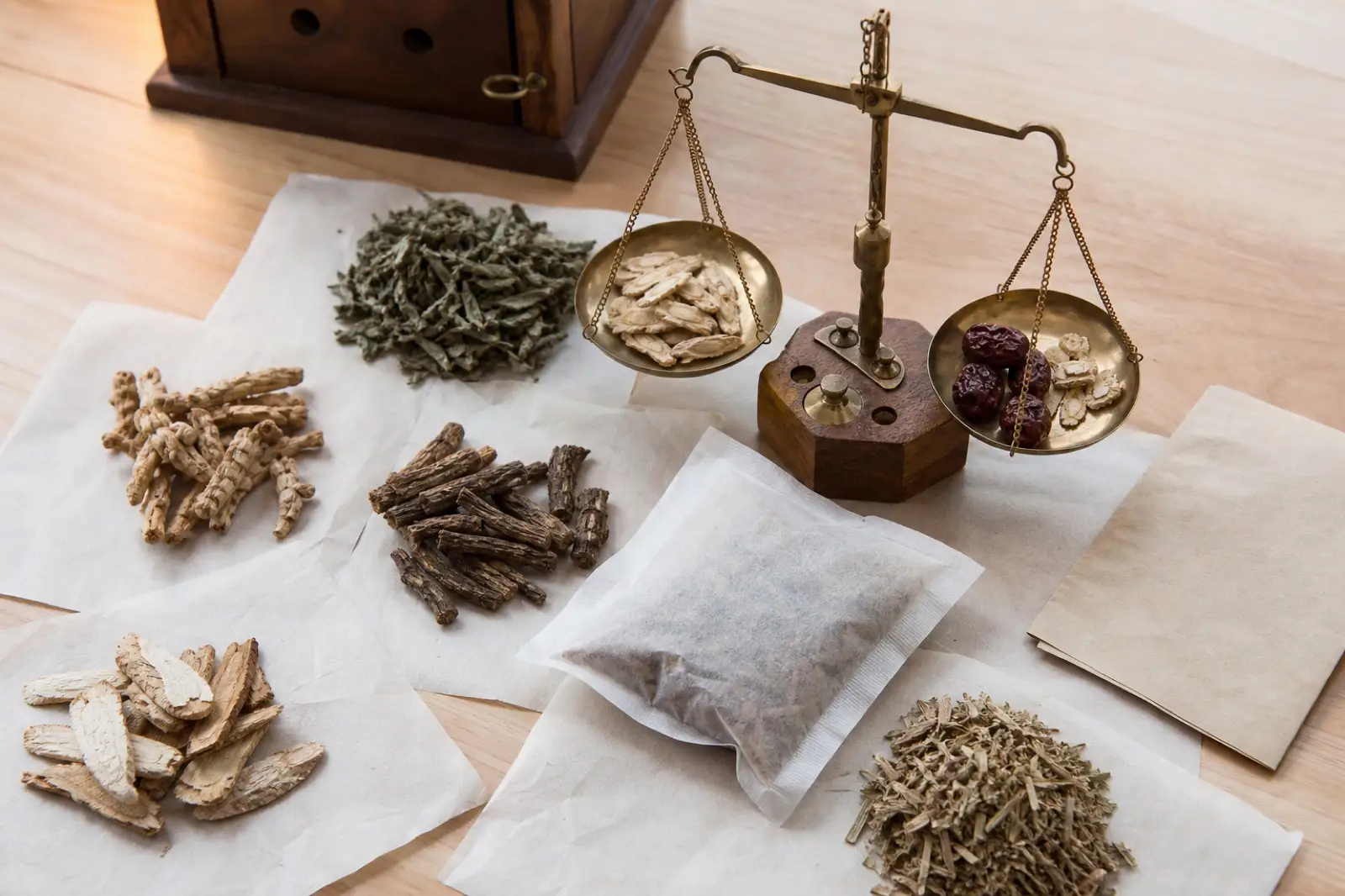
The prescription direction is determined, and changes after administration are verified
Based on the findings from the medical interview and examination, the prescription direction is explained, and the same director oversees everything from preparation to the changes after administration.
 Medical and Content Review
 Baekrokdam's medical standards
Burning tongue sensation: We listen to the progress before the name
We check the timing and area where the feeling of heat begins, along with changes in sweating, thirst, sleep, and nervousness. Even with the same diagnosis, the way the body produces and distributes heat varies; therefore, the categories identified through pulse, tongue, and patient interviews are linked to the Korean herbal medicine prescription and progress monitoring.
"For discomfort that cannot be explained by test results alone, we trace back through the symptoms starting from when they first began."
- Graduated from Kyung Hee University College of Korean Medicine
- Chief Director of Baekrokdam Korean Medicine Clinic
Before Your Consultation
Please make a note of the time when heat rises, its relationship with meals, sleep, and nervousness, as well as any recent tests and medications you are taking.
During Your First Visit
Rather than concluding with a single symptom name, we categorize the onset, aggravating factors, and accompanying symptoms based on the patterns of cold and heat.
Once Treatment Begins
Prescriptions are adjusted based not only on the intensity of discomfort but also on the frequency, recovery time, and changes observed in your daily life.