頭汗症 · Craniofacial Hyperhidrosis
We categorize cranial and facial hyperhidrosis, where sweat is concentrated on the head and face, based on its relationship with eating, tension, sleep, and sensations of heat, and explain the diagnostic criteria for heat-cold pattern identification.
What to check first
We identify when the symptoms began, situations that worsen them, and any accompanying discomfort.
What to distinguish together
We narrow down the possibilities by comparing similar-looking conditions with previous test results.
What to look for on this page
We provide guidance on major patterns, differential criteria, and the sequence of confirmation during the medical evaluation.
General examinations look for systemic causes such as thyroid issues, medication side effects, or menopausal changes. These symptoms may be a pattern where heat and tension responses rapidly concentrate in the head and face, which is evaluated through Byeonjeung (pattern identification).
Korean medicine diagnosis looks at a different layer than hospital tests: it is not superior, but a different perspective.
Key information at a glance
- Sweating is categorized into meal-related, tension-related, heat-surge, and qi-deficiency types.
- It is distinguished from facial flushing, thyroid-related sweating, and menopausal hot flashes.
- The triggers that start the sweating and the time it takes to subside are used as criteria for treatment.
We look beyond the tests to identify the root cause of your specific case.
Overview
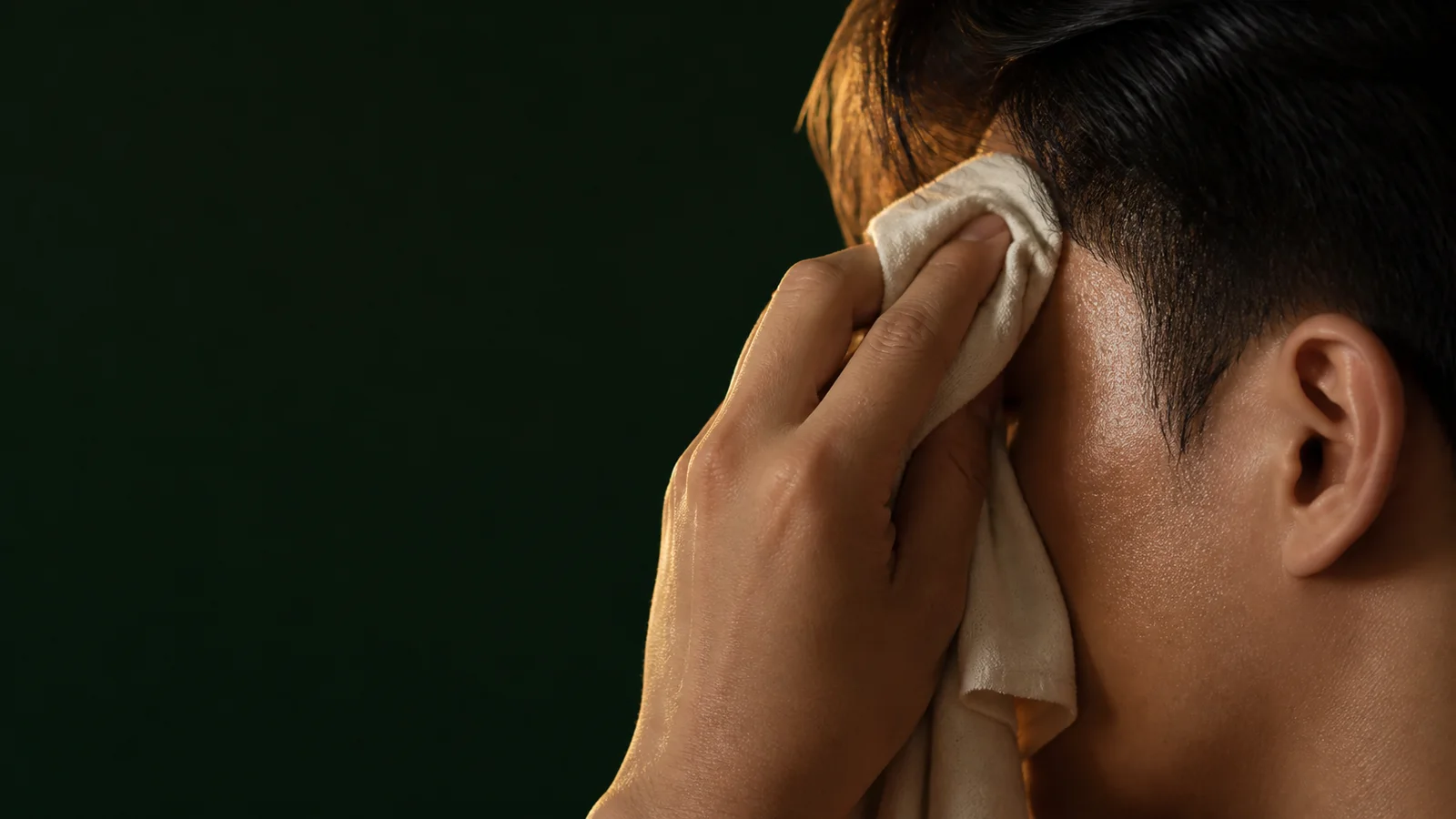
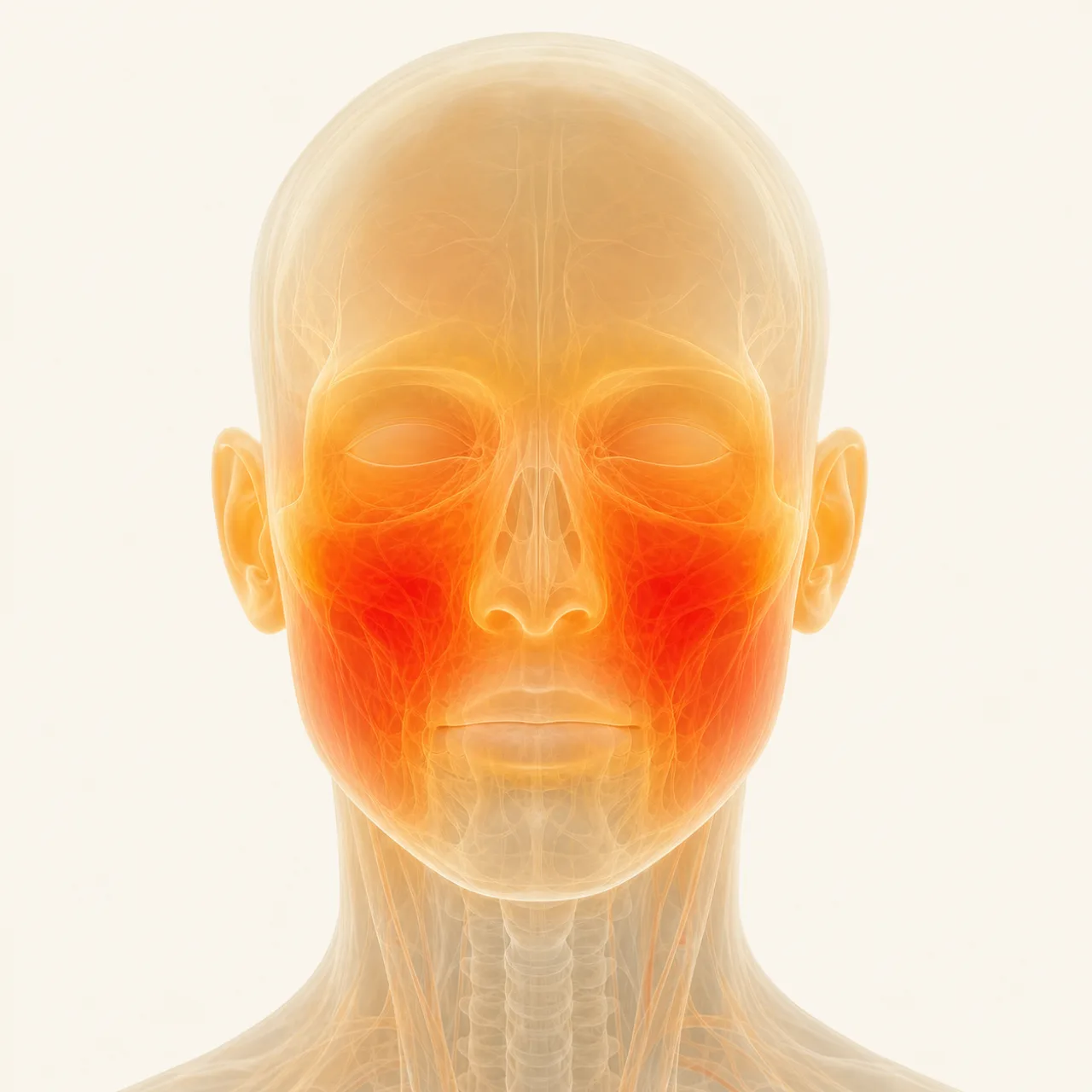
ColdCold Syndromeand facialHyperhidrosisis a symptom where sweating is concentrated around the head, scalp, forehead, and nose. The triggers are often relatively clear, such as when eating spicy or hot foods, speaking in front of people, or entering an indoor space. Because it is immediately visible on the face, the discomfort caused by others' gaze and tension can be greater than the actual amount of sweat.
Recently onset systemic Sweating, weight loss, severe palpitations, or changes in medication, a cause evaluation must come first. If sweating of the head and face persists after that, we distinguish whether heat is concentrating upward, whether tension signals are triggered rapidly, or whether damp-heat rises after digestion.
Different types of the same symptom
Type where heat and moisture rise after meals (胃熱濕蒸)
When eating hot or spicy foods, sweating increases on the nose, forehead, and scalp, accompanied by bloating, bad breath, and thirst. We evaluate the damp-heat rising from the digestive system.
Type where heat surges to the face during tension (肝鬱化火)
Flushing and sweating suddenly increase during presentations, conversations, or situations requiring concentration, accompanied by a feeling of tightness in the throat and chest. We regulate the speed at which tension turns into heat and the recovery process.
Type where heat rises due to a deficiency of Jin-aek (body fluids) (陰虛火旺)
The face flushes in the afternoon and at night, the mouth feels dry, and sleep is shallow. Insufficient Jin-aekis supplemented while calming the heat that rises upward.
Type where sweat occurs on the head due to weak energy (氣虛自汗)
Energy drains after activity or meals, accompanied by clear sweat, shortness of breath, and easy fatigue. We reinforce the power to control sweating and support digestive recovery.
Common Misconceptions
Facial sweating always starts from embarrassment
While tension is an aggravating factor, it is also necessary to distinguish between gustatory sweating, hormonal changes, and sweating related to the thyroid or medications.
The scalp is hot, so just cooling it down is enough
External cooling may provide temporary relief, but it may not change the underlying pattern of the recurring reaction.
It can be treated the same as facial flushing
The criteria for medical evaluation differ depending on whether redness or sweating occurs first, or if sweating occurs without a sensation of heat.
Points to verify even if symptoms seem similar
Facial Flushing / Rosacea
We check if the primary symptoms are redness, burning sensations, and skin changes where blood vessels are visible.
Gustatory Sweating
Patterns where sweating occurs on one side of the face after eating specific foods or following parotid gland surgery require a separate evaluation.
Sweating related to Hyperthyroidism
We check for overlapping symptoms such as general heat sensitivity, hand tremors, increased heart rate, and weight loss.
Menopausal Hot Flashes
We look for sudden surges of heat followed by chills, along with overlapping menstrual changes or sleep disorders.
How this is evaluated during a medical consultation
We ask about the first area where sweating begins and the specific situation. For meals, we record the temperature or spiciness of the food; for nervousness, we note presentations, conversations, or driving; for environment, we record the temperature difference between indoors and outdoors. Whether the face flushes first, or if sweating occurs without a feeling of heat or throbbing, provides important clues.
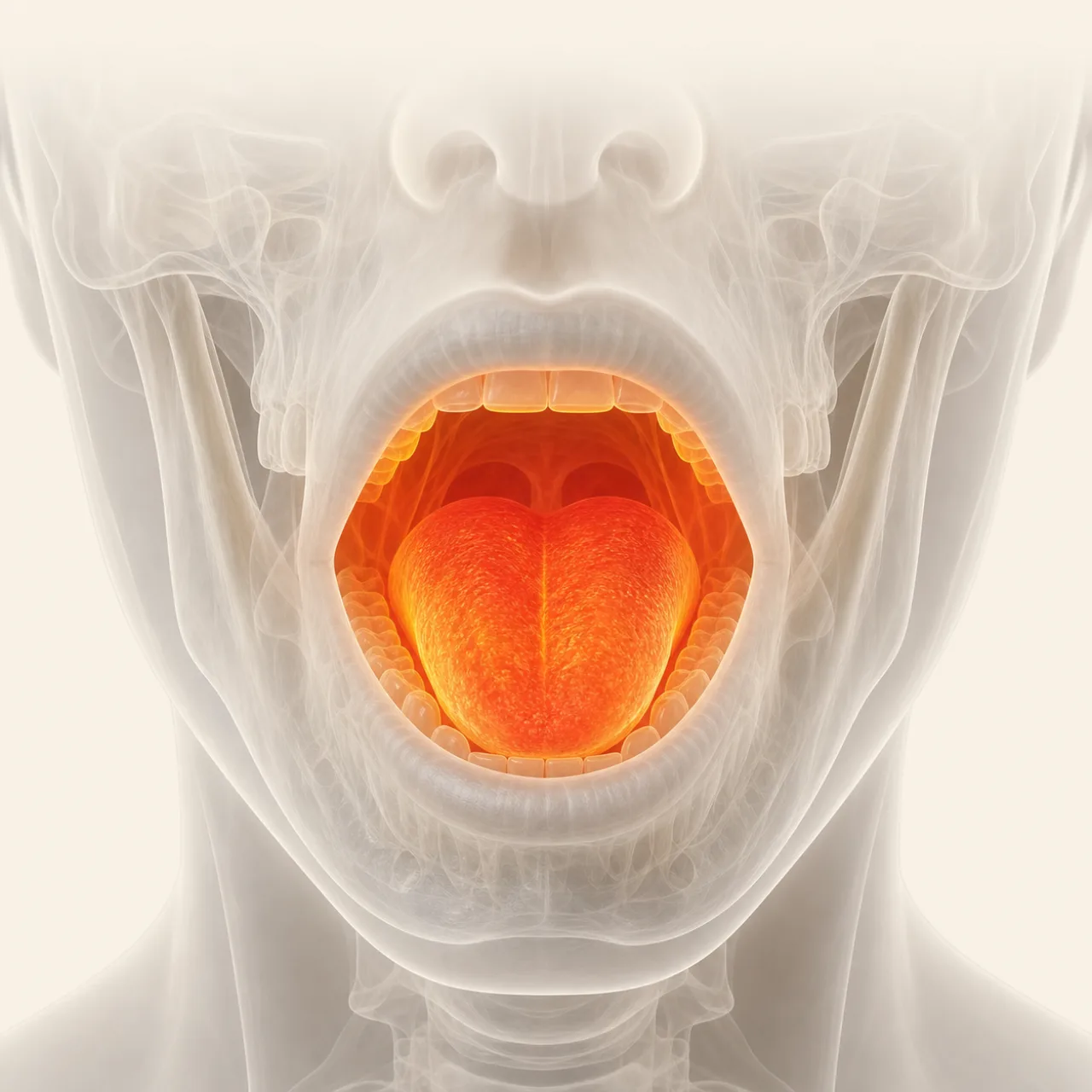
Through pulse diagnosis, tongue diagnosis, and patient interviews, we categorize the symptoms into heat rising upward, damp-heat in the digestive system, deficiency of body fluids, or decline in energy. Progress is monitored by the frequency of wiping the face, the time it takes for sweating to start, the time it takes to subside, and whether you can return to meals or social conversations that you previously avoided.
Frequently Asked Questions about Craniofacial Hyperhidrosis and Facial Hyperhidrosis
If I sweat on my face, does it always mean I have too much heat in my body?
While there are heat-related patterns accompanied by facial flushing and thirst, there are also patterns where sweating occurs with a loss of energy after meals or increases sharply only during nervousness; these must be distinguished.
Are facial flushing and craniofacial hyperhidrosis the same symptom?
They can appear together, but flushing centers on blood vessel dilation and redness, while craniofacial hyperhidrosis centers on excessive sweating. We check which one starts first.
From the perspective of heat and cold, this is viewed as a process where the causes of heat accumulation build up.
- Accumulation of causes that lead to heat concentration
- The body's regulatory functions cannot keep up
- This is seen as manifesting through symptoms such as upward heat or dryness
The process of verification during medical evaluation
Now, we verify when and how your symptoms change
Since the way discomfort manifests can differ even within the same diagnosis, we review existing test results alongside the progression of symptoms.
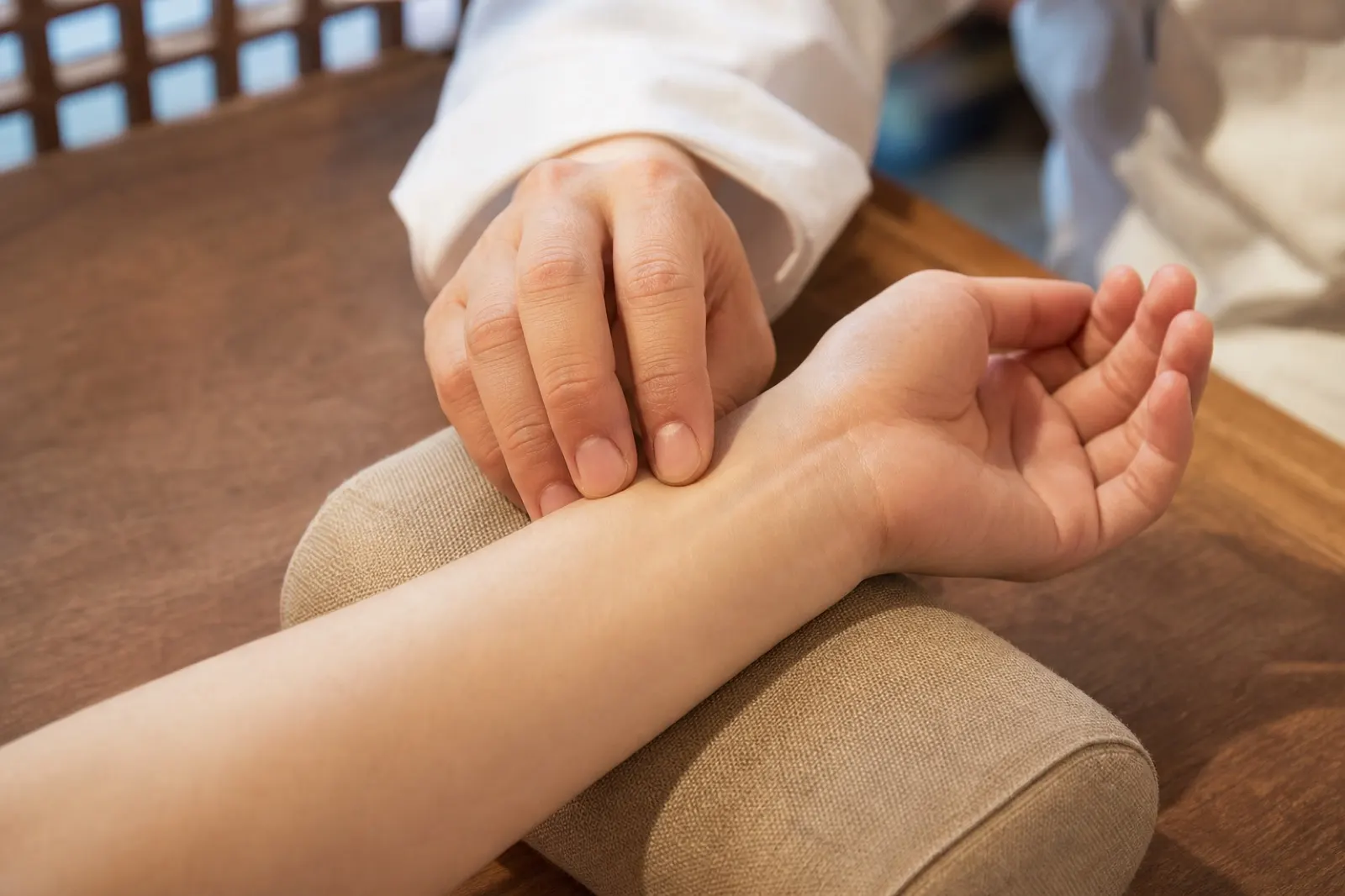
Pattern Identification (Byeon-jeung)
Symptoms are verified in detail through pulse diagnosis and medical interview
We use pulse diagnosis and patient interviews to identify heat syndrome tendencies and accompanying patterns, then explain the approach best suited to your current condition.
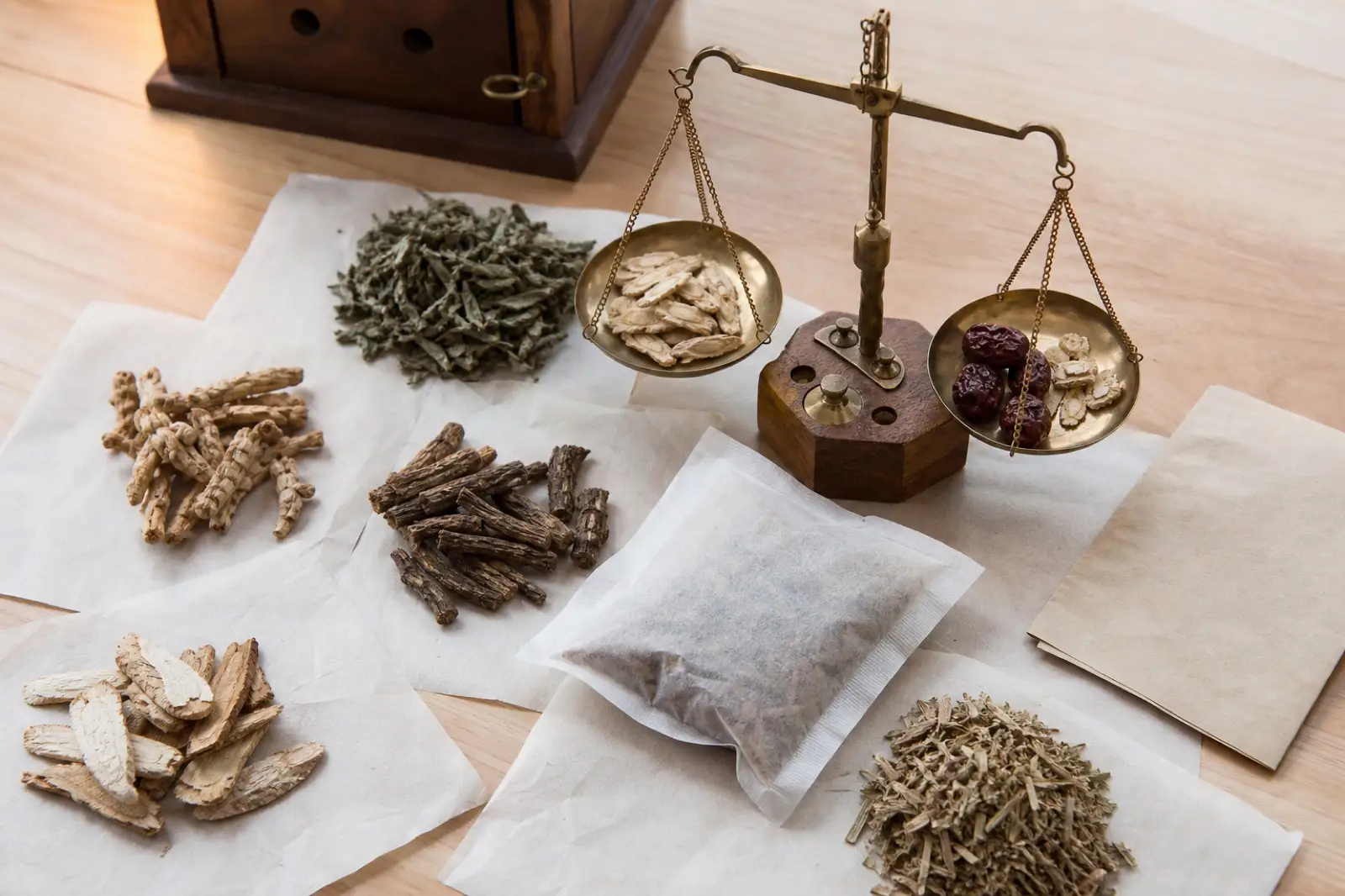
The prescription direction is determined, and changes after administration are verified
Based on the findings from the medical interview and examination, the prescription direction is explained, and the same director oversees everything from preparation to the changes after administration.
 Medical and Content Review
 Baekrokdam's medical standards
Craniofacial and Facial Hyperhidrosis: We listen to the progress before the name of the condition
We check the timing and area where the feeling of heat begins, along with changes in sweating, thirst, sleep, and nervousness. Even with the same diagnosis, the way the body produces and distributes heat varies; therefore, the categories identified through pulse, tongue, and patient interviews are linked to the Korean herbal medicine prescription and progress monitoring.
"For discomfort that cannot be explained by test results alone, we trace back through the symptoms starting from when they first began."
- Graduated from Kyung Hee University College of Korean Medicine
- Chief Director of Baekrokdam Korean Medicine Clinic
Before Your Consultation
Please make a note of the time when heat rises, its relationship with meals, sleep, and nervousness, as well as any recent tests and medications you are taking.
During Your First Visit
Rather than concluding with a single symptom name, we categorize the onset, aggravating factors, and accompanying symptoms based on the patterns of cold and heat.
Once Treatment Begins
Prescriptions are adjusted based not only on the intensity of discomfort but also on the frequency, recovery time, and changes observed in your daily life.