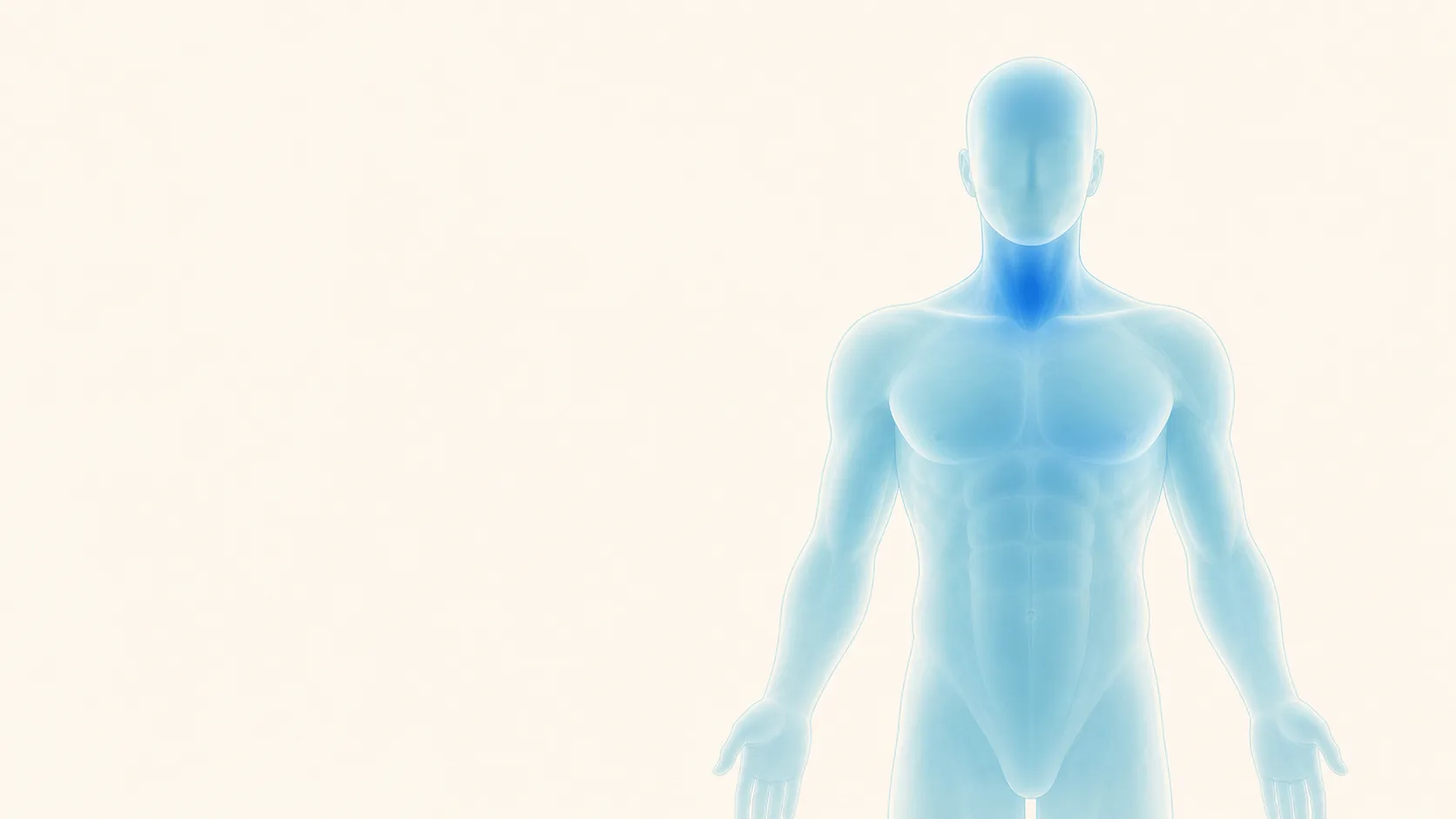
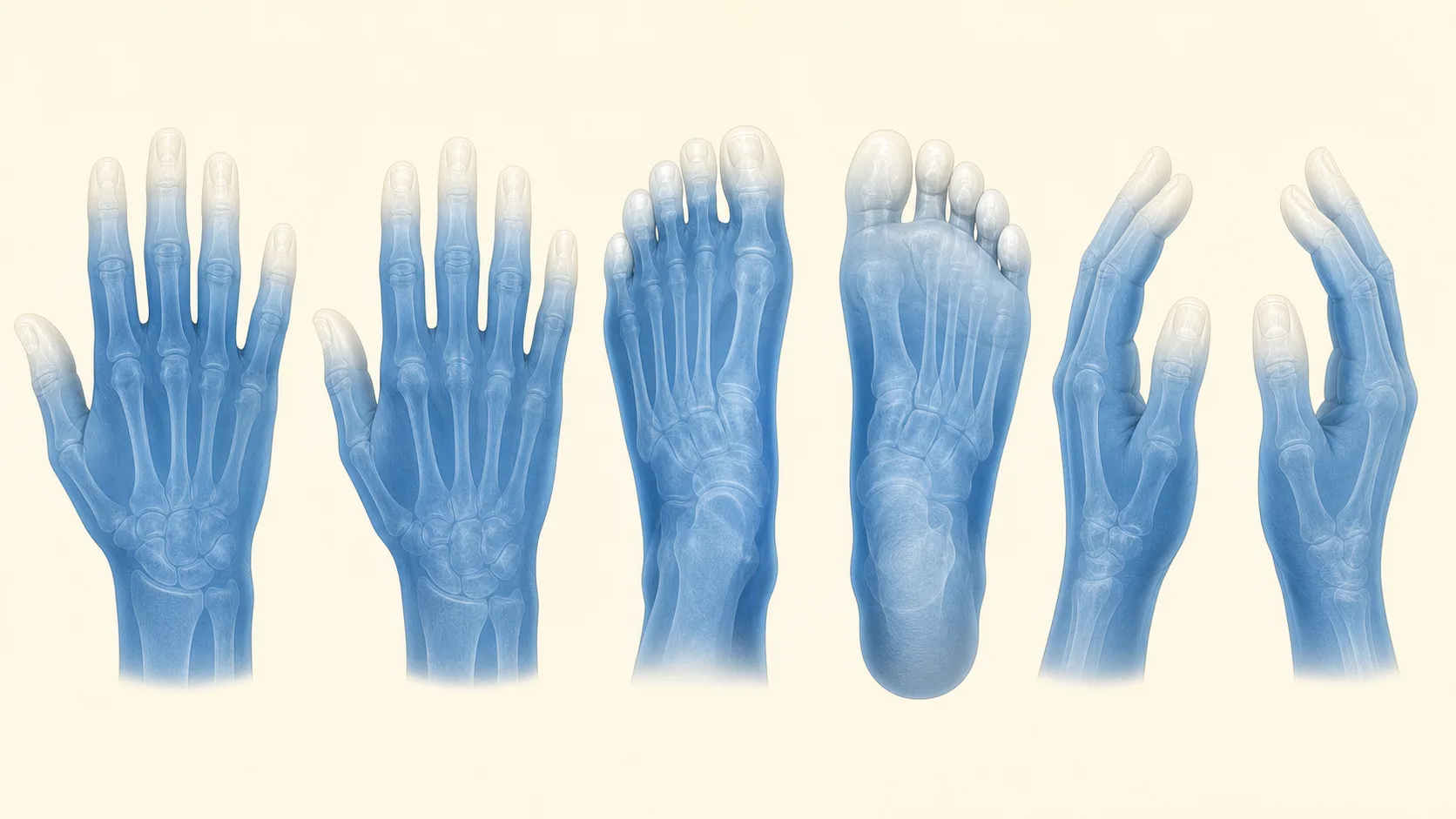
寒冷蕁麻疹 · Cold Urticaria
We explain the characteristics of cold urticaria, where wheals and itching occur after exposure to cold wind or cold water, as well as systemic reactions, heat-cold pattern identification, and the criteria for considering Korean herbal medicine treatment.
What to check first
We identify when the symptoms began, situations that worsen them, and any accompanying discomfort.
What to distinguish together
We narrow down the possibilities by comparing similar-looking conditions with previous test results.
What to look for on this page
We provide guidance on major patterns, differential criteria, and the sequence of confirmation during the medical evaluation.
General examinations look at the relationship between cold stimuli and wheals, as well as systemic allergic reactions. These symptoms may be a branch of hypersensitivity in skin defense and circulatory responses to cold, which we examine through pattern identification.
Korean medicine diagnosis looks at a different layer than hospital tests: it is not superior, but a different perspective.
Key information at a glance
- Check if wheals appear within minutes after cold stimulation
- If there was swelling of the lips or throat and respiratory symptoms, a safety evaluation comes first
- Categorized into Qi and Blood Deficiency, Yang Deficiency Cold Response, Wind-Cold Exterior, and Blood Deficiency Wind-Dryness
We look beyond the tests to identify the root cause of your specific case.
Overview
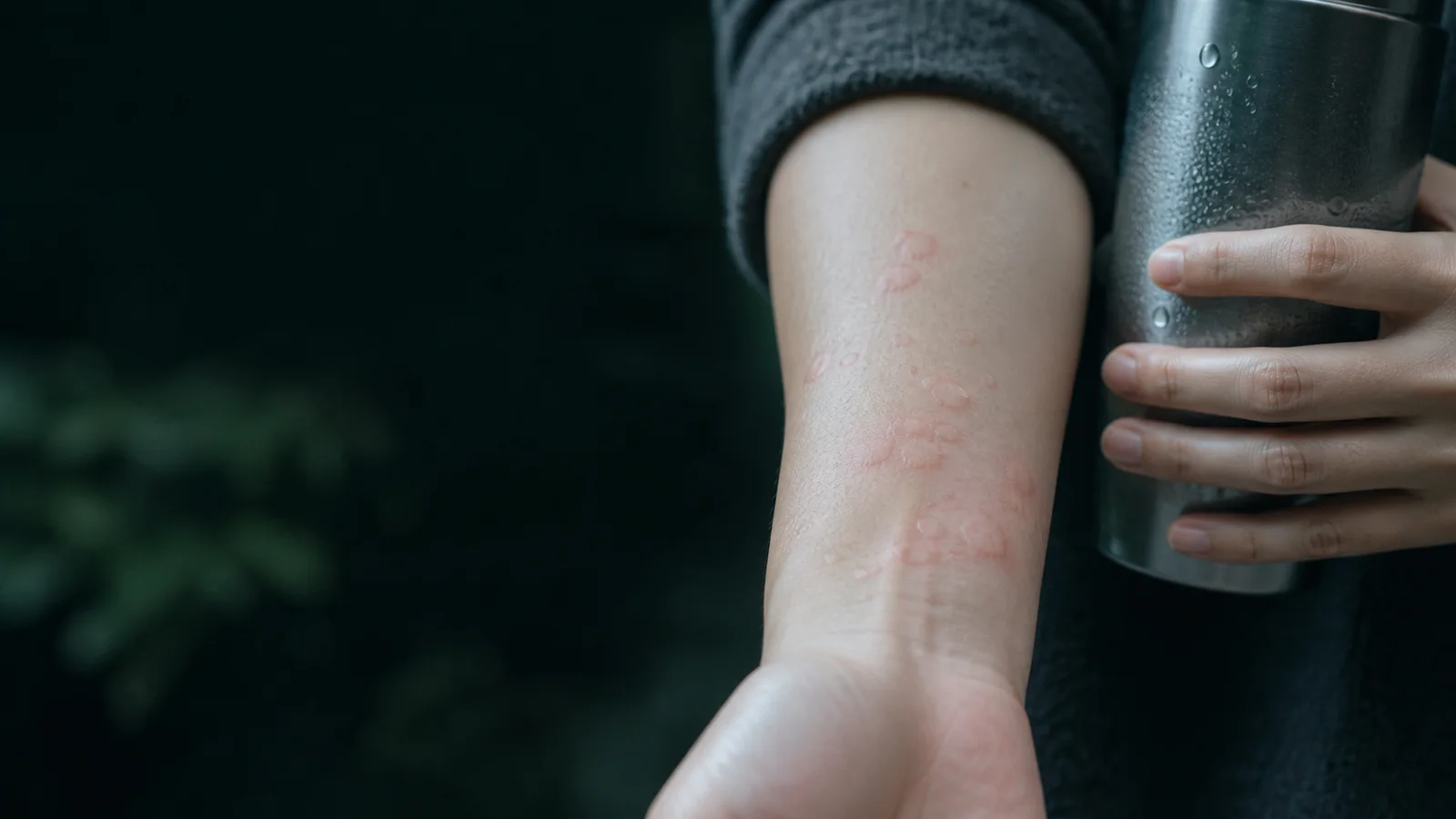
Cold urticaria is a physical urticaria where red, swollen, and itchy wheals appear on the skin after exposure to cold air, cold water, or cold objects. Symptoms may worsen when the skin warms up again rather than immediately after exposure. If a large area of skin cools down at once, such as during swimming, a systemic reaction can occur, so it is not viewed as simple skin coldness.
If this recurs, it limits daily activities that are difficult to avoid, such as going out in winter, taking cold showers, using air conditioning, or handling refrigerated foods. Hanyeol During medical evaluation, we first check the safety assessment and triggering stimuli, then categorize the underlying reasons why skin defense and circulatory responses collapse easily in the cold.
Different types of the same symptom
Type with weak skin defense (衛氣不固)
Hives occur easily not only in cold wind but also during seasonal transitions, and the person frequently catches colds and sweats easily. We reinforce the strength that protects the outer skin.
Type characterized by a lack of internal warmth, making one deeply susceptible to cold (陽虛寒凝)
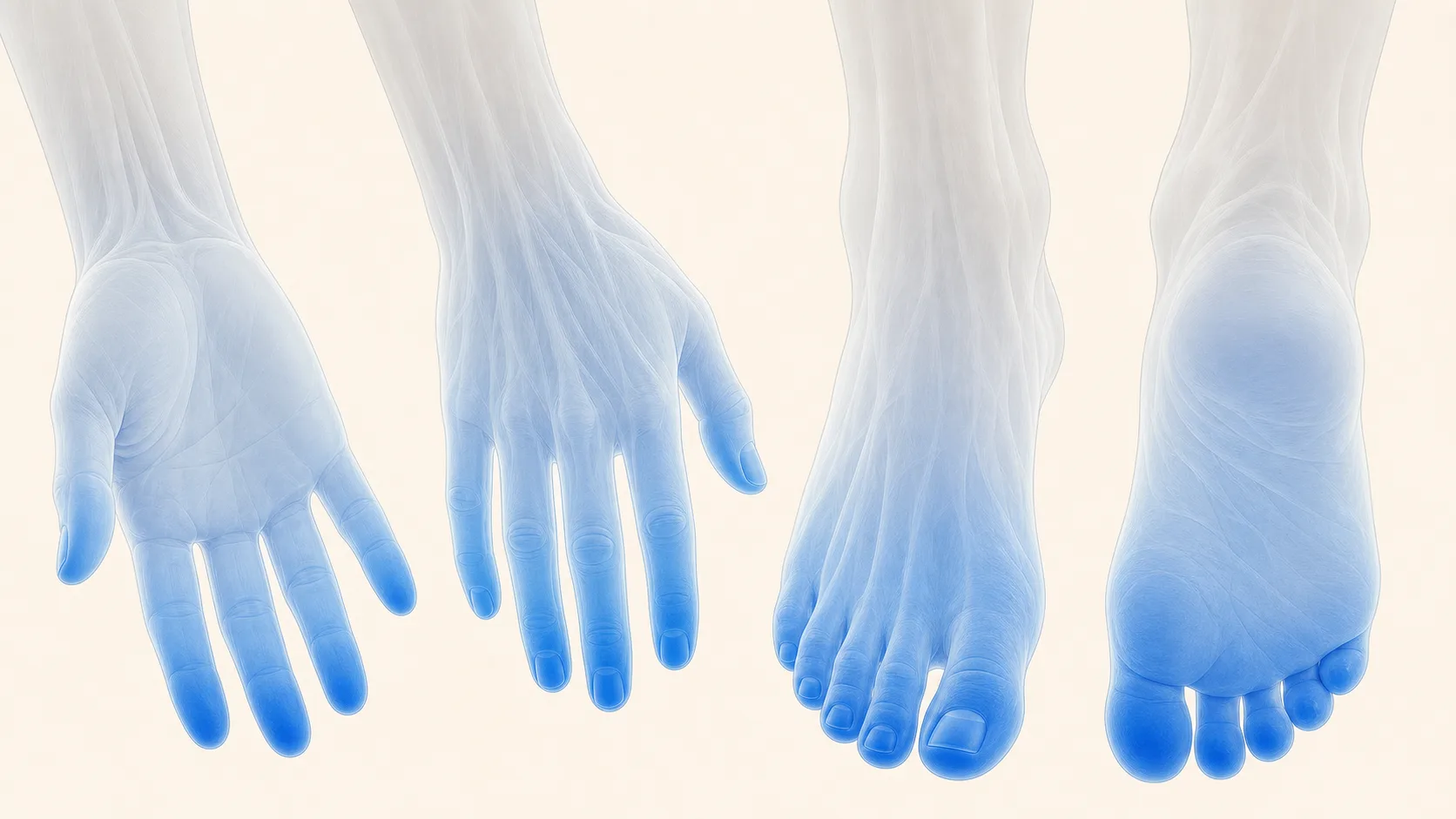
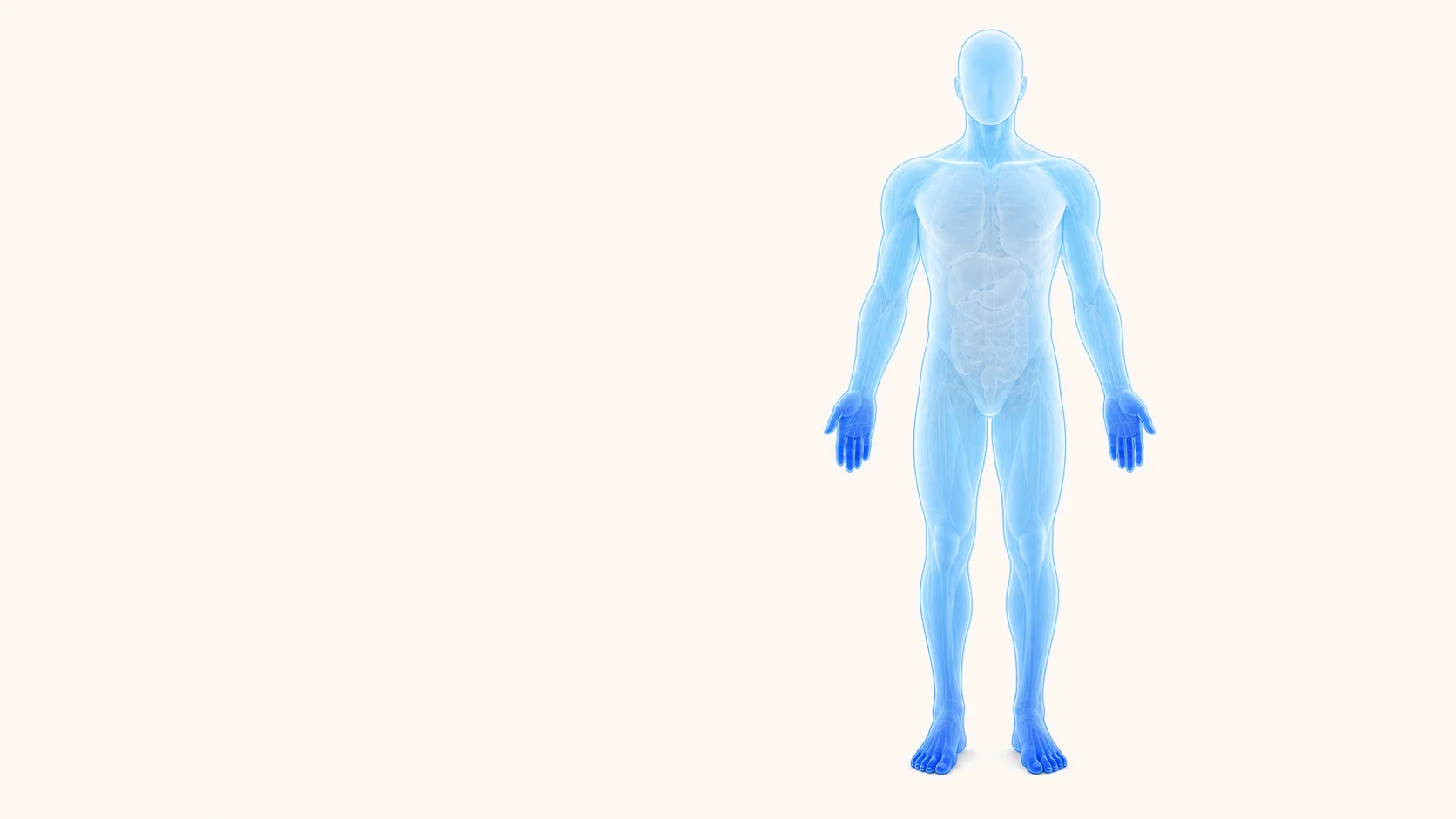
The hands, feet, and entire body feel cold and take a long time to warm up, often accompanied by fatigue and poor digestion. We focus on restoring both body warmth and circulation.
Type where cold stimuli linger on the skin (風寒束表)
Wheals (hives) appear quickly on exposed areas and subside in warm environments. We regulate the skin surface's hypersensitive reaction to cold stimuli.
Type where dry skin leads to lingering itchiness (血虛風燥)
Even after wheals subside, dryness and itchiness persist, and the skin cracks easily. We examine both the recovery of skin hydration and the stimulus response.
Common Misconceptions
It occurs in anyone with a constitution that is very sensitive to cold
cold sensationUnlike this, the key is whether actual wheals repeatedly appear after cold stimulation.
You can just gradually adapt to cold water
Arbitrary exposure to cold water carries a risk of systemic reactions; it is safer not to test this before a diagnosis.
It is a problem that only occurs on the skin
Systemic reactions such as swelling of the lips and throat, dizziness, or difficulty breathing may occur.
Points to verify even if symptoms seem similar
Dry eczema
We distinguish between rough, cracked red skin that lasts for several days after exposure to cold wind and wheals that disappear within a few hours.
Cholinergic urticaria
Small wheals appear when body temperature rises due to exercise, heat, or stress, rather than cold.
Raynaud's phenomenon
Rather than wheals, the fingers turn white and blue, accompanied by pain ornumbnessis the central focus.
Contact urticaria
Check whether the reaction recurs in the specific area where a substance touched, regardless of temperature.
How this is evaluated during a medical consultation
Record the type of cold stimulus, how many minutes after exposure the reaction appeared, photos of the wheals, and the time they disappeared. First, check for experiences of systemic reactions, underlying diseases, and current medications. Do not test directly with ice or cold water without a medical professional's judgment.
If there was swelling of the lips, tongue, or throat, shortness of breath, dizziness, or a feeling of fainting, allergy treatment and an emergency response plan take priority. After confirming the safety range, pulse diagnosis·Consult on Korean herbal medicine treatment by categorizing the condition into deficiency of Wei-Qi, Yang deficiency with cold response, skin dryness, and recovery status through tongue and patient interviews.
Frequently Asked Questions about Cold Urticaria
Is hives caused by cold wind also a type of cold urticaria?
If wheals and itching repeatedly occur in areas exposed to cold wind, the possibility is checked. However, it is necessary to distinguish this from dry eczema or other types of physical urticaria.
What is checked first before Korean herbal medicine treatment?
First, we check if there was dizziness, difficulty breathing, or swelling of the lips or throat after systemic exposure to cold water. For such reactions, a safety plan and allergy evaluation take priority.
From the perspective of heat and cold, this is viewed as a process where a cold bias accumulates.
- Accumulation of causes for decreased circulation and Yang energy
- The body's regulatory functions cannot keep up
- This is seen as manifesting as symptoms of cold hypersensitivity and decreased circulation
The process of verification during medical evaluation
Now, we verify when and how your symptoms change
Since the way discomfort manifests can differ even within the same diagnosis, we review existing test results alongside the progression of symptoms.
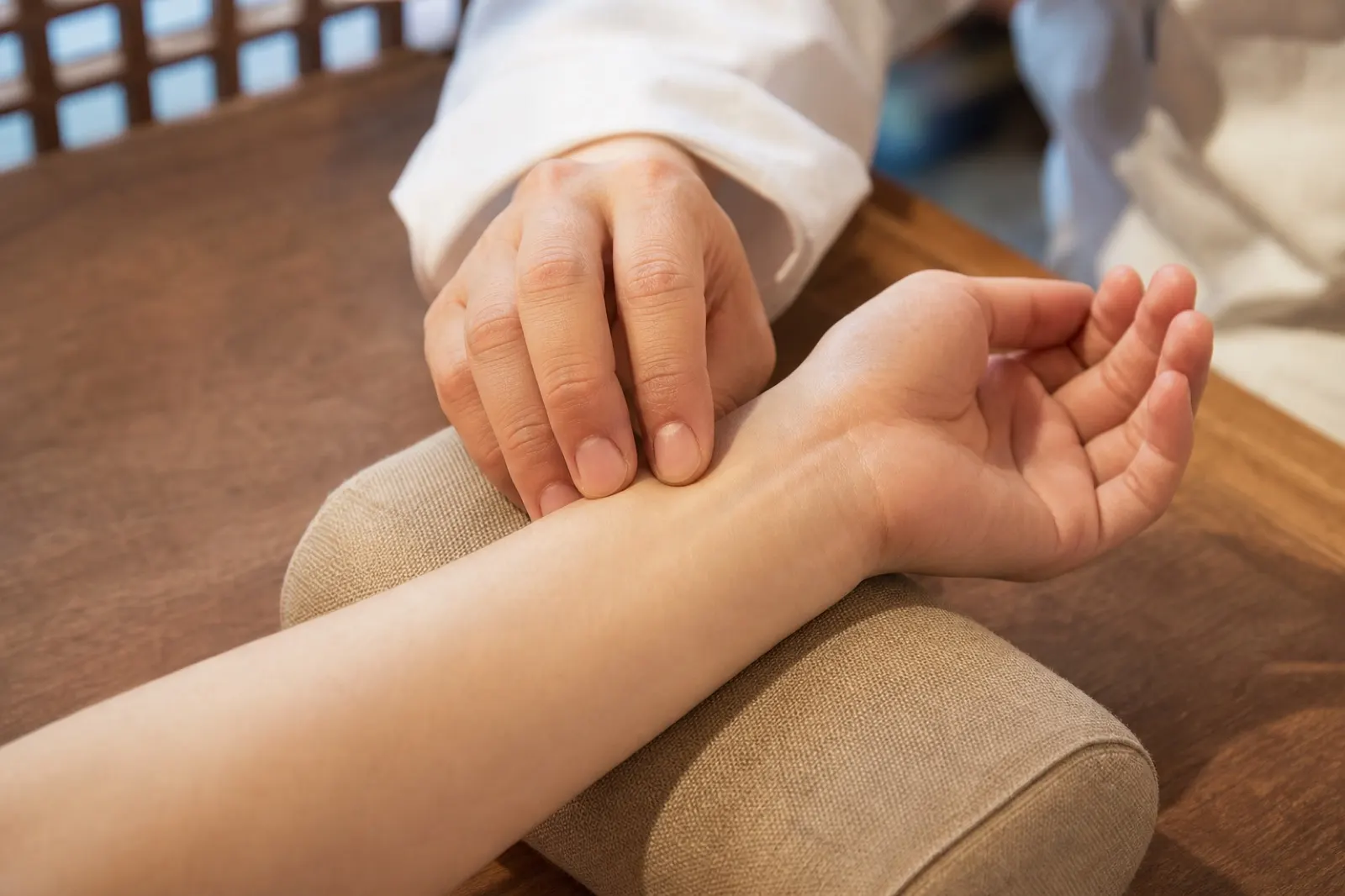
Pattern Identification (Byeon-jeung)
Symptoms are verified in detail through pulse diagnosis and medical interview
Through pulse diagnosis and medical interview, we identify tendencies toward cold hypersensitivity and accompanying patterns, and explain the approach suited to your current condition.
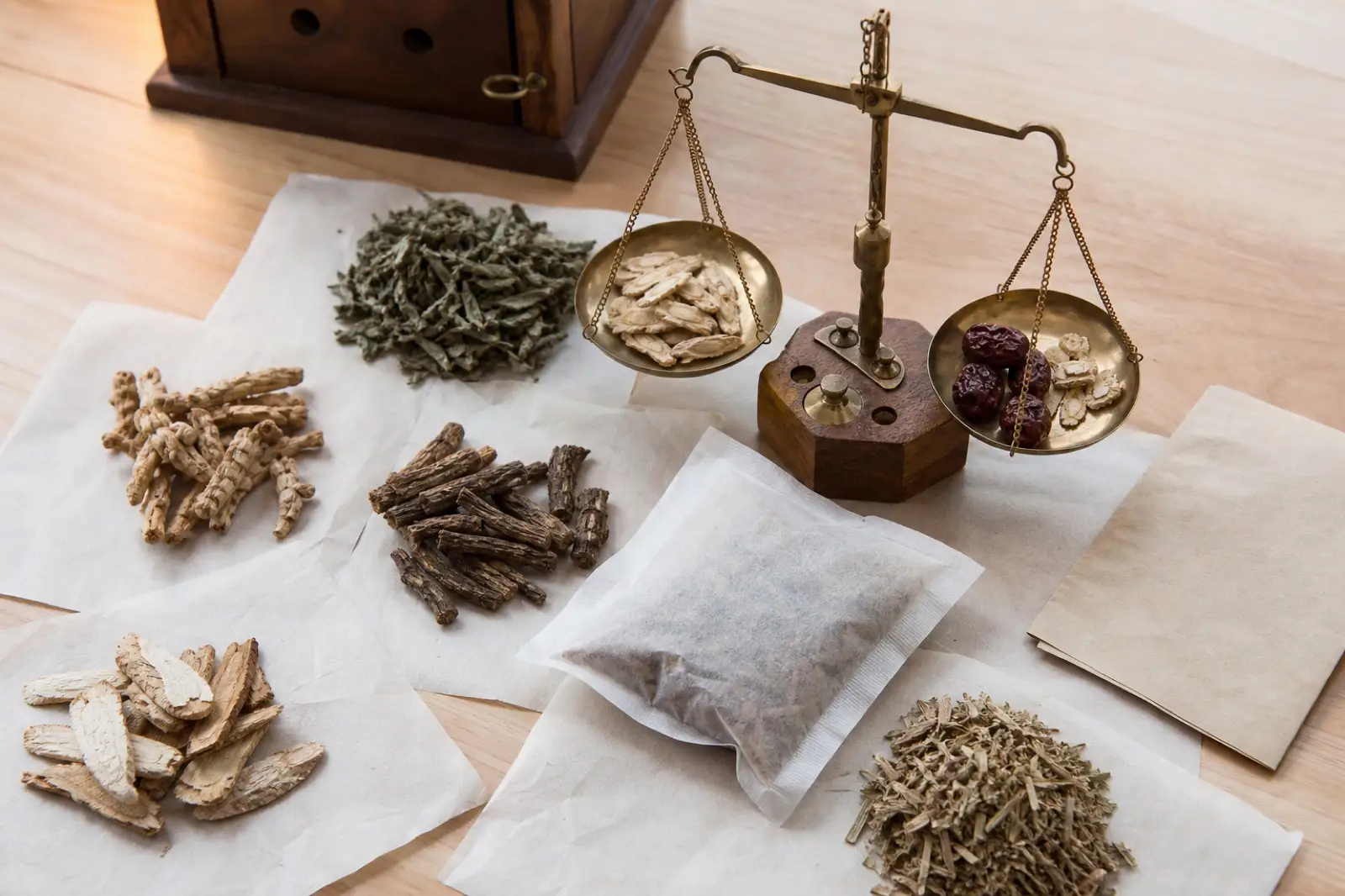
The prescription direction is determined, and changes after administration are verified
Based on the findings from the medical interview and examination, the prescription direction is explained, and the same director oversees everything from preparation to the changes after administration.
 Medical and Content Review
 Baekrokdam's medical standards
Cold Urticaria: Prioritizing the clinical course over the name
We check the areas where coldness lingers, the recovery speed, digestion, fatigue, sleep, and reactions to temperature changes. Because the way the body generates and distributes heat differs even for the same diagnosis, the patterns identified through pulse, tongue, and medical interviews are linked to the Korean herbal medicine prescription and follow-up.
"For discomfort that cannot be explained by test results alone, we trace back through the symptoms starting from when they first began."
- Graduated from Kyung Hee University College of Korean Medicine
- Chief Director of Baekrokdam Korean Medicine Clinic
Before Your Consultation
Please make a note of the times and areas where the cold sensation is most severe, how long the warmth lasts after applying heat, and any recent tests or medications you are taking.
During Your First Visit
Rather than concluding with a single symptom name, we categorize the onset, aggravating factors, and accompanying symptoms based on the patterns of cold and heat.
Once Treatment Begins
Prescriptions are adjusted based not only on the intensity of discomfort but also on the frequency, recovery time, and changes observed in your daily life.