盜汗症 · Night Sweats
We categorize the causes of night sweats (Dohan) where clothes and bedding become soaked after falling asleep, and explain how to monitor treatment progress through the amount of sweat, frequency of waking, time taken to fall back asleep, and morning fatigue.
What to check first
We identify when the symptoms began, situations that worsen them, and any accompanying discomfort.
What to distinguish together
We narrow down the possibilities by comparing similar-looking conditions with previous test results.
What to look for on this page
We provide guidance on major patterns, differential criteria, and the sequence of confirmation during the medical evaluation.
General tests look for causes of night sweats such as infection, thyroid issues, medication, or hormonal changes. Even after these tests, this symptom may be a pattern where internal heat and depletion of bodily fluids recur during the sleep and recovery process, which we examine through pattern identification (Byeonjeung).
Korean medicine diagnosis looks at a different layer than hospital tests: it is not superior, but a different perspective.
Key information at a glance
- We check whether there is recurrent sweating that soaks the bedding even in a cool room
- We first rule out new causes such as infection, thyroid issues, or medication.
- We compare the amount of sweat, the number of times you wake up, the time it takes to fall back asleep, and morning fatigue.
- These are categorized into Yin deficiency, Qi and Yin deficiency, Heart and Spleen deficiency, and Damp-Heat types.
We look beyond the tests to identify the root cause of your specific case.
Overview
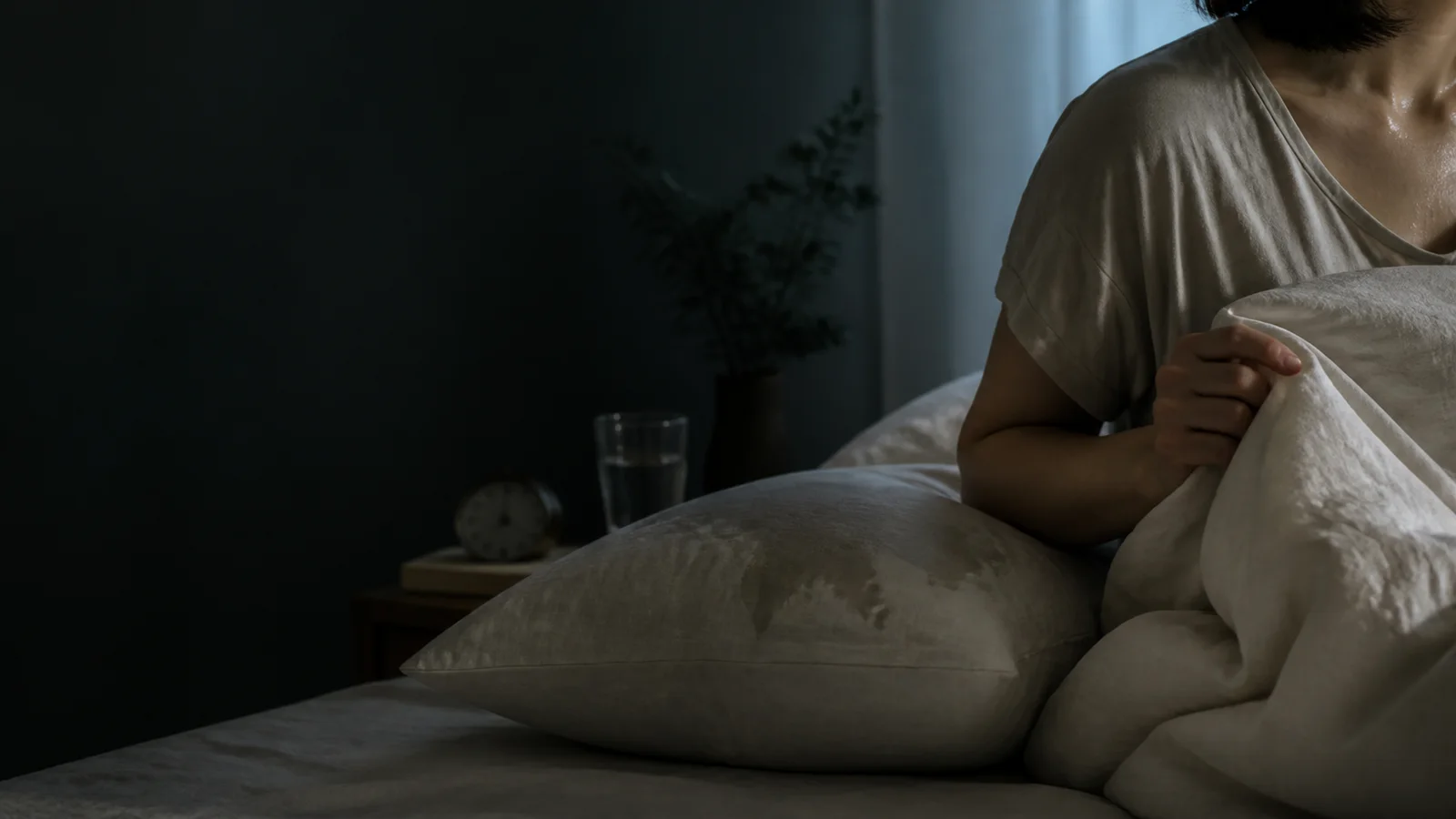
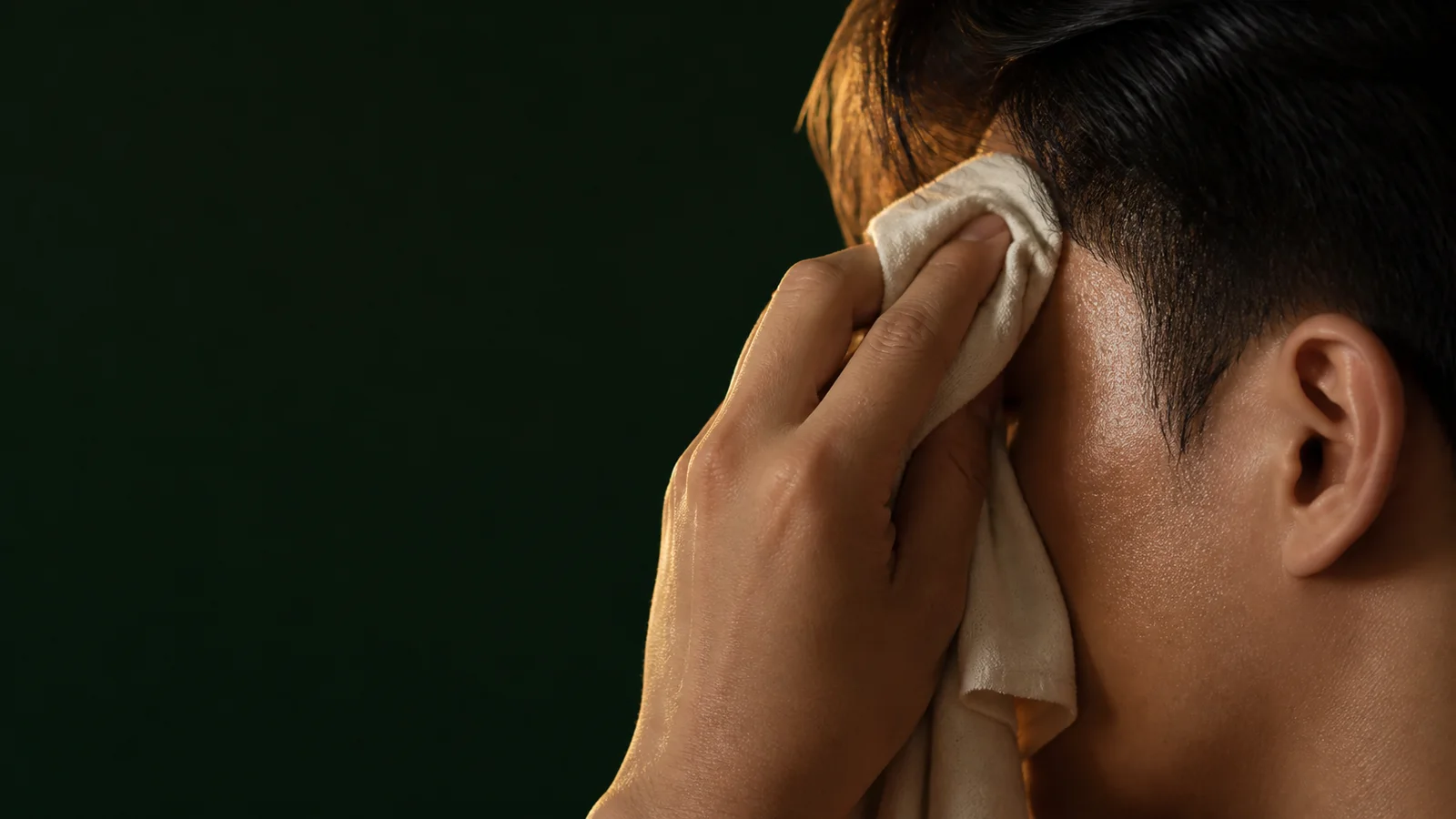
DohanThis symptom refers to a pattern where sweating occurs after falling asleep and decreases upon waking. If your pajamas or bedding become wet enough to need changing even in a cool room, do not simply dismiss it as being sensitive to heat; instead, examine the onset and accompanying symptoms. If sleep is frequently interrupted, the primary discomfort may be the next day's fatigue, palpitations, and decreased concentration, rather than the sweat itself.
Recent sudden onset of nocturnalSweatingto Fever·cough·diarrhea·unexplained weight loss·severe palpitations, if these overlap, evaluating the cause is the priority. We also check for the start or dosage changes of medications and menopausal changes. If the pattern of fever rising every night and waking from sweat persists after examining these causes, Hanyeolit is categorized as a recovery issue.
Different types of the same symptom
Type where internal heat rises due to depleted bodily fluids (陰虛火旺)
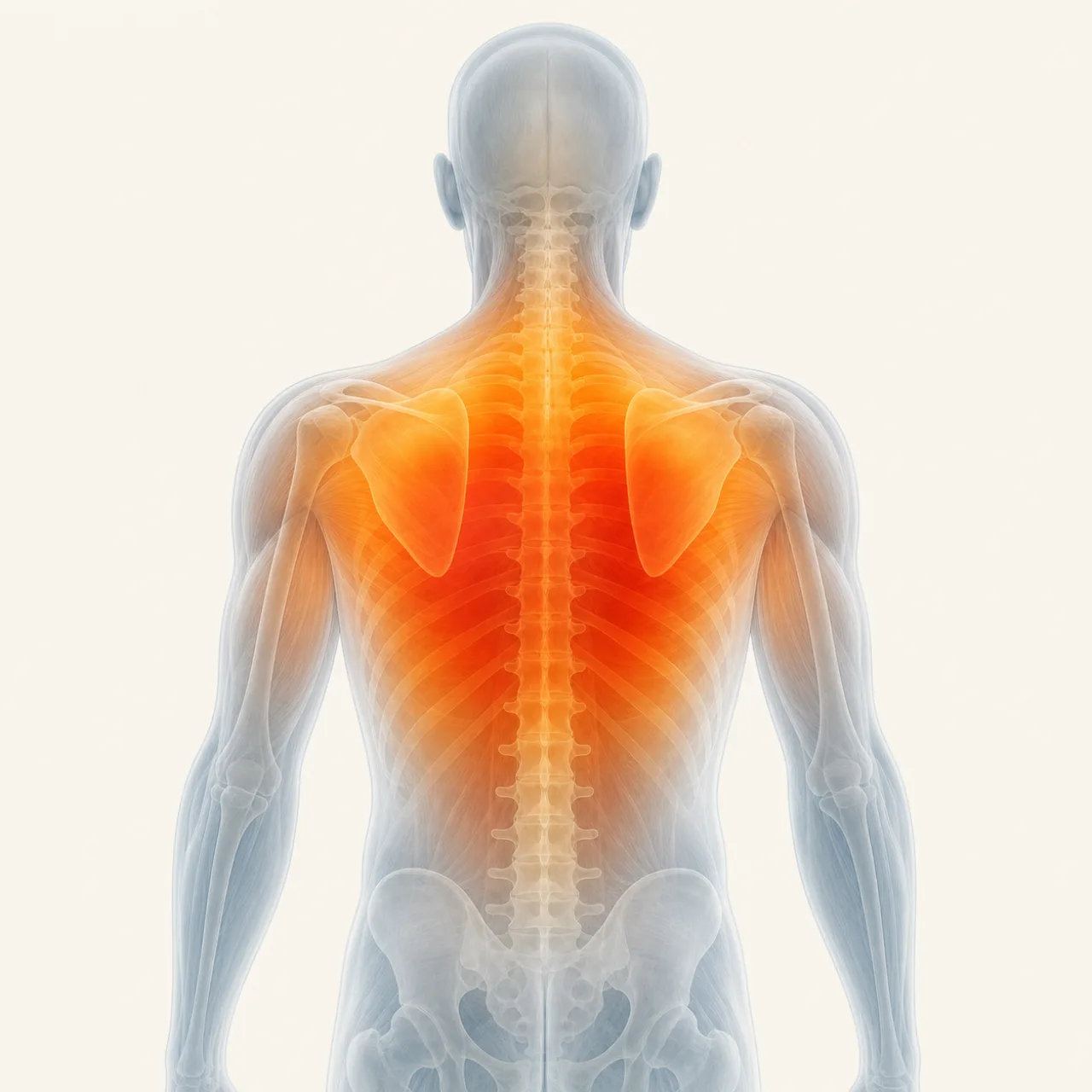
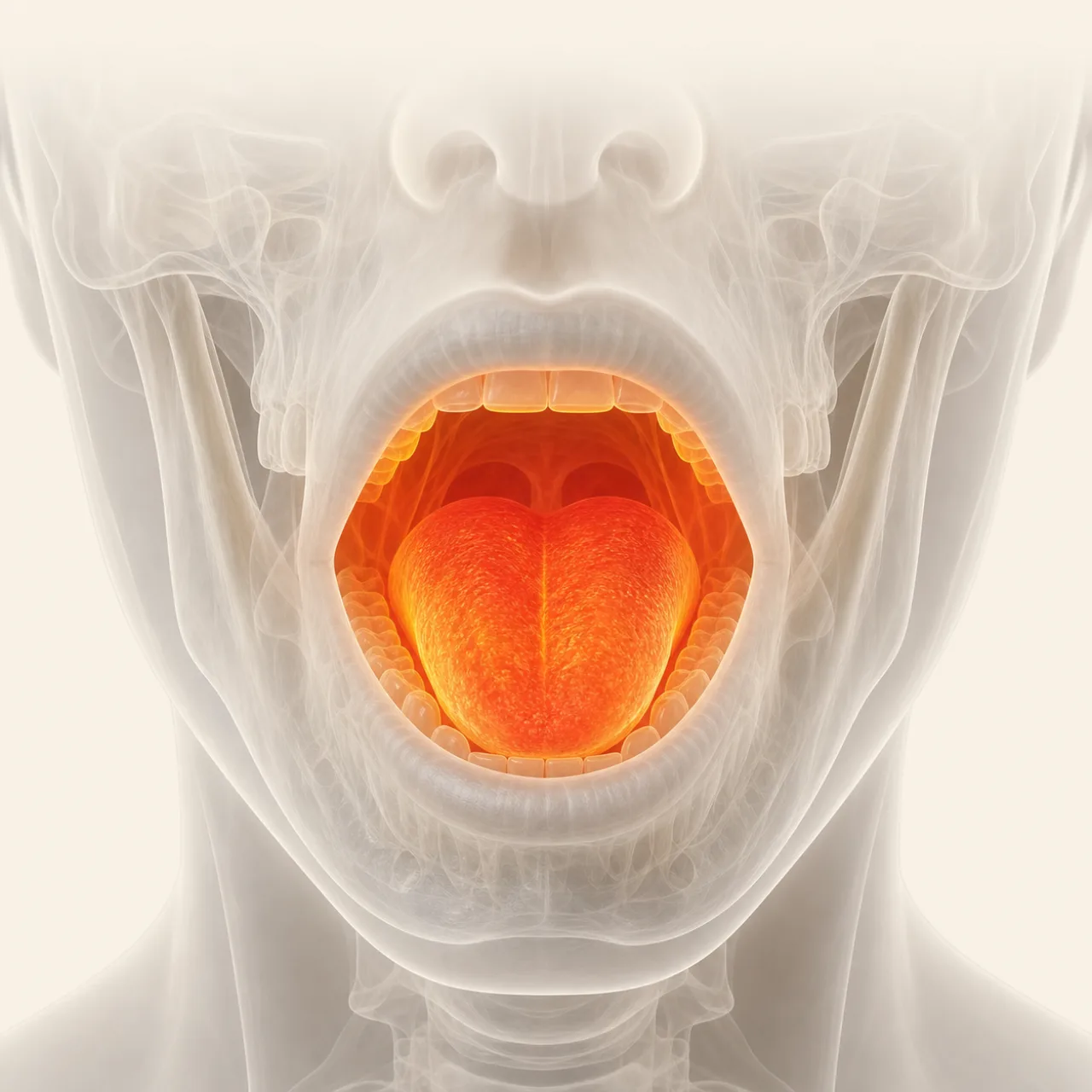
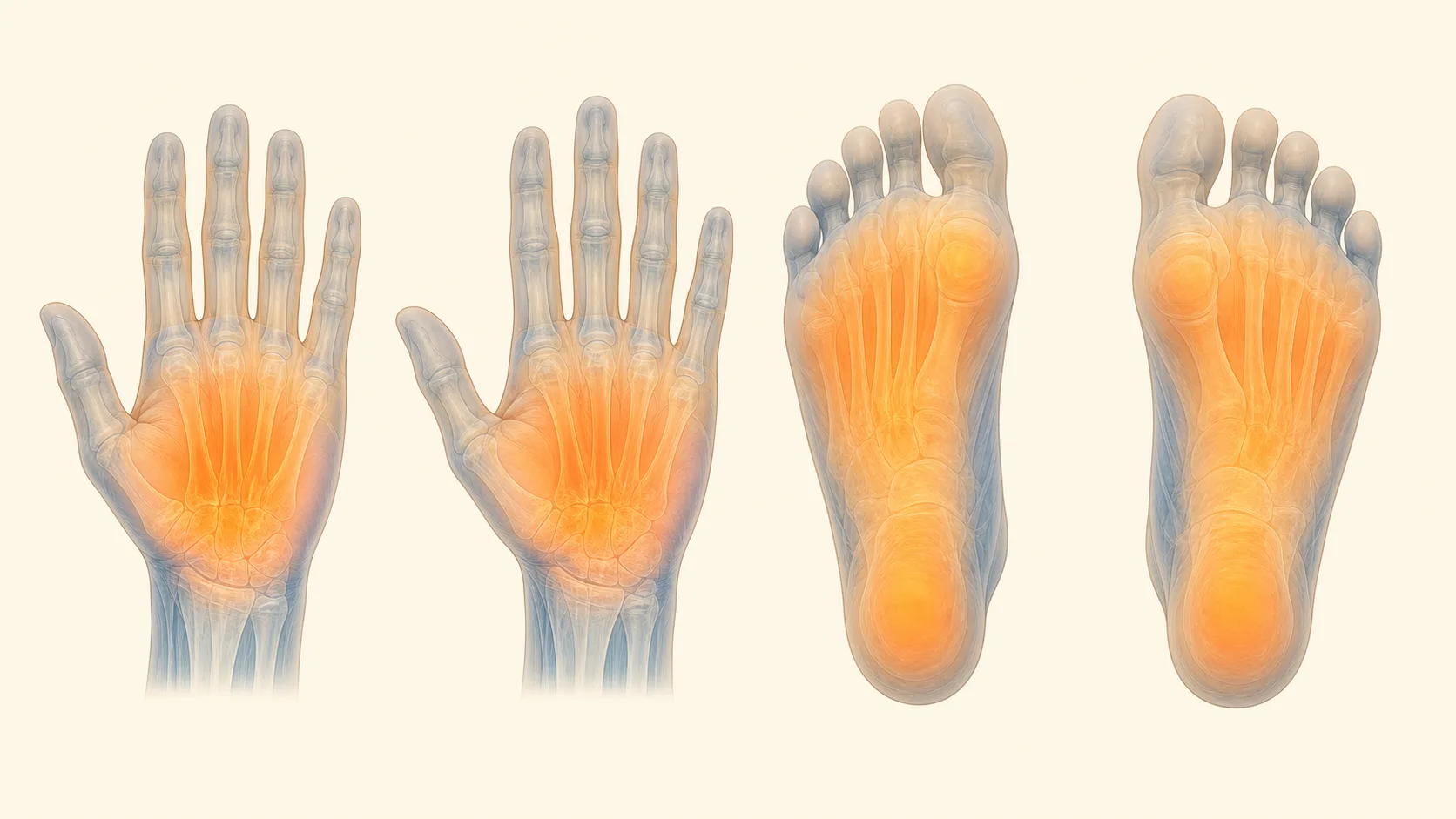
Sweating occurs on the chest and back after falling asleep, accompanied by heat in the hands and feet, dry mouth, and restless sleep. We focus on replenishing bodily fluids and calming deficiency heat.
Type where both energy (Qi) and bodily fluids are depleted (氣陰兩虛)
Severe exhaustion follows night sweats, and cold sweats, shortness of breath, and lethargy continue during the day. Rather than simply lowering heat, we reinforce both the energy and the materials needed for recovery.
Type where anxiety and poor digestion disrupt sleep (心脾兩虛)
Difficulty falling asleep due to overthinking, frequent dreaming, and sweating accompanied by decreased appetite and palpitations. We examine the recovery of both sleep and digestion.
Type where damp-heat remains internally (濕熱內鬱)
Sweat is sticky and has a strong odor, and the body feels heavy and bloated. We regulate the flow of digestion and bowel movements to help moisture and heat escape the body.
Common Misconceptions
Night sweats are always caused by weakness
Causes vary, including infections, thyroid issues, medication, and menopause, so a medical evaluation is the first priority if symptoms have newly started.
Sweating a lot means you had a deep sleep
If you wake up due to sweat and need to change your bedding, it is a symptom that interferes with recovery.
It can be solved by sleeping in a cool environment
Adjusting the indoor temperature helps, but if it recurs even in a cool room, the cause must be examined separately.
Points to verify even if symptoms seem similar
Environmental sweating
Check if the symptoms disappear by adjusting thick bedding and high indoor temperatures.
Menopausal Hot Flashes
Check for sudden heat and sweating followed by chills, and whether there are overlapping changes in menstruation.
Hyperthyroidism
Check if general sweating occurs along with palpitations, hand tremors, sensitivity to heat, and weight loss.
Sweating related to infection or systemic disease
If there is fever, persistent cough, diarrhea, weight loss, or severe weakness, an internal medicine evaluation is the priority.
How this is evaluated during a medical consultation
Record the room temperature, bedding, the date sweating began, the number of times pajamas or bedding had to be changed, and the time and area of waking for 1 to 2 weeks. Also note changes in weight, body temperature, cough, bowel movements, heart rate, and any newly started medications. After completing necessary diagnostic tests, we use pulse diagnosis, tongue diagnosis, and patient interviews to categorize the condition into fluid deficiency, energy depletion, recovery of sleep and digestion, or the presence of damp-heat.
Treatment progress is monitored not only by the amount of sweat but also by the number of times you wake up, the number of nights you slept without changing clothes, and changes in morning fatigue and daytime cold sweats.
Recovery markers that may change before the amount of sweat
Not all changes may appear on the same day after treatment. Even if the amount of sweat remains similar, compare sequentially whether you wake up less at night, whether the time to fall back asleep has shortened, or whether morning fatigue has decreased first.
- Nighttime recovery: We monitor the number of times you wake up due to sweat and the time it takes to fall back asleep.
- Clothing and bedding changes: Check if the number of nights you slept without changing clothes has increased.
- Next-day recovery: Record whether there are changes in the amount of time you needed to rest due to morning fatigue and daytime cold sweats.
This does not mean the sequence is the same for everyone. By recording the same items every week, it is easier to distinguish between parts that have improved and remaining discomforts to adjust the treatment direction. If you are unsure where to start recording night sweats and daytime sweats, how to categorize by the area and time of sweatingplease check this together.
Frequently Asked Questions about Dohan-jeung (Night Sweats)
What is the difference between sweating due to heat and Dohan-jeung?
If your clothes and bedding frequently become wet and you wake up from sleep, even when it is not due to thick blankets or a hot room, it is recommended to record this as night sweats to identify the cause.
If night sweats persist even after tests, is herbal medicine treatment considered?
After ruling out dangerous systemic causes, if the symptoms recur along with sleep issues, heat sensations, and fatigue, we can consult by examining the recovery patterns of deficiency heat, body fluids, and energy.
From the perspective of heat and cold, this is viewed as a process where the causes of heat accumulation build up.
- Accumulation of causes that lead to heat concentration
- The body's regulatory functions cannot keep up
- This is seen as manifesting through symptoms such as upward heat or dryness
The process of verification during medical evaluation
Now, we verify when and how your symptoms change
Since the way discomfort manifests can differ even within the same diagnosis, we review existing test results alongside the progression of symptoms.
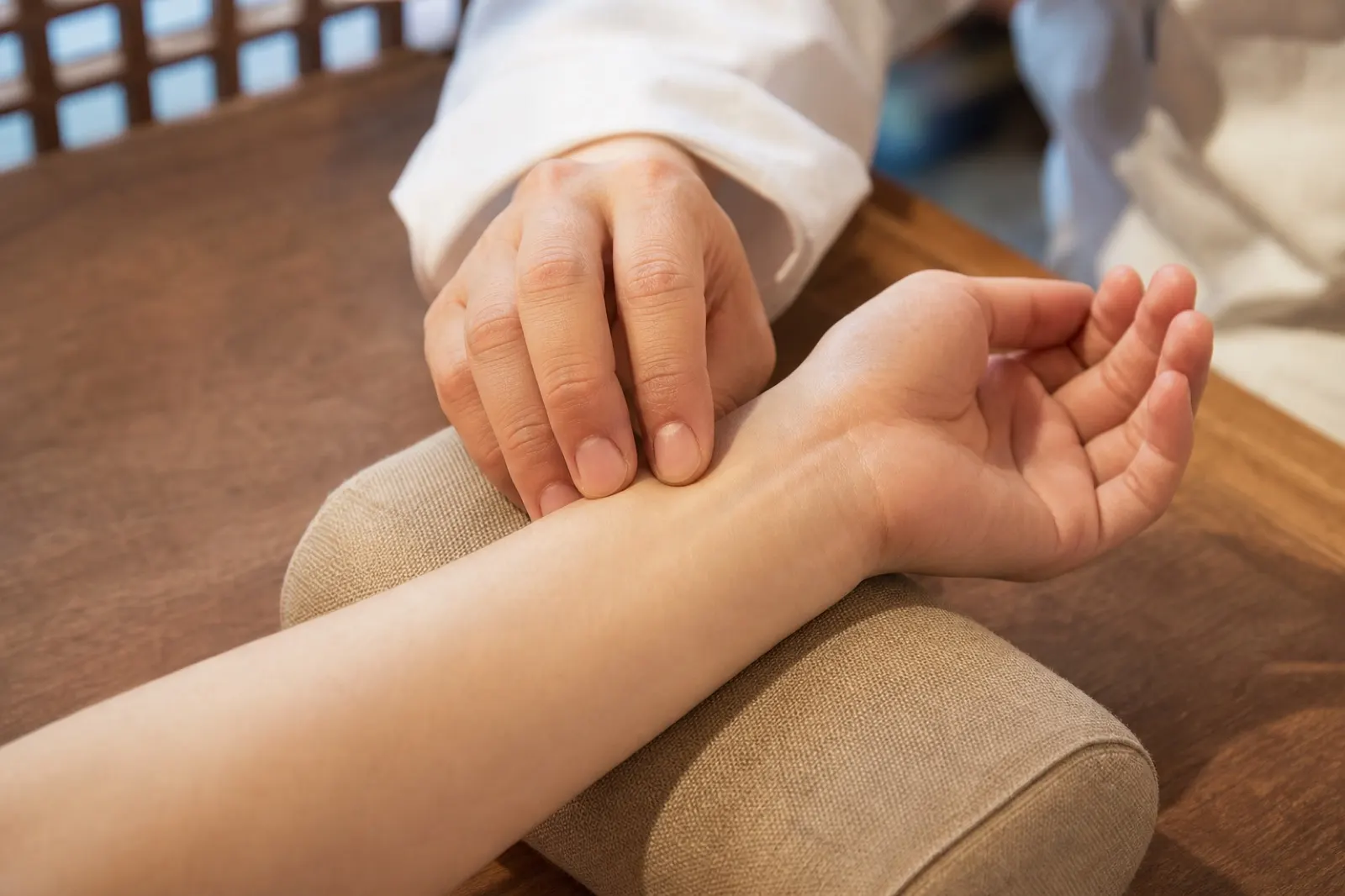
Pattern Identification (Byeon-jeung)
Symptoms are verified in detail through pulse diagnosis and medical interview
We use pulse diagnosis and patient interviews to identify heat syndrome tendencies and accompanying patterns, then explain the approach best suited to your current condition.
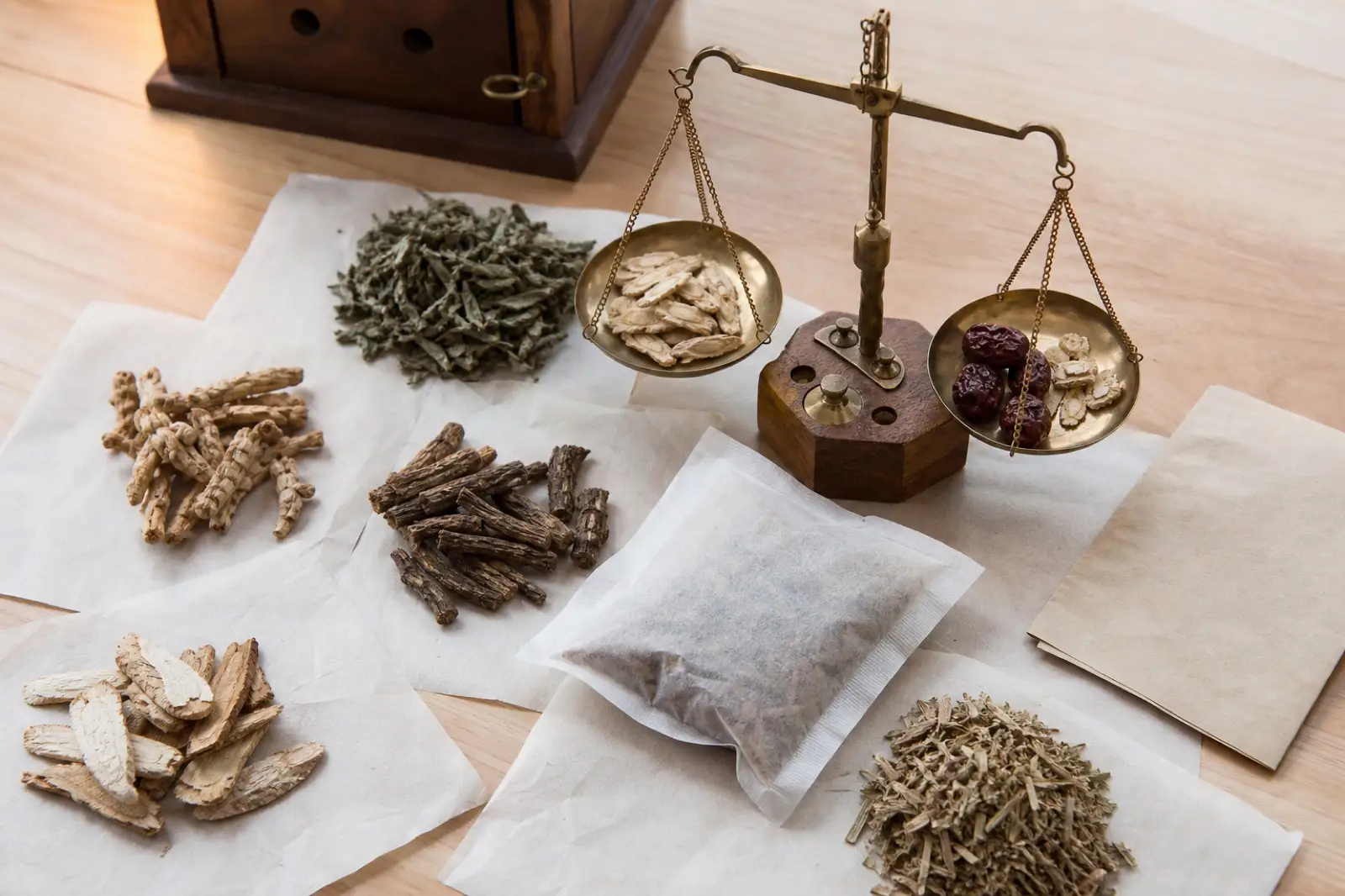
The prescription direction is determined, and changes after administration are verified
Based on the findings from the medical interview and examination, the prescription direction is explained, and the same director oversees everything from preparation to the changes after administration.
 Medical and Content Review
 Baekrokdam's medical standards
Dohan-jeung and night sweats: we listen to the progress before the name
We check the timing and area where the feeling of heat begins, along with changes in sweating, thirst, sleep, and nervousness. Even with the same diagnosis, the way the body produces and distributes heat varies; therefore, the categories identified through pulse, tongue, and patient interviews are linked to the Korean herbal medicine prescription and progress monitoring.
"For discomfort that cannot be explained by test results alone, we trace back through the symptoms starting from when they first began."
- Graduated from Kyung Hee University College of Korean Medicine
- Chief Director of Baekrokdam Korean Medicine Clinic
Before Your Consultation
Please make a note of the time when heat rises, its relationship with meals, sleep, and nervousness, as well as any recent tests and medications you are taking.
During Your First Visit
Rather than concluding with a single symptom name, we categorize the onset, aggravating factors, and accompanying symptoms based on the patterns of cold and heat.
Once Treatment Begins
Prescriptions are adjusted based not only on the intensity of discomfort but also on the frequency, recovery time, and changes observed in your daily life.